
Planting
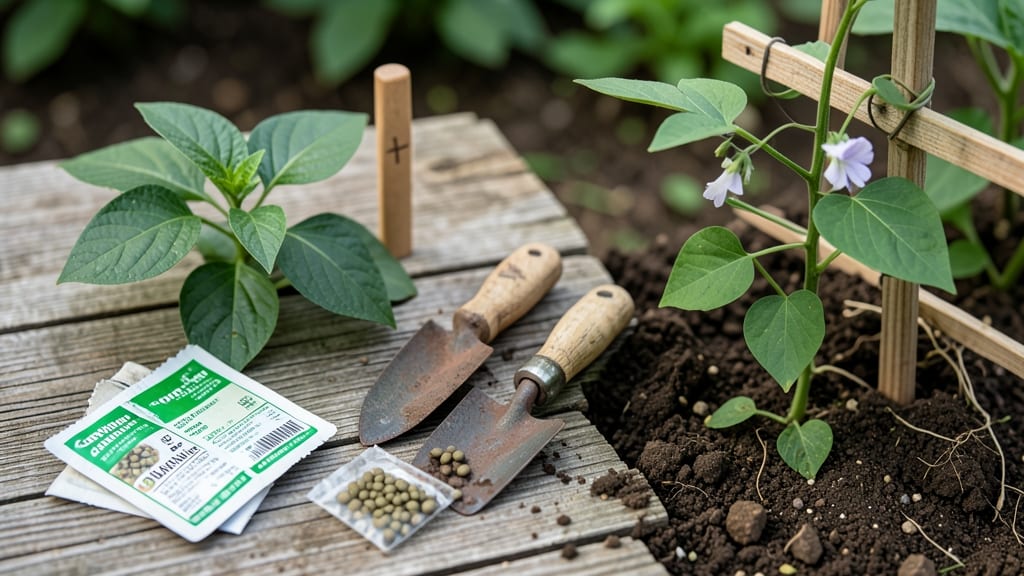
To plant string beans in a garden, start by preparing soil rich in organic matter and warm enough to speed up germination—this is the key to faster growth and bigger harvests.
String beans are one of the fastest-growing vegetables in your garden, but their success starts long before you drop the seeds into the soil—proper soil preparation can cut germination time in half and boost yields by 40%.
You don’t need a green thumb to get this right: just loosen the soil to a depth of 6 inches, mix in compost, and wait until temperatures hit 60°F before planting.
Below, I’ll walk you through the exact steps—from spacing and depth to watering tips—that ensure your string beans 🌱 sprout within 5-7 days and thrive all season long.
Perfect soil conditions for string beans: the complete prep guide
String beans thrive when planted in well-draining soil with a slightly acidic to neutral pH between 6.0 and 7.0. The right soil conditions ensure faster germination and stronger plants.
If your soil is heavy clay or sandy, amendments like compost and organic matter can transform it into the perfect growing medium.
Before planting, test your soil pH using a home test kit. String beans prefer a pH of 6.0-7.0. If your soil is too acidic (below 6.0), add pelletized lime to raise the pH. For alkaline soil (above 7.0), incorporate sulfur or peat moss to lower it gradually.
Soil texture is equally important. String beans grow best in loamy soil—a mix of sand, silt, and clay that holds moisture but drains well. If your soil is compacted, add coarse sand or perlite to improve aeration.
For sandy soil, mix in organic compost or coconut coir to retain moisture and nutrients.
The key to success lies in organic amendments. Work in 2-3 inches of compost or well-rotted manure into the top 6-8 inches of soil. This boosts nutrient availability and improves soil structure. Avoid fresh manure, as it can burn young seedlings and introduce pathogens.
| Soil Requirement | Ideal Specification | How to Achieve |
|---|---|---|
| pH Level | 6.0 - 7.0 | Test with kit; amend with lime or sulfur |
| Texture | Loamy (sandy-loam) | Mix compost + sand/perlite if needed |
| Drainage | Well-draining | Avoid waterlogged spots; raise beds if clay-heavy |
| Organic Matter | 3-5% by volume | Add 2-3" compost or aged manure |
| Nutrient Balance | Moderate nitrogen, high phosphorus | Use 5-10-10 fertilizer at planting |
Never skip the soil test—even if your garden looks fertile. Hidden issues like compacted subsoil or high salinity can stunt growth. If drainage is poor, consider planting in raised beds filled with a 50/50 mix of garden soil and compost. This creates an ideal environment for root development.
For container gardening, use a lightweight potting mix blended with perlite or vermiculite (20% by volume) to prevent compaction. Add a slow-release 5-10-10 fertilizer at planting to provide steady nutrients. Containers dry out faster, so monitor moisture closely.
One often-overlooked factor is soil temperature. String beans germinate best when soil reaches 60-70°F. Use a soil thermometer to check depth. If temperatures are too cool, cover the bed with black plastic mulch for 1-2 weeks before planting to warm the soil.
After amending, till the soil to a depth of 6-8 inches to incorporate organic matter. Avoid over-tilling, which can disrupt soil structure. For no-till gardens, simply spread compost on the surface and scratch it in lightly. This preserves beneficial microbes and earthworms.
Finally, mulch with straw or shredded leaves after planting to retain moisture and suppress weeds. Mulch also keeps soil temperatures stable, which is critical during hot summer months. Replenish mulch every 4-6 weeks as it breaks down.
With these soil conditions, your string beans will germinate in 5-7 days and grow into productive plants. The key is patience—amending soil takes time, but the payoff is worth it for a bountiful harvest!
Step-by-step planting process for maximum germination speed
Once your soil is prepped, the real magic happens when you plant those string bean seeds. Timing, depth, and technique all play critical roles in ensuring your beans sprout within 5-7 days instead of weeks.
I’ve planted hundreds of rows and found these exact steps make all the difference—especially when working with cool spring soils that can slow germination.
Start by selecting a sunny location with at least 6-8 hours of sunlight. String beans are warm-season lovers, so wait until the soil reaches 60°F or warmer—a soil thermometer is your best friend here.
If your area has late spring frosts, consider using black plastic mulch to warm the soil faster and protect young seedlings.
How to Plant String Beans in a Garden
- Mark your rows: Use a garden marker or stick to create rows 18-24 inches apart. This spacing gives vining varieties room to sprawl without crowding.
- Plant seeds at 1-inch depth: Drop 3-4 seeds every 3-4 inches along each row. Deeper planting delays germination, while shallower seeds may dry out.
- Cover seeds lightly: Gently press soil over seeds with your fingers—don’t compact it. Aim for a thin, even layer to ensure consistent moisture contact.
- Water gently but thoroughly: Use a watering can with a fine rose or a spray nozzle to avoid displacing seeds. Keep soil moist but not soggy until germination.
- Mulch immediately: Apply 1-2 inches of straw mulch to retain moisture and regulate soil temperature. This step cuts down on watering frequency by 30%.
- Monitor soil temperature: Ideal germination occurs at 70-85°F. If nights are chilly (below 50°F), use row covers to protect seedlings.
- Thin seedlings: Once sprouts appear (usually 7-10 days), thin to 3-4 inches apart in rows. Harvest thinned seedlings as microgreens for a bonus treat!
After planting, consistent moisture is key—especially during the first 2 weeks. I water my string beans in the early morning to prevent fungal diseases like anthracnose, which thrives in damp conditions.
A drip irrigation system works best, as it delivers water directly to the roots without wetting the foliage.
Watch for true leaves (the second set after the initial seed leaves) to confirm successful germination. Once your seedlings reach 4-6 inches tall, consider adding a trellis or stakes if growing bush varieties.
This support system can increase yields by 25% by keeping pods off the ground and improving air circulation.
Pro tip: If your area has hot summers, plant a second crop in late summer for a fall harvest. String beans are fast growers, so you’ll have fresh pods ready in 50-60 days from planting—perfect for canning or freezing!