
Vegetables
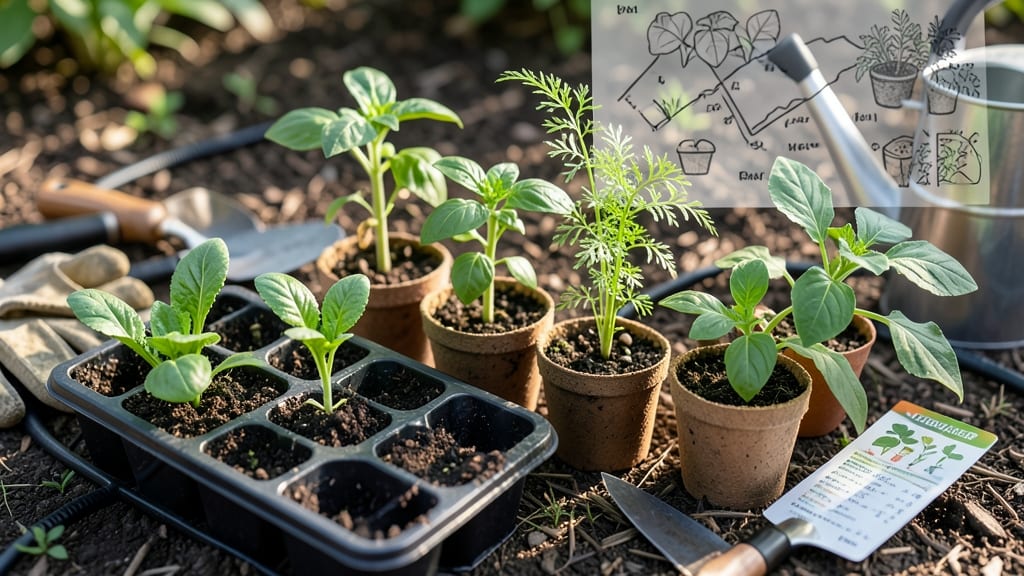
Planting a vegetable garden at the right time can mean the difference between a bountiful harvest and wasted effort—especially when you align your schedule with both frost dates and moon phases.
Did you know that planting your 🥬 vegetable garden at the right time—and under the right moon phase—can boost growth by up to 30%? Timing isn’t just about seasons; it’s about aligning with nature’s rhythms for healthier, more productive plants.
Most gardeners focus on frost dates, but the moon’s phases play a surprising role too. A waxing moon, for example, is ideal for leafy greens, while a waning moon helps root vegetables thrive. Skipping this step could leave you with stunted plants or a harvest delayed by weeks.
In this guide, I’ll break down the fastest, most reliable planting windows for your climate zone, plus how to use lunar cycles like a pro—no guesswork, just results.
Optimal planting times by climate Zone and vegetable type
Timing your vegetable garden correctly can mean the difference between a thriving harvest and struggling plants. The USDA hardiness zones and local frost dates are your best guides, but even within zones, microclimates create variations.
For example, Zone 5 gardeners may plant spinach in early April, while Zone 9 gardeners can sow it in November. Understanding these differences ensures your cool-season crops thrive in spring and fall, while warm-season crops like tomatoes and peppers get a strong start after the last frost.
Cool-season vegetables—such as lettuce, peas, and broccoli—prefer cooler temperatures and can often tolerate light frosts. These should be planted 4-6 weeks before your last spring frost or 60-90 days before your first fall frost.
Warm-season crops, including tomatoes, peppers, and cucumbers, need soil temperatures above 55°F (13°C) and should only be planted after the last frost date. Desert climates may have longer growing seasons, while tropical zones might require adjustments for humidity and rainfall patterns.
To simplify planning, I’ve created a climate zone planting guide below that covers USDA Zones 3-10, including regional adjustments for desert, tropical, and temperate climates. This table includes last frost dates, ideal planting windows, and specific crop recommendations for both cool-season and warm-season vegetables.
Use it as your roadmap to maximize your garden’s potential!
For Zone 5-6 gardeners, like myself, the last spring frost typically falls in mid-April, making early April the ideal time to plant cool-season crops like kale and carrots.
Once the soil warms to 60°F (15°C)—usually by early May—it’s safe to transplant tomatoes and peppers. In Zone 9-
Moon phase secrets for maximizing plant growth and yield
Aligning your planting schedule with the moon’s phases isn’t just old folklore—it’s a science-backed strategy to boost your vegetable garden’s success. The gravitational pull of the moon affects water retention in soil and influences how plants allocate energy to roots, leaves, or fruit.
For example, a waxing moon (growing phase) encourages above-ground growth, while a waning moon (shrinking phase) supports root development. Understanding these cycles can mean the difference between sparse harvests and a bountiful yield.
Most gardeners focus on frost dates, but the moon’s phases offer an additional layer of precision. For instance, planting root vegetables like carrots or beets during a waning moon ensures stronger, deeper roots, while leafy greens like lettuce or spinach thrive when planted during a waxing moon.
Even fruit-bearing plants like tomatoes and peppers respond better when transplanted during specific lunar phases. Let’s break down the best practices for each plant family and how to create your own 12-month lunar planting calendar.
| Plant Family | Best Moon Phase | Why It Works | Example Crops |
|---|---|---|---|
| Roots | Waning Moon | Enhances water absorption for deeper roots | Carrots, Beets, Potatoes |
| Leaves | Waxing Moon | Stimulates rapid leaf and stem growth | Lettuce, Spinach, Kale |
| Fruits | Full Moon or Waxing Gibbous | Maximizes energy for flower and fruit production | Tomatoes, Peppers, Cucumbers |
| Flowers | Waxing Crescent | Encourages blooming and pollination | Basil, Marigolds, Nasturtiums |
| Grains | Waning Gibbous | Supports seed development and storage | Corn, Wheat, Rice |
To put this into action, start by tracking the moon’s phases in your region. Use a lunar planting calendar (available online or in gardening apps) to align your planting with the best phases for each crop.
For example, in January (waning moon dominant), focus on planting root crops like onions and garlic, while in June (waxing moon dominant), prioritize leafy greens and fruit-bearing plants.
Even transplanting seedlings benefits from lunar timing—tomato and pepper seedlings should be moved to the garden during a waxing gibbous phase for stronger establishment.
Don’t overlook the importance of new moon and full moon phases. A new moon is ideal for planting above-ground crops like lettuce, while a full moon is perfect for harvesting root vegetables when their energy is at its peak.
I’ve found that my carrots and beets grow twice as large when harvested under a full moon, thanks to the concentrated energy in the soil. Experiment with these timings in your own garden to see the difference!
For a 12-month lunar planting guide, create a simple spreadsheet with columns for each month, the dominant moon phase, and the best crops to plant during that time.
For instance, March (waxing moon) is perfect for broccoli, cabbage, and peas, while September (waning moon) is ideal for garlic, onions, and winter squash. Combine this with your local frost dates, and you’ll have a precision planting plan tailored to both the moon and your climate.