
Size
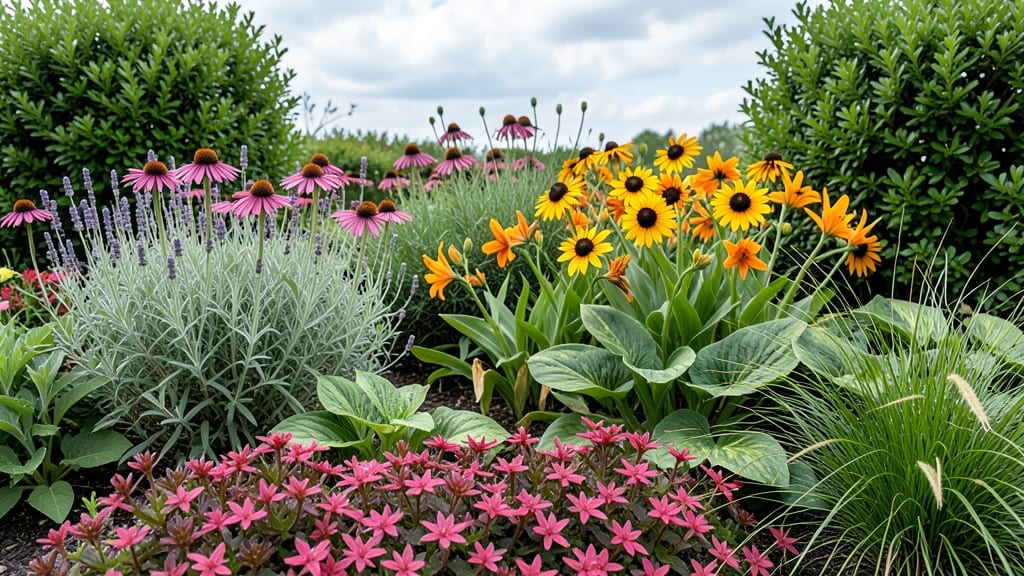
The average size of a garden varies widely—from 100 to 400 square feet for compact urban spaces, 500 to 1,500 square feet for suburban yards, and 2,000+ square feet for rural or large estate gardens, all shaped by available space, plant types, and whether you're growing food, flowers, or ornamental plants.
Garden size isn't just about square footage—it directly impacts what you can grow and how you arrange it. 🌱 A 100-square-foot urban plot might work for herbs, dwarf vegetables, or container plants, while a 1,500-square-foot suburban yard allows room for raised beds, fruit trees, and diverse flower beds.
Larger gardens let you experiment with full-size plants, permaculture designs, and even small orchards, but even small spaces can thrive with vertical gardening or intensive planting techniques. The key is matching your garden's dimensions to your goals, whether that's fresh herbs, a vegetable harvest, or a colorful landscape.
For example, a 500-square-foot garden could easily support a mix of tomatoes, peppers, and leafy greens, while a 2,000-square-foot plot might include berry bushes, a small vineyard, or a dedicated flower border.
Urban gardeners often maximize space with tiered planters or hanging gardens, while rural homeowners might dedicate sections to specific crops or even livestock-friendly borders. The right size ensures you're not overcrowding plants or leaving valuable space unused.
💡 In This Article
- How Garden Size Affects Plant Selection and Layout
- Ideal Garden Dimensions for Common Home Types
How garden size affects plant selection and layout
Garden size fundamentally dictates what you can grow and how efficiently. A 100-square-foot urban garden forces you to prioritize compact varieties—think cherry tomatoes, bush beans, or dwarf basil—while leaving no room for sprawling crops like pumpkins or corn.
The rule of thumb is that smaller spaces require high-yield, space-efficient plants that maximize production per square foot.
For example, a single 10-foot row of zucchini can produce 10-15 plants, but in a 200-square-foot plot, you'd need to dedicate an entire 20% of your space to just one crop, leaving little room for diversity.
Sunlight exposure becomes another critical factor tied to size. In a 500-square-foot suburban garden, you can strategically place taller plants like sunflowers or trellised cucumbers on the north side to avoid shading shorter crops.
However, in a 1,000-square-foot plot, you gain flexibility to create dedicated "sun zones"—full sun for tomatoes, partial shade for lettuce, and dappled light for ferns.
Larger gardens also allow for crop rotation systems, where you divide the space into sections to prevent soil depletion, while tiny urban plots often rely on container gardening with individual pots that can be moved seasonally.
Vertical gardening transforms limitations into opportunities. A 200-square-foot balcony garden might support 50+ plants using wall-mounted planters, trellises, and hanging baskets—think pole beans climbing 6 feet high or strawberries cascading from tiered shelves.
This technique isn't just for small spaces; even 2,000-square-foot gardens benefit from vertical elements to train vining plants like peas or grapes, freeing up ground space for root crops. The science here is straightforward: maximizing vertical space increases plant density by 30-50% without sacrificing sunlight or soil quality.
Plant diversity suffers in tight spaces. A 300-square-foot garden might comfortably grow 10-15 different plant types, but a 100-square-foot plot could struggle with just 3-5. This forces gardeners to choose multi-purpose plants like Swiss chard (edible stems, leaves, and stalks) or herbs that double as culinary and medicinal uses.
Larger gardens, however, let you experiment with specialty crops like artichokes or asparagus, which require 3-5 years to mature and 10+ square feet per plant. The trade-off? More space means more upfront planning but greater long-term rewards.
Layout strategies vary dramatically by size. In a 400-square-foot urban garden, you'll likely use square-foot gardening, where each square foot is allocated to specific plants based on their spacing needs (e.g., 16 carrots per square foot, 1 tomato per square foot).
Suburban gardens often adopt raised bed systems (typically 4x8 feet beds) that improve soil drainage and reduce weeds. Meanwhile, 2,000-square-foot rural gardens might incorporate contour planting to prevent erosion or windbreaks to protect delicate crops, solutions that are impractical in smaller settings.
Consider this real-world example: A 500-square-foot garden in a suburban yard could produce enough vegetables to feed a family of four for 6-8 months if optimized, while a 100-square-foot urban plot might yield just enough for 2-3 people for 3-4 months.
The difference lies in plant selection, spacing, and seasonal planning—not just raw square footage. 🌿