
How To
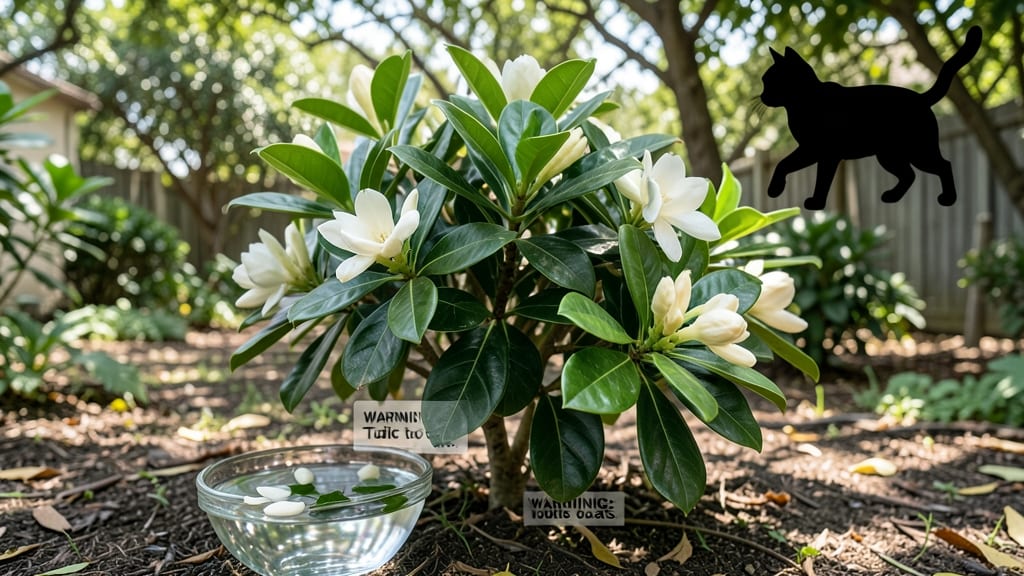
Gardenias are toxic to cats, containing theobromine and saponins that can cause vomiting, drooling, lethargy, or diarrhea if ingested. Immediate vet contact is advised if exposure occurs, as symptoms may escalate with higher doses.
Gardenias contain two dangerous compounds for cats: theobromine (also found in chocolate) and saponins, which irritate their digestive systems. 🐱 Even small amounts of leaves or petals can trigger symptoms within hours, and kittens or cats with pre-existing conditions are at higher risk.
The good news is that most cats avoid gardenias due to their strong scent, but curious pets might nibble if placed at ground level.
If you suspect your cat has ingested gardenia parts, don't wait for symptoms to appear. Theobromine builds up slowly in their system, so early intervention can prevent serious complications like tremors or heart issues. Always keep gardenias out of reach—even dried flowers in arrangements pose a risk.
💡 In This Article
- Toxic Compounds in Gardenias and Their Effects on Feline Health
- Safe Alternatives to Gardenias for Cat-Friendly Gardens
Toxic compounds in gardenias and their effects on feline health
Theobromine, a methylxanthine compound found in gardenias, works similarly to caffeine in cats. When ingested, it stimulates the central nervous system by blocking adenosine receptors, which normally promote relaxation.
This leads to increased heart rate and muscle tremors. 🔥 Gardenias contain about 0.1-0.2% theobromine by weight in their leaves and flowers—a concentration that, while lower than chocolate, still poses risks to cats due to their smaller body size and sensitive systems.
Saponins, the second toxic component, create a soapy texture when mixed with saliva, which cats find unappealing—but not always deterring enough. These compounds irritate the gastrointestinal lining, causing inflammation and triggering symptoms like excessive drooling and vomiting.
A single leaf (about 5 grams) can contain enough saponins to upset a 10-pound cat's stomach, while larger ingestions may lead to more severe reactions like lethargy or even seizures in extreme cases.
Cats are especially vulnerable because their livers metabolize theobromine three times slower than human livers do. This means the toxin lingers in their system for 24-48 hours, prolonging symptoms.
The strong floral scent of gardenias, while pleasant to humans, can actually attract curious cats—particularly those with a habit of nibbling plants. 💛 Unlike dogs, cats lack the enzymes to efficiently break down these compounds, making them more susceptible to toxicity even from small exposures.
Symptom severity depends on how much your cat ingests. A few petals might cause mild stomach upset, while consuming an entire flower or leaf could lead to more dangerous effects like rapid breathing or irregular heartbeat.
Theobromine's half-life in cats is approximately 18 hours, meaning it takes nearly two days for their bodies to eliminate half of the ingested dose. This prolonged exposure is why early vet intervention is critical—even if symptoms seem minor at first.
Interestingly, gardenias' toxicity varies by plant part. Leaves contain higher concentrations of both toxins than flowers, making them particularly dangerous.
The waxy coating on gardenia leaves also makes them more difficult for cats to digest, increasing the risk of intestinal blockages if large pieces are swallowed. 🌟 Always assume your cat is at risk if they've had access to any part of the plant, regardless of whether they show immediate symptoms.
If you notice your cat chewing on gardenia leaves or flowers, act fast. Inducing vomiting at home is risky without professional guidance, so contact your vet or a pet poison control hotline immediately.
Bring a sample of the plant (if possible) to help with accurate diagnosis, as symptoms can mimic other conditions like food poisoning or infections.