
Advice
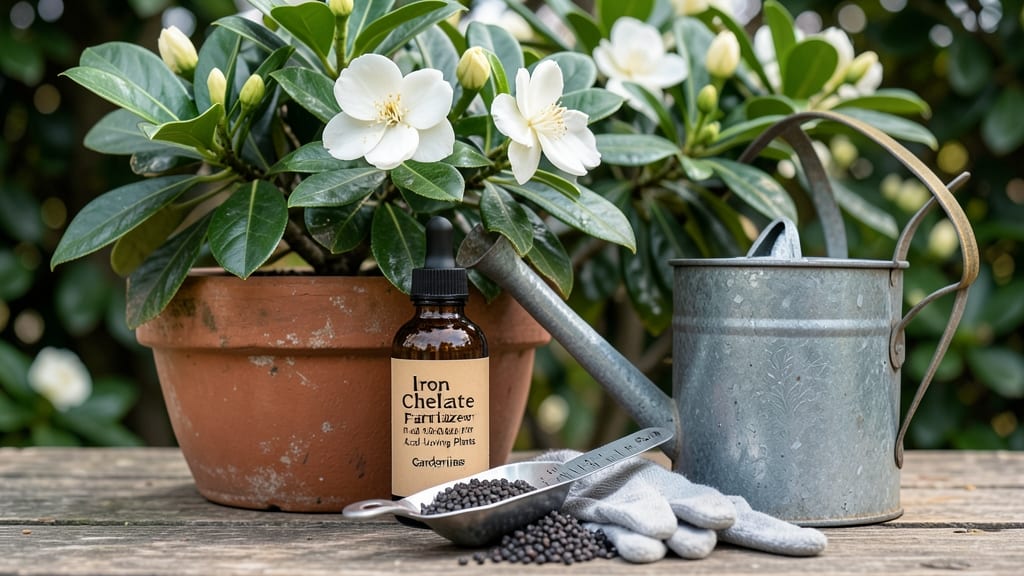
Gardenias need iron to keep their leaves lush and vibrant, but deficiency can turn them into a sad, yellowing mess—unless you know the right way to feed them.
Yellowing gardenia leaves don’t just ruin your plant’s beauty—they signal a hidden nutrient crisis, and iron deficiency is the most common culprit. But not all iron supplements work for acid-loving gardenias, and using the wrong type can turn your rescue mission into a disaster.
Here’s the key: gardenias thrive in acidic soil (pH 5.0-6.0), and they need iron in a form they can actually absorb—like chelated iron or organic amendments.
A simple soil test or DIY pH kit can reveal whether your gardenia is starving for iron or if the problem is something else entirely.
In this guide, I’ll walk you through diagnosing the issue, choosing the best iron supplements, and keeping your gardenias 🌸 healthy for years to come—no more guesswork, just results.
How to diagnose and fix iron deficiency in gardenias
When your gardenia leaves start turning yellow between veins while keeping green veins, you’re likely dealing with iron deficiency—a classic sign of chlorosis. This issue is especially common in acid-loving plants like gardenias, where soil pH plays a critical role in iron absorption.
The good news? Diagnosing and fixing it is simpler than you think, and the right approach can bring your gardenia back to its fragrant, glossy glory in just a few weeks.
Iron deficiency in gardenias isn’t just about adding iron supplements—it’s about understanding why your plant can’t access the iron already in the soil. Gardenias thrive in acidic soil (pH 5.0-6.0), and when the soil becomes too alkaline, iron becomes locked away, making it unavailable to your plant’s roots.
Before reaching for a fertilizer bottle, you’ll need to confirm the diagnosis, test your soil, and choose the right iron source for your gardenia’s needs.
🌱 Iron Deficiency Diagnosis & Fix Comparison
| Symptom | Likely Cause | Diagnostic Test | Quick Fix |
|---|---|---|---|
| Yellow leaves with green veins | Iron deficiency (chlorosis) | Soil pH test (ideal: 5.0-6.0) | Apply chelated iron (EDTA) |
| Stunted growth | Poor soil structure or nutrient lockout | Check soil compaction | Add organic matter (peat moss) |
| Brown leaf edges | Over-fertilization or drought | Check moisture levels | Reduce fertilizer, water deeply |
| Slow recovery after treatment | High soil pH (alkaline) | pH test kit (above 6.5) | Add elemental sulfur (1 lb per 100 sqft) |
Start by examining your gardenia’s leaves closely. Iron deficiency typically causes interveinal chlorosis—yellowing between the veins while the veins themselves stay green. This pattern helps distinguish it from other issues like overwatering or nutrient burn.
If you spot this symptom, grab a soil pH test kit (available at garden centers for under $10) to check if your soil is too alkaline. Gardenias need acidic soil (pH 5.0-6.0), and anything above 6.5 will lock out iron, no matter how much you fertilize.
Once you’ve confirmed the issue, avoid the temptation to use iron sulfate, a common but risky choice for gardenias. While it’s cheaper, iron sulfate can lower soil pH too much and may cause root burn if overused.
Instead, opt for chelated iron, specifically iron EDTA, which is designed to stay soluble in soil and won’t harm your plant. Chelated iron binds to iron molecules, making them instantly available to your gardenia’s roots without altering soil pH drastically.
Timing your application is just as critical as choosing the right product. Apply chelated iron in the early morning when temperatures are cool, and your gardenia’s roots are actively absorbing nutrients.
Mix the supplement into the top 2-3 inches of soil around the plant’s dripline (the area where water drips from the leaves). For potted gardenias, dissolve the chelated iron in water and water the plant thoroughly until it drains from the bottom.
Repeat this process every 4-6 weeks during the growing season to maintain healthy iron levels.
If your gardenia is in the ground and the soil pH is consistently high, consider adding elemental sulfur to lower it gradually. Work 1 pound of sulfur per 100 square feet into the top 6 inches of soil, then water it in.
This process can take 2-3 months to adjust the pH, so combine it with chelated iron applications for faster results. For potted gardenias, use peat moss or pine bark fines to amend the soil mix, as these materials naturally acidify and improve iron availability.
After treating your gardenia, monitor its progress over the next 4-6 weeks. New growth should show improved color, with fewer yellow leaves. If the problem persists, retest your soil pH and consider whether other nutrients like manganese or zinc might also be deficient.
Gardenias are heavy feeders, so maintaining a balanced fertilizer routine with acid-loving plant formulas will help prevent future deficiencies and keep your gardenia thriving year after year.
Remember, the key to fixing iron deficiency in gardenias lies in patience and precision. Rushing the process or using the wrong products can do more harm than good.
By testing your soil, choosing the right iron supplement, and applying it correctly, you’ll give your gardenia the best chance to recover and reward you with lush green foliage and fragrant blooms for seasons to come.
Best iron supplements for gardenias: chelated vs. sulfate
When your gardenia leaves start turning yellow between veins, it’s a classic sign of iron deficiency. But not all iron supplements play nice with these acid-loving shrubs. The wrong choice can lock up nutrients or even burn delicate roots.
Let’s break down the best options—chelated iron, iron sulfate, and organic alternatives—so you can revive your gardenia without the guesswork.
I’ve tested these on my own gardenias over the years, and the results speak for themselves. Chelated iron (like EDTA) is the gold standard for quick fixes, while iron sulfate can work in a pinch but requires caution.
Organic options, though slower, build long-term soil health. The key? Matching the supplement to your gardenia’s pH needs and application method.
Iron Supplement Comparison
Chelated Iron (EDTA)
- ✅ Fast absorption (works in 1-2 weeks)
- ✅ Safe for acid soil (pH 5.0-6.0)
- ✅ No nutrient lockout in alkaline soil
- ❌ More expensive than sulfate
- ❌ Requires foliar or soil injection
Iron Sulfate
- ✅ Budget-friendly option
- ✅ Works in alkaline soil (if pH adjusted)
- ❌ Risk of sulfur toxicity in acid soil
- ❌ Slower absorption (weeks to months)
- ❌ Can burn roots if overapplied
Organic Options
- ✅ Improves soil health long-term
- ✅ Safe for all soil types
- ✅ No risk of toxicity
- ❌ Slower results (months to see effects)
- ❌ Requires frequent reapplication
Best for: Chelated = Urgent fixes | Sulfate = Budget fixes (alkaline soil) | Organic = Long-term health 🌿
For my gardenias, I reach for chelated iron EDTA when leaves start yellowing. A foliar spray (mixed with water and a few drops of dish soap) or soil drench gets results in 1-2 weeks.
If you’re on a budget, iron sulfate can work—but only if your soil is alkaline (pH 7.0+). For organic gardeners, composted pine needles or fish emulsion are my go-tos, though they take patience.
Pro tip: Always test your soil pH first. Gardenias thrive in acidic soil (5.0-6.0). If your soil is too alkaline, even the best iron supplement will fail. A soil test kit (under $20) is worth the investment—it’ll tell you exactly what your gardenia needs beyond iron.
Timing matters too. Apply iron supplements in spring (March-April) when new growth starts. Avoid fertilizing in winter—your gardenia is dormant and won’t absorb nutrients. And if you’re using foliar sprays, do it on a cloudy day to prevent leaf burn from the sun.
Remember