
Pests
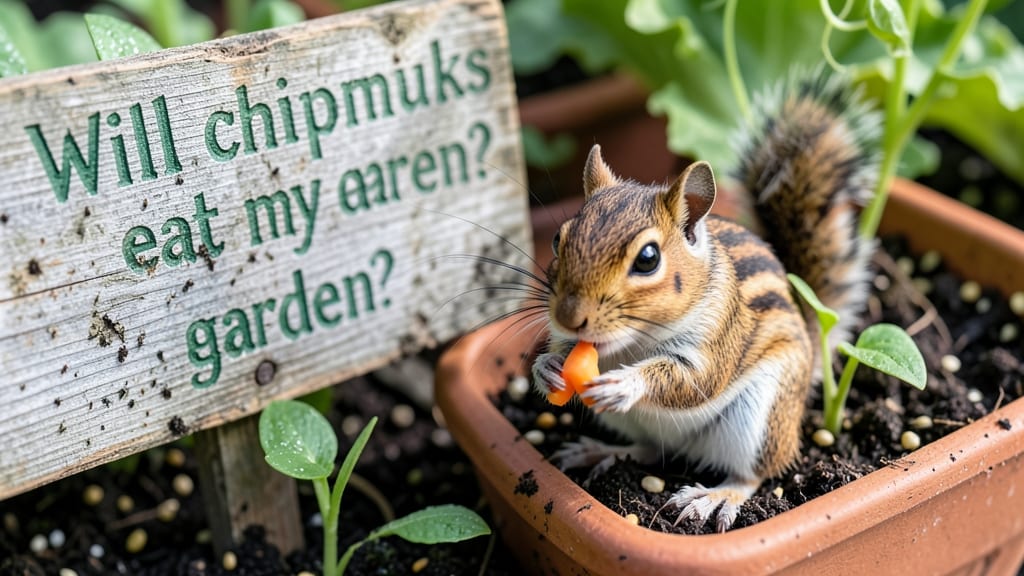
Yes, chipmunks will eat your garden, targeting seeds, bulbs, fruits, and vegetables like lettuce, beans, and tomatoes. Their foraging habits make them persistent pests, especially in early spring and fall when food is scarce. Natural deterrents can help protect your plants without harming these small rodents.
Chipmunks are opportunistic eaters with a particular fondness for tender young plants and easy-to-digest foods. 🌱 They'll dig up bulbs like tulips and daffodils, strip leaves from lettuce and beans, and even nibble on ripe fruits like strawberries and tomatoes.
The key to protecting your garden lies in understanding their seasonal patterns—spring and fall are their most active foraging times, when natural food sources are scarce.
Unlike squirrels, which focus on nuts, or rabbits, which prefer grass, chipmunks target a wider variety of plants, making them particularly troublesome for vegetable gardens.
While they may seem harmless, their digging and nibbling can quickly turn a thriving garden into a chewed-up mess. The good news? You don't need harsh chemicals to keep them away.
Simple solutions like planting chipmunk-resistant varieties, using natural repellents, or creating physical barriers can make a big difference without harming these small but important ecosystem players.
💡 In This Article
- Chipmunk Diet: What Plants They Love Most
- Natural Ways to Keep Chipmunks Out of Your Garden
Chipmunk diet: what plants they love most
Chipmunks are primarily seed-eaters, but their diet expands dramatically when natural food sources are scarce.
Their tiny, sharp teeth are perfect for cracking open seeds—especially those from sunflower, corn, and squash—but they also have a weakness for soft, water-rich plants. 🌱 Young lettuce, spinach, and bean sprouts are like all-you-can-eat buffets to them, while ripe fruits like strawberries and tomatoes become easy snacks once they ripen.
Unlike squirrels, which hoard nuts for winter, chipmunks consume their finds immediately, making them more destructive in active growing seasons.
Their foraging behavior is driven by seasonal food availability. In early spring, when bulbs like tulips and daffodils begin to sprout, chipmunks will dig up entire clumps to access the tender roots.
Studies show they can move 15-20 feet of soil per hour when searching for buried treats, leaving behind unsightly mounds and damaged plants.
During summer, they shift to fruits and vegetables, often targeting low-growing crops like peas and radishes, while fall becomes a frenzy as they prepare for winter by stockpiling seeds in underground caches—some containing 10,000+ seeds per burrow.
What sets chipmunks apart from other garden pests is their dual strategy: they both eat and store food. While rabbits focus on grazing and squirrels on nuts, chipmunks combine digging (for bulbs/seeds) with surface foraging (for fruits/vegetables).
This makes them particularly troublesome in mixed gardens where multiple plant types grow close together. Their small size—about 8-11 inches long—allows them to access tight spaces where larger animals can't reach, like between tomato plants or under low-hanging lettuce leaves.
Understanding their preferences helps with prevention. Chipmunks avoid strong-smelling plants like marigolds, onions, and garlic, as well as coarse-textured leaves that are difficult to chew.
Their color vision is limited to blues and greens, so bright red or yellow plants (like nasturtiums) can act as natural deterrents by making the garden appear less inviting.
The key is creating a garden where their favorite foods are either hard to access or unappealing—without resorting to harmful chemicals that could harm beneficial insects and soil health.
One fascinating behavioral quirk is their memory for food locations. Chipmunks can remember hundreds of seed-caching spots, which means once they find a productive garden area, they'll keep returning. This is why early intervention is critical—once they establish a feeding pattern, breaking it requires consistent deterrent strategies.
Their natural wariness of new scents and textures makes them easier to repel than rabbits or deer, but it also means they'll quickly learn which garden areas are safe to exploit.
For gardeners, this means paying attention to plant placement and seasonal rotations. High-value crops should be protected with temporary barriers during peak chipmunk activity (spring and fall), while less appealing plants can act as natural buffers around vulnerable areas.
The goal isn't to eliminate chipmunks—these creatures play important ecological roles—but to redirect their foraging habits away from your most prized plants.