
Vegetables
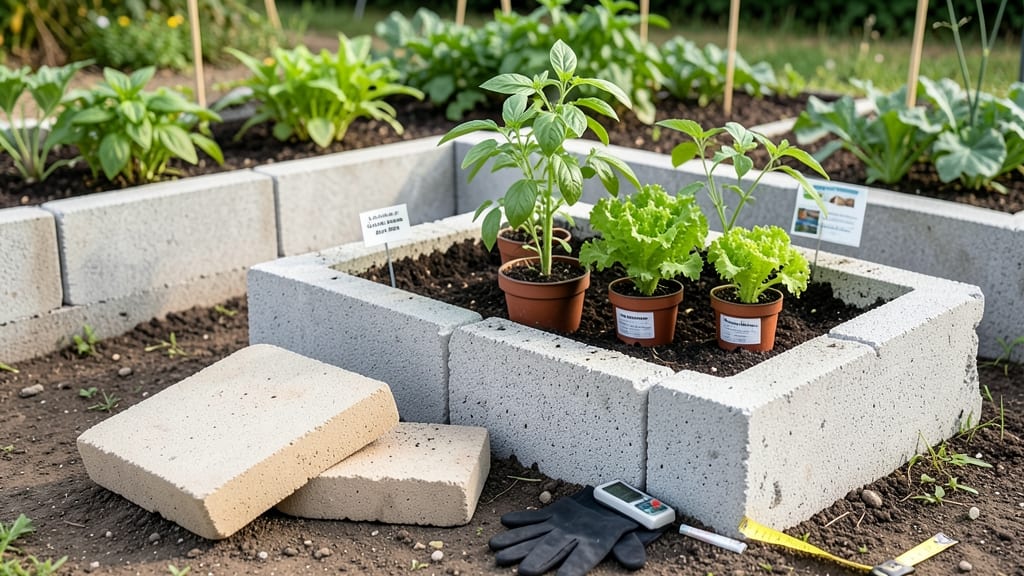
Cinder blocks are safe for vegetable gardens when used as borders or raised beds, but they may gradually increase soil pH due to alkaline leaching. Prevent root contact with untreated blocks and prioritize proper drainage to maintain healthy plant growth.
Using cinder blocks in your garden creates a durable, low-maintenance structure that won't rot like wood, but their alkaline nature can slowly raise soil pH over time. 🌱 This shift may affect nutrient uptake for acid-loving plants like blueberries or tomatoes, though most vegetables tolerate minor pH changes.
The key is proper installation—line beds with landscape fabric to prevent direct contact between block surfaces and roots, and consider adding sulfur or peat moss to balance pH if needed.
Beyond pH concerns, cinder blocks offer excellent drainage and longevity, making them ideal for raised beds or vertical gardens. Just avoid untreated blocks near edible crops, as they may contain trace metals from manufacturing.
For extra protection, paint or seal the blocks before use, and always ensure proper spacing between units for airflow and moisture control.
💡 In This Article
- How Cinder Blocks Affect Soil Chemistry in Gardens
- Best Practices for Using Cinder Blocks in Vegetable Garden Beds
How cinder blocks affect soil chemistry in gardens
Cinder blocks are made from coal ash and other industrial byproducts, giving them a naturally alkaline pH—typically around 8.5 to 10 when measured in water.
Over time, this alkalinity can leach into surrounding soil, gradually raising its pH. For example, a garden bed with 6.5 pH soil might see a shift to 7.0 or higher after 2-3 years of block exposure, depending on rainfall and soil composition.
This subtle change can reduce availability of key nutrients like iron, manganese, and phosphorus, which are crucial for vegetables like tomatoes and peppers.
The chemical process involves calcium and magnesium oxides in the blocks reacting with water and carbon dioxide in the air, forming calcium carbonate—a compound that buffers soil acidity. 🔥 This is why plants sensitive to alkaline conditions, such as blueberries (which thrive in 4.5-5.5 pH
In contrast, concrete blocks (made from Portland cement) have even higher alkalinity (12-13 pH), making them riskier for long-term garden use unless properly isolated. Heavy metals like chromium or lead can also leach from older or poorly manufactured cinder blocks, though modern blocks meet stricter EPA standards. To minimize risks, always use blocks labeled "ASTM C90" (standard for concrete masonry units) and avoid those with visible rust or cracks. For edible gardens, a 6-inch barrier of soil or landscape fabric between blocks and plant roots is recommended to prevent direct contact with potential contaminants. Soil texture also plays a role in how much impact blocks have. Sandy soils drain quickly, reducing leaching, while clay soils hold moisture longer, accelerating pH changes. For instance, a raised bed in clay soil might require annual sulfur amendments (1-2 pounds per 100 sq ft) to counteract block-induced alkalinity, whereas sandy soil may need adjustments only every few years. Alternative materials like stone or brick offer similar durability but with neutral pH effects. For example, granite or limestone has minimal impact on soil chemistry, making it a safer choice for acid-loving plants. However, cinder blocks win for cost-effectiveness and ease of assembly—just pair them with smart soil amendments to maintain optimal growing conditions. Monitor your garden's pH annually using a soil test kit ($10-$20), especially if growing sensitive crops. A simple fix for raised beds is to mix in peat moss or pine bark fines (10% by volume) during initial setup to create a natural pH buffer zone between the blocks and plant roots.