
Tools
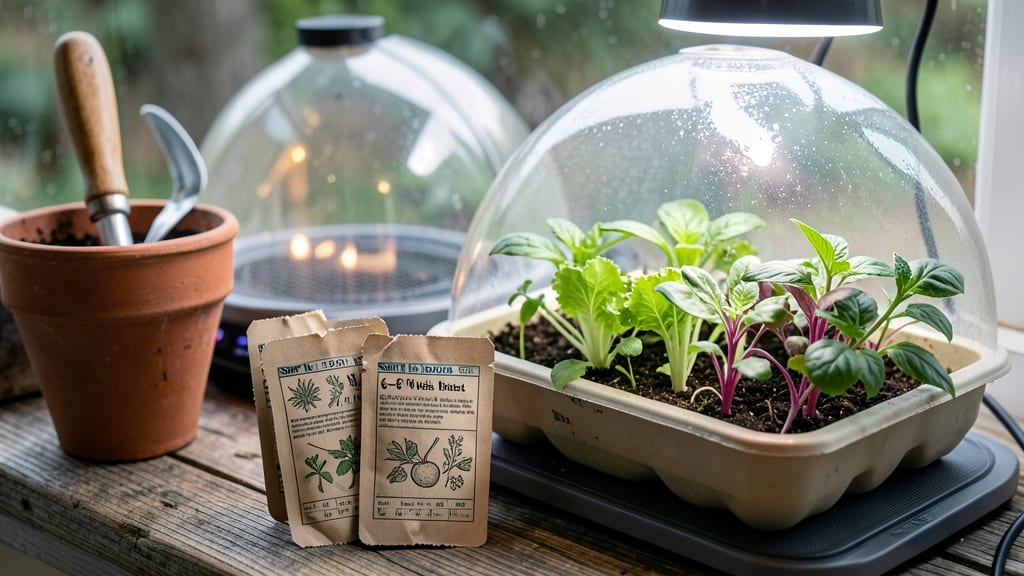
To start garden seeds indoors at the perfect time means healthy seedlings and a bountiful harvest before the first frost—no wasted effort or sad, leggy plants.
Picture this: you’ve just set up your seed trays, the soil is warm, and you’re ready to dive into the gardening season. But if you plant too early, your seedlings will outgrow their containers.
Too late, and you’ll miss the window for a full season of growth. The key is knowing exactly when to begin, based on your last frost date and the type of plants you’re growing.
Most gardeners in USDA Zone 6a (like me!) start cool-season crops like lettuce and peas 4-6 weeks before the last frost—typically in early March.
Warm-season crops, such as tomatoes and peppers, need a head start indoors 8-10 weeks early, so you’ll want to kick off those seeds in February. Get the timing right, and you’ll avoid the heartbreak of stunted plants or a garden that never quite takes off.
In this guide, I’ll walk you through how to calculate your ideal seed-starting dates, share a crop-by-crop schedule, and give you pro tips for avoiding common mistakes.
Whether you’re a first-time gardener or a seasoned green thumb, these steps will help you grow strong, thriving seedlings ready for transplanting when the time is right.
Indoor seed starting timeline by crop type for frost-free success
Starting seeds indoors too early or late can turn your gardening dreams into disappointment. The key to success lies in understanding each crop's maturity timeline and your local frost dates.
Whether you're growing cool-season crops like lettuce or warm-season favorites like tomatoes, precise timing ensures seedlings are ready when outdoor conditions cooperate. My USDA Zone 6a garden thrives because I follow these crop-specific schedules—adjust yours based on your last frost date.
For example, basil and peppers hate cold soil, so I start them indoors 8-10 weeks before my last frost (April 15). Meanwhile, kale and carrots can handle cooler temps, so they go in 4-6 weeks earlier.
The difference? A healthy harvest versus a wasted season. Let’s break down the exact timelines for your most popular crops.
| Crop Type | Indoor Start Time (Before Last Frost) | Days to Maturity | Transplant Ready | Notes |
|---|---|---|---|---|
| Tomatoes | 6-8 weeks | 60-85 days | After last frost | Needs warm soil |
| Peppers | 8-10 weeks | 70-90 days | After last frost | Slow to germinate |
| Lettuce | 4-6 weeks | 30-50 days | 4-6 weeks before last frost | Cool-season crop |
| Basil | 8-10 weeks | 45-60 days | After last frost | Hates cold soil |
| Carrots | 6-8 weeks | 60-80 days | 4-6 weeks before last frost | Direct sow preferred |
| Broccoli | 6-8 weeks | 50-70 days | 4-6 weeks before last frost | Tolerates light frost |
| Cucumbers |
How to calculate your perfect seed starting date based on climateGetting your seed-starting dates wrong can turn eager gardeners into frustrated ones overnight. The difference between a thriving garden and a sad, leggy seedling pile often comes down to one thing: timing. Your local last frost date and each plant's days to maturity are the two most critical pieces of the puzzle. Let me show you how to calculate the perfect start date for your climate zone. First, find your average last frost date for your area—this is the magic number that determines when it’s safe to transplant seedlings outdoors. You can check the USDA Plant Hardiness Zone Map or your local cooperative extension service for precise data. Once you have that date, work backward using the days to maturity listed on your seed packet and the weeks needed for seedlings to harden off. It’s like planning a countdown to your garden’s opening day! 🌱 Step-by-Step Seed Starting Timeline
For example, if your last frost date is April 15 and you’re growing tomatoes that take 80 days to mature, you’ll want seedlings ready by March 26. Subtract the 6-8 weeks needed for seedlings to harden off, and you’ll start seeds around February 1-15. Pro tip: Warm-season crops like peppers and eggplants need even earlier starts—often 10-12 weeks before frost! Don’t forget to account for container gardening or greenhouse growing, which can extend your season. In a greenhouse, you might start seeds 2-3 weeks later since the controlled environment delays frost risks. Meanwhile, cool-season crops like spinach or kale can often be sown directly outdoors 4-6 weeks before your last frost date—no indoor starting required! One common mistake? Ignoring seedling hardening time. Even if your seedlings are ready, they need 7-10 days of gradual acclimation to outdoor conditions before transplanting. Rush this step, and you’ll risk shock or stunted growth. Think of it like preparing for a big move—you wouldn’t just toss your plants outside and expect them to thrive! Finally, keep a seed-starting journal to track what worked (and what didn’t) in your climate. Note adjustments like earlier starts for slow germinators or later starts in warmer microclimates. Over time, you’ll develop a customized schedule that outpaces seed packet recommendations—because your backyard is unique, just like your thumb green! |