
Tools
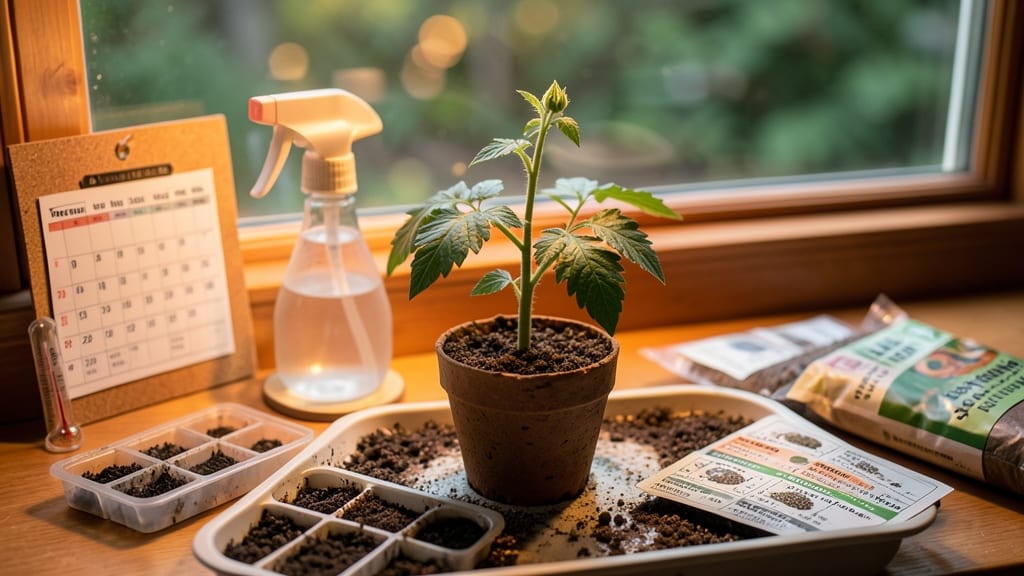
Starting garden seeds indoors at the right time means the difference between a bountiful harvest and a sad pile of leggy seedlings.
Picture this: you’ve spent weeks nurturing your 🌱 General Garden Seeds (Indoor Start), only to rush them outside too early—just as a late frost nips them back. Or worse, you wait too long, and your tomatoes bolt before they even set fruit.
Timing is everything, and getting it wrong can turn your green thumb into a green thumb with regrets.
Most gardeners start too early out of excitement, only to deal with overcrowded trays and weak seedlings. But the real secret?
It’s all about your last frost date—and knowing which crops need 6-8 weeks of indoor head start (like tomatoes) versus the 3-4 weeks that fast growers like radishes can handle.
In Zone 6, that means kicking off your indoor garden in early March for warm-season crops, while cool-season veggies can wait until February.
Below, I’ll break down the exact indoor seed-starting timeline by crop type, how to adjust for your region, and the 3 biggest mistakes that kill seedlings before they even reach the garden.
No more guesswork—just a foolproof plan to get your 🌱 General Garden Seeds (Indoor Start) off to the strongest possible start.
Indoor seed starting timeline by crop type: fast-growing vs. slow-maturing plants
Starting seeds indoors is one of my favorite ways to extend the growing season, but timing is everything. Fast-growing crops like radishes and lettuce can go from seed to harvest in just 4-6 weeks, while slow-maturing plants like tomatoes and peppers need 8-10 weeks of indoor care before they're ready to transplant.
Getting this wrong means either waiting too long for harvests or ending up with overgrown seedlings that struggle outdoors.
Most seed packets include days-to-maturity information, but they don’t always account for your local frost dates or indoor growing conditions.
For example, tomatoes need 60-85 days to produce fruit, but you’ll need to start them indoors 6-8 weeks before your last frost to give them enough time to establish roots and grow strong before the heat of summer.
Here’s the key rule: Count backward from your last frost date using the weeks-to-transplant range for each plant. Fast growers like radishes or bush beans can wait until 3-4 weeks before frost, while peppers and eggplants need 8-10 weeks of indoor time to avoid stunted growth.
| Plant Type | Weeks to Start Indoors | Days to Maturity | Notes |
|---|---|---|---|
| Fast-Growing Vegetables | 3-4 weeks | 30-60 days | Radishes, lettuce, spinach, arugula, bush beans |
| Medium-Growing Vegetables | 4-6 weeks | 60-90 days | Peas, carrots, beets, kale, Swiss chard |
| Slow-Growing Vegetables | 8-10 weeks | 90-120+ days | Tomatoes, peppers, eggplants, broccoli, cabbage |
| Herbs | 4-6 weeks | 45-90 days | Basil, parsley, cilantro, dill, chives |
| Flowers | 6-10 weeks | 60-120 days | Marigolds, petunias, snapdragons, zinnias |
If you’re growing cool-season crops like lettuce or spinach, you can also start a fall indoor batch 8-10 weeks before your first frost. These plants thrive in cooler weather and can even be harvested after a light frost.
I’ve had great success with arugula and kale this way—just use a grow light to extend daylight hours as days shorten.
One of my biggest mistakes early on was starting tomatoes too early in January. By the time they were ready to transplant in May, they were already flowering indoors—a waste of energy!
Now, I wait until March for tomatoes and February for peppers, which gives them enough time to grow strong without bolting too soon.
For herbs like basil, I’ve found that starting them 4-5 weeks before last frost works best. They grow quickly but need consistent warmth, so I keep them near a south-facing window or under a grow light.
If you live in a warmer climate (Zones 8-10), you might only need to start them indoors for 2-3 weeks before transplanting directly outside.
Don’t forget about hardening off your seedlings! Whether you’re transplanting fast-growing radishes or slow-maturing tomatoes, give them 7-10 days of gradual outdoor acclimation. Start with 2-3 hours of shade on day one, then increase exposure over the week.
Skipping this step can lead to transplant shock, even with the hardiest seedlings.
Pro tip: Use a seed-starting calculator to automate this process. Plug in your last frost date and the plant type, and it’ll tell you exactly when to start. I love using Johnny’s Selected Seeds
How to calculate your last frost date and adjust seed starting dates
Getting your seed starting dates right depends on knowing your last frost date. This critical piece of information tells you when it's safe to transplant seedlings outdoors. Without it, you risk losing tender plants to unexpected cold snaps or waiting too long and missing your growing season.
Your last frost date varies by location, so don't rely on your neighbor's schedule. Instead, use the USDA Plant Hardiness Zone Map and local weather records to pinpoint your exact date.
For example, in Zone 6, the average last frost typically falls around April 15, but this can shift by weeks depending on your elevation and microclimate.
Once you've identified your last frost date, work backward using each plant's days to maturity and weeks to transplant requirements.
Warm-season crops like tomatoes and peppers need 6-8 weeks indoors before transplanting, while cool-season crops like lettuce and spinach can handle direct sowing just 2-4 weeks before your last frost.
⚠️ WARNING: Starting Seeds Too Early or Too Late ⚠️
- Starting too early: Seedlings become leggy and weak from stretching toward insufficient light, making them vulnerable to transplant shock.
- Starting too late: Plants may bolt or flower prematurely before producing edible harvests, or you'll have to buy transplants at higher costs.
For warm-season crops, begin indoors 6-8 weeks before your last frost.
For instance, if your last frost is April 15, start tomato seeds around February 15 to ensure they're ready by late April. Cool-season crops, however, can often be sown directly 4-6 weeks before your last frost—no indoor start needed for hardy varieties like kale or radishes.
Adjust your schedule based on heat requirements. Plants like basil and cucumbers thrive in warm soil (70°F+), so wait until soil temperatures rise before transplanting, even if frost risk has passed. Use a soil thermometer to monitor conditions—most seed packets list ideal soil temperatures for germination.
Don't forget to account for hardening off, a 7-10 day process where seedlings acclimate to outdoor conditions. If your last frost is April 15, begin hardening off around April 5 to transplant by the 15th. Track your progress with a gardening journal to refine your timing each year.
For precise planning, cross-reference your last frost date with a seed-starting chart from your local Cooperative Extension Service. These charts often include regional adjustments for frost-prone areas or early-spring heatwaves. With this method, you'll avoid the heartbreak of lost seedlings and maximize your garden's potential.