
Plants
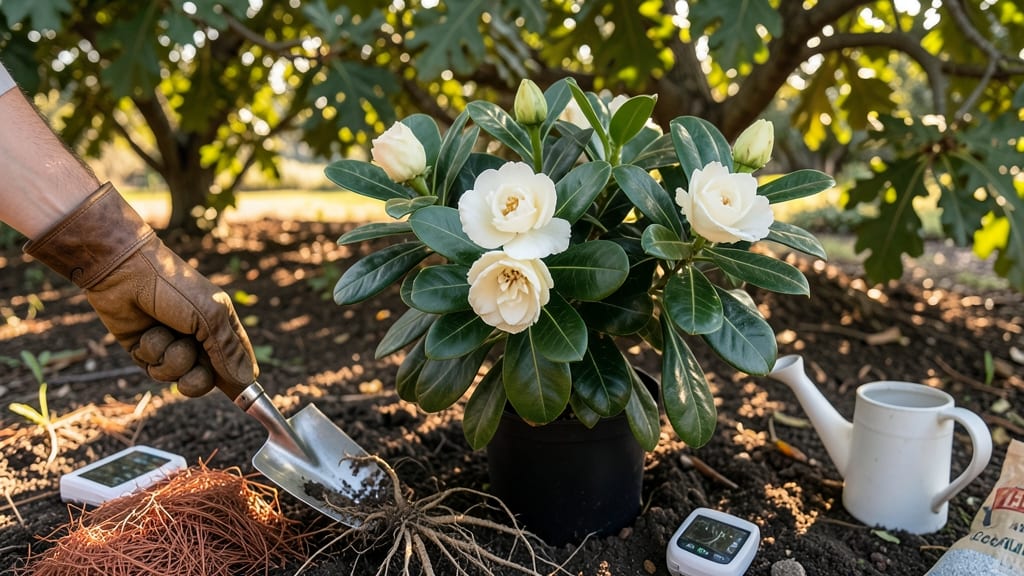
Plant gardenias in Georgia after the last frost date—typically mid-March for most regions—but before the soil heats up past 60°F, or you’ll risk stunted growth and weak blooms.
Georgia’s warm climate makes gardenias a dream plant, but timing your planting wrong can mean struggling blooms or stunted growth. Whether you’re in the Piedmont or Coastal Plains, the 30-day window between frost and peak spring heat is your best shot at strong root establishment.
This isn’t just about avoiding frost—it’s about soil warmth, humidity, and heat waves that can shock young roots. In Zone 8, aim for early April; in Zone 9, late March is ideal. Get it wrong, and you’ll spend the summer playing catch-up with wilting leaves and sparse flowers.
Below, I’ll break down the exact heat-zone safe windows, soil prep secrets, and how to adjust for microclimates—so your gardenias burst into fragrant, lush blooms from June to September without a hitch.
Georgia’s best planting months for gardenias: heat-Zone 8-9 guide
Georgia’s USDA Zones 8-9 offer the perfect climate for gardenias, but timing your planting is everything. These fragrant shrubs thrive when planted during ideal temperature windows that balance soil warmth and humidity.
Plant too early, and frost can damage tender roots. Plant too late, and summer’s heat stress can stunt growth before blooming season.
Most Georgia gardeners succeed with spring planting (March-April) after the last frost, but fall planting (September-October) also works in warmer microclimates like Savannah. The key is soil temperature—gardenias need 60°F+ soil to establish roots before summer’s peak heat arrives. Let’s break down the exact windows for your region.
| Planting Window | Soil Temp Requirement | Frost Risk | Humidity Factor | Best For |
|---|---|---|---|---|
| March-April (Spring) | 60°F+ | Low (after last frost) | Moderate (spring rains) | Zone 8-9 statewide |
| September-October (Fall) | 65°F+ | None (late summer) | High (summer humidity) | Coastal Georgia (Savannah) |
| Late April (Emergency) | 70°F+ | None | Very High | Piedmont (Atlanta) |
For spring planting (my top recommendation), aim for March 15-April 15 in most of Georgia. This gives gardenias 6-8 weeks of warm soil before summer’s peak heat arrives.
In Zone 8 (like Atlanta), wait until April 1 to avoid late frosts—check your local frost date using the National Weather Service.
If you prefer fall planting, focus on September 15-October 15 in Coastal Georgia where humidity stays high. Avoid planting after October 15, as roots won’t establish before winter dormancy. In Piedmont regions, fall planting is risky due to earlier frosts—stick to spring.
Soil temperature is non-negotiable. Use a soil thermometer to confirm 60°F+ before planting. In Zone 9 (Savannah), soil may hit this by mid-March, while Zone 8 (Athens) often waits until late April. Pro tip: Mulch heavily after planting to retain moisture and regulate soil temp.
Humidity plays a surprising role. Georgia’s summer humidity helps gardenias, but fall planting requires extra caution. If you plant in September, water daily for 2 weeks to offset dry spells. In spring, rely on natural rains—just avoid waterlogging, which causes root rot.
Microclimates matter. Savannah’s coastal climate allows fall planting, while Atlanta’s Piedmont demands spring-only timing. Test your spot: If your garden stays warmer than 60°F in November, fall planting may work. Otherwise, spring is safer.
One common mistake? Planting bare-root gardenias too early. These need warmer soil than potted plants. If buying potted gardenias, plant anytime soil is workable (55°F+), but bare-root varieties wait for 60°F+. Always soak roots for 1 hour before planting to reduce transplant shock.
For maximum blooms, plant 3-4 weeks before your typical summer heatwave. This gives roots time to establish before 90°F+ temps stress the plant. In Zone 9, that’s mid-April; in Zone 8, early May is cutting it close.
Remember: gardenias hate transplant shock. The first 30 days after planting are critical. Water deeply every 2-3 days, use acidic fertilizer (like 6-6-6), and prune lightly to encourage bushier growth. With the right timing, your gardenias will reward you with scented blooms from June through September.
How to choose the perfect time: signs your Georgia climate is ready for gardenias
Planting gardenias in Georgia at the wrong time can leave your shrubs struggling to establish roots or even failing to bloom. The key is reading your local climate cues—like soil warmth, humidity shifts, and frost-free windows—to time your planting for success.
In Atlanta's Piedmont region, the ideal window differs from Savannah's Coastal Plains, so understanding these signs is critical for avoiding transplant shock.
Start by checking your soil temperature—gardenias thrive when the ground reaches at least 65°F (18°C). Use a soil thermometer to test, as cool soil can stunt root growth.
In most of Georgia, this typically aligns with mid-March to early April, but microclimates like urban Atlanta may run slightly cooler than rural areas. Pair this with local frost date data to ensure no late frosts are lurking.
- 1 Soil warmth: Test at 65°F (18°C)—use a thermometer 6" deep. Cool soil delays root growth, while warm soil encourages establishment.
- 2 Frost-free window: Plant after your last average frost date (mid-March in Atlanta, late February in Savannah). Check local weather reports for updates.
- 3 Humidity rise: Aim for 50%+ humidity—gardenias thrive in Georgia’s damp spring air. Low humidity can stress young plants.
- 4 Local blooms: Watch native azaleas and camellias—their blooming signals ideal gardenia planting time in your area.
- 5 Microclimate adjustments: Urban areas (like Atlanta) may need 2-3 weeks later than coastal zones (like Savannah) due to urban heat delays.
Pay attention to local blooming patterns—when nearby azaleas and camellias burst into color, it’s often your cue to plant gardenias. These native shrubs thrive in similar conditions, so their timing is a natural indicator.
In Savannah’s Coastal Plains, you might plant as early as late February, while Atlanta’s Piedmont region may wait until early April to avoid late frosts.
Adjust for microclimates—urban heat islands in cities like Atlanta can delay frost dates by 1-2 weeks compared to rural areas. If your garden sits in a low-lying spot or near a body of water, plant earlier, as these areas warm up faster.
Conversely, elevated or windy sites may need a later start to protect young plants from drying winds.
Finally, avoid planting during peak summer heat (June-August), even if the soil is warm. Gardenias struggle with high temperatures above 90°F (32°C), which can cause transplant shock. Instead, opt for early spring or late summer (August-September) as backup windows if you miss the primary planting time.
By combining these soil, weather, and plant cues, you’ll time your gardenia planting perfectly for Georgia’s climate—ensuring robust root growth and fragrant blooms all season. 🌸