
Planting
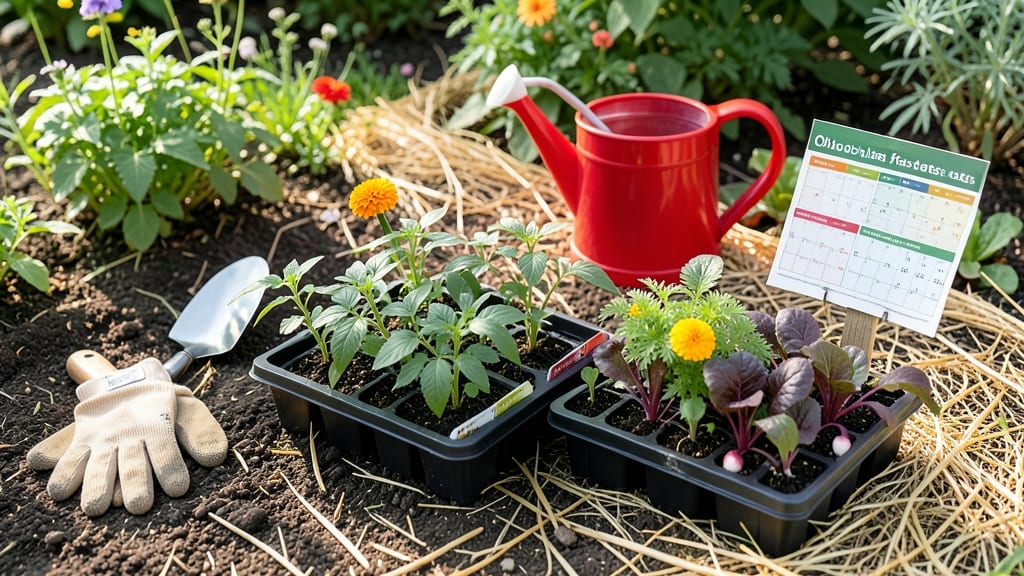
Plant your garden in Ohio when soil temperatures hit 60°F and the last frost has passed—typically between April 15 and May 15, depending on your microclimate.
Ohio’s unpredictable frost dates and varied microclimates can turn gardening success into a guessing game—unless you master the science of soil temperatures and frost-free windows.
From northern Zone 5 to southern Zone 6a, timing matters: plant too early, and a late freeze wipes out seedlings; too late, and summer heat arrives before harvests ripen.
Below, I break down the exact planting windows for your region, plus soil prep tips and cold-hardy crops that thrive in Ohio’s 165-day growing season.
Ohio’s frost dates and soil temperature zones by region
Ohio’s frost dates and USDA hardiness zones vary dramatically from the southern tip near Kentucky to the northern border near Michigan. These differences mean your garden’s planting timeline could shift by 3-4 weeks depending on where you live.
Understanding these regional nuances is key to avoiding frost damage while maximizing your harvest potential.
Most of Ohio falls within USDA Zones 5b-6a, but microclimates—like urban heat islands or lake-effect zones—can create localized variations. For example, Toledo (Zone 6a) often enjoys earlier last frosts than Youngstown (Zone 5b), which can delay warm-season planting by 2-3 weeks.
Always check your local frost data from sources like the Ohio State University Extension for precise timing.
Soil temperature is just as critical as air temperature. Most warm-season vegetables like tomatoes and peppers need soil to reach 60°F before planting, while cool-season crops like spinach or kale thrive in 40-50°F soil.
Using a soil thermometer can help you time plantings perfectly, especially in spring when temperatures fluctuate wildly.
Here’s how Ohio’s regions break down for average last frost dates and soil warming trends, with actionable advice for aligning your planting schedule:
| Region | USDA Zone | Avg. Last Frost | Soil Reaches 60°F | Plant Warm-Season Crops | Notes |
|---|---|---|---|---|---|
| Southern Ohio (e.g., Cincinnati, Columbus) | Zone 6a | April 10–15 | April 20–25 | April 25–May 5 | Longer growing season; plant melons/squash by May 10. |
| Central Ohio (e.g., Dayton, Mansfield) | Zone 6a/5b | April 1–10 | April 15–20 | April 20–May 1 | Use row covers for early tomatoes/peppers. |
| Northern Ohio (e.g., Cleveland, Akron) | Zone 5b | April 15–20 | May 1–5 | May 5–15 | Wait for soil to warm; start seeds indoors earlier. |
| Northeast Ohio (e.g., Toledo, Youngstown) | Zone 5b/6a | April 5–15 | April 25–May 5 | May 1–10 | Lake-effect zones may delay frost; monitor local data. |
If you’re in southern Ohio, you might be tempted to plant tomatoes or peppers by April 25, but a late frost could still strike. Always have row covers or a cold frame ready to protect tender seedlings.
For northern Ohio, waiting until May 10 ensures your warm-season crops avoid frost damage entirely.
For cool-season crops like lettuce, spinach, and peas, you can start seeds 4-6 weeks before your last frost date. In Zone 6a, that means early March plantings, while Zone 5b gardeners should wait until mid-March.
These crops tolerate light frosts and can even taste sweeter after a light freeze.
Pro tip: Use Ohio State’s Frost Date Calculator (available via their Extension office) to get hyper-localized data. Input your zip code and it’ll show you historical frost patterns for your exact location—far more accurate than general zone maps.
This tool is a game-changer for avoiding costly mistakes like planting tomatoes too early in northern Ohio.
Don’t forget that soil temperature lags behind air temperature. Even if daytime highs reach 70°F, your soil might still be 50°F at planting depth.
For fast-growing crops like radishes or bush beans, this might not matter, but slow-to-mature plants like squash or corn need consistently warm soil to thrive.
To check soil temperature, insert a soil thermometer 2-3 inches deep in your garden bed. If it’s below 60°F in May, hold off on planting warm-season crops until conditions improve. You can
The 3-Month planting calendar for Ohio gardens: what to sow when
Ohio’s gardening season is a delicate balance between cool-season crops and heat-loving plants. Timing is everything—plant too early, and frost will strike; too late, and you’ll miss peak harvests. The key?
Understanding your last frost date (typically mid-April in southern Ohio to late May in the north) and adjusting for soil temperatures that reach 50°F for cool crops or 60°F+ for warm-season favorites.
For cool-season powerhouses like spinach, peas, and lettuce, I start sowing seeds indoors 4-6 weeks before the last frost. These hardy crops thrive in 40-60°F soil and can even handle light frosts.
Meanwhile, warm-season stars like tomatoes, peppers, and basil need to wait until after May 15 in most of Ohio, when soil temperatures consistently stay above 60°F.
- March: Start cool-season seeds indoors (spinach, kale, onions). Direct-sow peas and radishes in well-drained beds if soil thaws.
- April: Transplant broccoli, cabbage, and lettuce after last frost. Sow carrots and beets in loose soil.
- May: Plant tomatoes, peppers, and cucumbers after soil warms to 60°F+. Succession-sow bush beans every 2 weeks.
- June: Direct-sow fall crops (kale, spinach) for late harvests. Transplant herbs like dill and cilantro.
- July-August: Succession-plant bush beans and zucchini for extended harvests. Start cool-season seeds indoors for fall.
- September: Direct-sow garlic and onions for next year. Plant cold-hardy greens (spinach, arugula) 6 weeks before frost.
Succession planting is my secret weapon for non-stop harvests. For example, I sow bush beans every 2 weeks from May through July to keep the kitchen stocked. Similarly, lettuce and radishes grow quickly—perfect for weekly replanting to avoid bolting or overcrowding.
Northern Ohio gardeners should delay warm-season plants by 2-3 weeks to account for later frosts. In southern Ohio, you can push the envelope: try early tomatoes in May with row covers or start fall squash in July for October harvests.
Always check Ohio State University’s frost maps for your specific county—microclimates near lakes or hills can shift frost dates by 1-2 weeks.
Don’t forget perennials and flowers! Plant asparagus crowns in early spring or daylilies in fall for established roots before winter. For annuals like marigolds or zinnias, sow seeds directly after frost to attract pollinators all season. The goal? A garden that thrives year-round, not just peak summer.
Pro tip: Mark your calendar for August 1—this is my last call for warm-season crops. After this date, focus on cool-season prep (soil amendments, seed starting) to ensure a smooth transition into fall.
With this 3-month roadmap, your Ohio garden will be productive, resilient, and bountiful from spring to frost. 🌱