
Tools
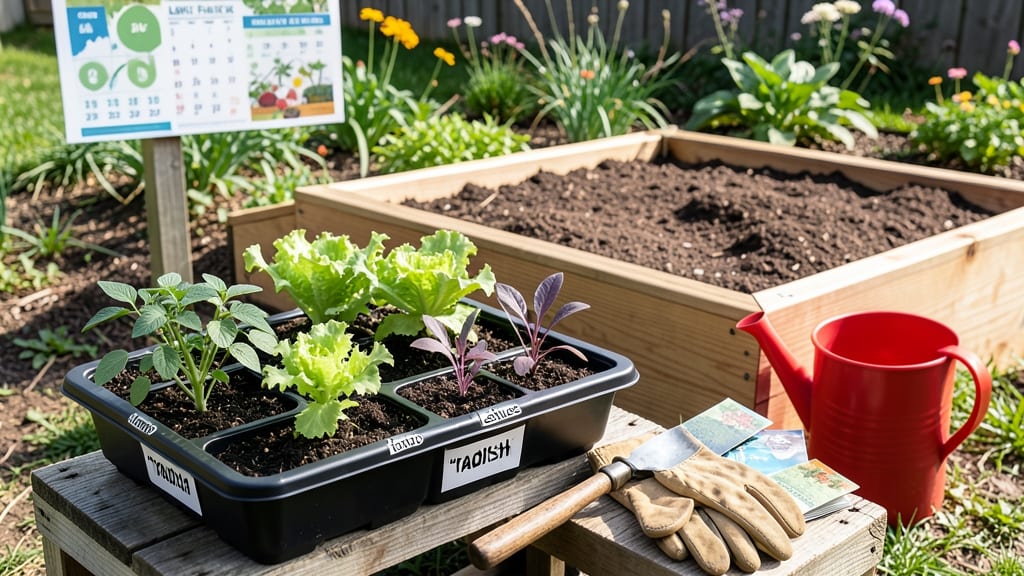
Starting a garden in Ohio means timing your first seeds and transplants with the last frost dates—a window that can shift by weeks depending on where you live in the state.
Ohio’s unpredictable spring weather can turn a gardener’s excitement into frustration—knowing the exact last frost dates by zone and microclimate is your secret weapon for a thriving garden.
From the cooler hills of Appalachia to the warmer valleys near Cincinnati, your planting schedule should match your local conditions, not just the average frost date for your USDA zone.
In this guide, I’ll break down Ohio’s frost-free timeline by region, help you adjust for microclimates, and show you how to start seeds indoors so you’re ready to plant as soon as the soil warms.
Ohio last frost dates by USDA hardiness zone (2024 guide)
Ohio’s USDA hardiness zones 4a through 6b create dramatic differences in last frost dates—sometimes 3+ weeks apart between northern and southern regions. For example, zone 4a (northeast Ohio) might see its last frost in mid-May, while zone 6b (southwest Ohio) averages mid-April.
These dates determine whether your tomatoes survive or your peppers bolt too early.
Historical data shows Ohio’s frost dates have shifted 1-2 weeks earlier over the past decade due to climate change. However, microclimates (like valleys or urban heat islands) can still override these averages by 7-10 days. Always verify with local records—your neighbor’s garden might be 2 weeks ahead of yours!
To find your exact last frost date, cross-reference the USDA zone map with Almanac frost data and your county’s historical records. For instance, Cleveland (5b) averages May 10, but Columbus (6a) typically hits April 25.
Use this summary-table as your starting point, then adjust based on 3-5 years of local observations.
For zone 4a gardeners, cold-hardy crops like spinach and peas can go in as early as late March under row covers, but tomatoes and peppers should wait until after May 30.
In zone 6b, you can direct-sow cucumbers in March and harvest sweet corn by July—a full month earlier than northern Ohio.
Pro tip: Use the "30-day rule" for warm-season crops. Plant tomatoes and peppers only when you’ve had 30 consecutive frost-free days and soil temps exceed 60°F. For example, in zone 5b, this typically means May 15, not April 15—even if your neighbors are planting early!
Verify your local frost dates using 3 sources: the Old Farmer’s Almanac, your county extension office, and local weather station data (like NOAA). For instance, Toledo (6b) averages April 5, but Akron (5b) is often
Microclimate factors that change your planting timeline
Ohio’s last frost dates vary dramatically across just a few miles—what’s safe in southern Columbus might still be risky in northeastern Akron. These shifts happen because of microclimates, tiny ecosystems where temperature, wind, and moisture behave differently.
Understanding them helps you adjust planting by 1-3 weeks for peak success.
Your garden’s elevation alone can push frost dates back by 7-10 days per 100 feet gained. Higher areas stay colder longer, while valleys trap heat overnight.
Even your yard’s orientation matters—a south-facing slope warms faster than a north-facing one. These factors explain why your neighbor’s tomato plants thrive weeks before yours do.
- 1 Urban Heat Islands: Concrete and pavement in cities like Cincinnati can raise temps by 5-10°F, delaying frost by 10-14 days. Plant heat-lovers like peppers 2 weeks earlier here.
- 2 Water Bodies: Gardens near lakes or rivers (like Toledo’s shorelines) stay 3-5°F warmer at night, extending the growing season by 2-3 weeks. Perfect for cold-sensitive crops like basil.
- 3 Wind Exposure: Open fields (common in northwest Ohio) dry soil faster and chill plants. Add windbreaks or choose hardy varieties like kale to plant 3 weeks earlier than sheltered areas.
- 4 Soil Type: Clay soils in southeastern Ohio stay cold longer, while sandy soils in western Ohio warm faster. Test your soil—amend clay with compost to warm it 1-2 weeks sooner.
To adapt, use frost-free degree days (not just dates). For example, tomatoes need 1,200+ degree days—if your microclimate gains 200 extra days from urban heat, you can plant 3 weeks earlier than the zone average. Track local data with Almanac’s Frost Calculator or NOAA’s climate maps.
Pro tip: Place frost-sensitive plants like eggplants near south-facing walls or dark mulch to absorb heat. In windy areas, use low-growing crops like lettuce—they recover faster from cold snaps. Even a 10-foot-tall fence can create a 2°F warmer microclimate behind it.
Start by mapping your yard’s microclimates: Note sun exposure at different times, wind patterns, and soil variations. Adjust planting dates by 1 week per microclimate shift. For example, if your garden bench stays 5°F warmer than the rest, plant peppers there 2 weeks early.
Small tweaks lead to bigger harvests—and fewer frost-burned dreams.
Remember: Microclimates aren’t just about frost—they affect pests, disease risk, and even flowering times. Use these insights to stagger plantings for continuous harvests. Your Ohio garden’s success hinges on reading these hidden clues.