
Planting
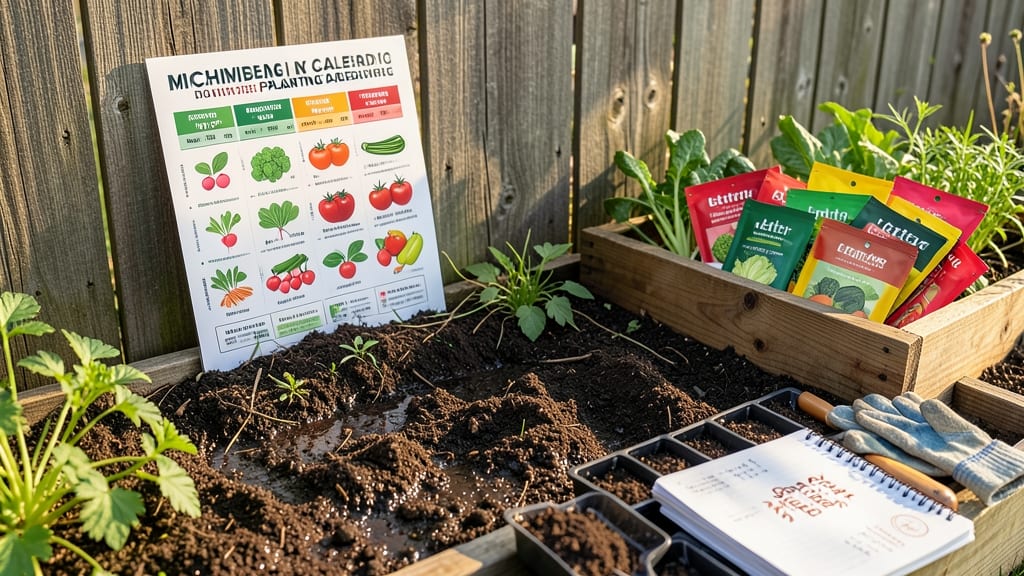
Planting your garden in Michigan at the right time means catching that narrow window between frost and summer heat—when soil temperatures hit 50°F or warmer for cool crops and 60°F+ for warm-season plants.
Michigan gardeners know timing is everything—plant too early and risk frost damage, too late and miss peak harvests. But with the right soil temperature triggers, you can align your planting schedule with nature’s perfect window for fastest, healthiest growth.
From the Upper Peninsula’s cooler USDA Zone 3-4 to the Lower Peninsula’s Zone 5-6, frost dates vary by weeks. The key? Waiting for soil to warm naturally, not just air temperatures, to avoid stunted plants or bolted greens.
Below, I break down the exact soil temp thresholds for each crop, when to start seeds indoors, and how to use row covers to extend your season—so you’re planting with confidence, not guesswork.
Michigan planting zones: when to plant based on last frost dates & soil warmth
Michigan’s diverse USDA planting zones 3-6 create unique challenges for gardeners. The Upper Peninsula (zones 3-4) faces shorter growing seasons, while the Lower Peninsula (zones 5-6) enjoys longer frost-free periods.
Understanding your last average frost date and soil temperature triggers is key to timing direct sowing and transplanting for maximum success.
For cool-season crops like peas, lettuce, and spinach, wait until soil reaches 50°F—a simple check with a soil thermometer prevents stunted growth from cold soil. Meanwhile, warm-season crops such as tomatoes, peppers, and cucumbers need soil at 60°F+ before transplanting.
These temperature thresholds align with Michigan’s microclimates, where urban areas may warm faster than rural zones.
Use this interactive frost map (available from Michigan State University Extension) to pinpoint your exact last frost date. For example, zone 6 (Lower Peninsula) typically sees its last frost around May 10-15, while zone 4 (Upper Peninsula) may wait until May 25-30.
Count backward from these dates to schedule your transplanting windows—usually 2-3 weeks before the last frost for cool crops.
Here’s how to use soil temperature as your planting guide:
In zone 3 (Upper Peninsula), where winters are harsher, focus on early maturing varieties of warm crops like bush beans or determinate tomatoes. These thrive even with shorter seasons.
For zone 6 (Lower Peninsula), you can push the envelope by planting late-season crops like kale or spinach in early August for fall harvests—just ensure soil stays above 45°F.
Pro tip: Test your soil temperature in the morning (before sunlight warms it) for the most accurate reading. Place your soil thermometer 2-3 inches deep, where most roots grow.
If readings fluctuate, wait 3-5 days for consistency before planting. This patience prevents seed rot or transplant shock from temperature swings.
For transplants, harden off seedlings for 7-10 days before moving them outdoors. Start this process when nighttime temperatures consistently stay above 40°F. In zone 4-5, this often means mid-April for cool crops and early May for warm crops.
Use row covers or cloches to extend your planting window by 2-3 weeks in early spring or fall.
Michigan’s lake-effect zones (near Lake Michigan or Huron) can create microclimates where soil warms 1-2 weeks earlier than inland areas. If you’re near these lakes, monitor soil temps locally—you might plant spinach or peas 7-10 days ahead of inland gardeners.
Conversely, urban heat islands in cities like Detroit can push soil temps up faster, allowing earlier planting of warm-season crops.
Plan ahead for
Best crops to plant by Michigan month (April–June) with soil temperature checklist
Spring in Michigan brings a flurry of planting opportunities, but knowing the exact soil temperatures for each crop is key to avoiding frost damage and maximizing yields. April through June offers the perfect window for cool-season crops, warm-season stars, and succession plantings that keep your garden productive all summer.
The secret? A soil thermometer and a clear checklist of temperature thresholds—like 40°F for peas or 60°F for tomatoes.
Start with cool-hardy crops in April when soil temperatures hover around 40–50°F. These early risers—like spinach, peas, and lettuce—thrive in cooler conditions and can even handle light frosts. By late April, when daytime temperatures climb above 50°F, you can introduce radishes, carrots, and kale.
Each of these crops has a specific temperature range where they germinate best, and missing that window means slower growth or poor germination.
Here’s your month-by-month guide to planting in Michigan, complete with soil temperature triggers and succession planting tips to keep your garden thriving:
Peas, spinach, lettuce, radishes, carrots, kale
Beets, Swiss chard, broccoli, cabbage, onions, potatoes
Tomatoes, peppers, eggplants, cucumbers, squash, corn
Sow lettuce and radishes every 2 weeks from April to June for continuous harvests.
Test soil warmth at 6 inches deep—this is where roots need warmth to thrive.
For warm-season crops like tomatoes and peppers, wait until the soil reaches a steady 60°F or higher, usually by late May in most of Michigan. These heat-lovers won’t germinate well in cooler soil, so patience pays off.
Meanwhile, green beans can be direct-sown when soil hits 55°F, making them a great bridge crop between cool and warm seasons.
Pro tip: Use row covers or cold frames to extend the season for early plantings. For example, you can plant spinach in early April under a lightweight cover to protect it from late frosts.
And don’t forget to harden off transplants gradually if you’re starting seedlings indoors—this helps them adjust to outdoor conditions and reduces shock.
Track your progress with a simple soil temperature checklist. Record readings every morning at 6 inches deep and match them to your planting schedule. For instance, if your soil hits 50°F in early May, it’s time for broccoli and cabbage.
By June, when soil temperatures soar above 65°F, focus on summer squash, melons, and basil to keep your garden buzzing with activity.
With these soil temperature triggers and a little planning, you’ll have a garden that’s always in sync with Michigan’s unpredictable spring. Happy planting—and watch those seedlings pop up like magic when the timing is just right! 🌱