
Planting
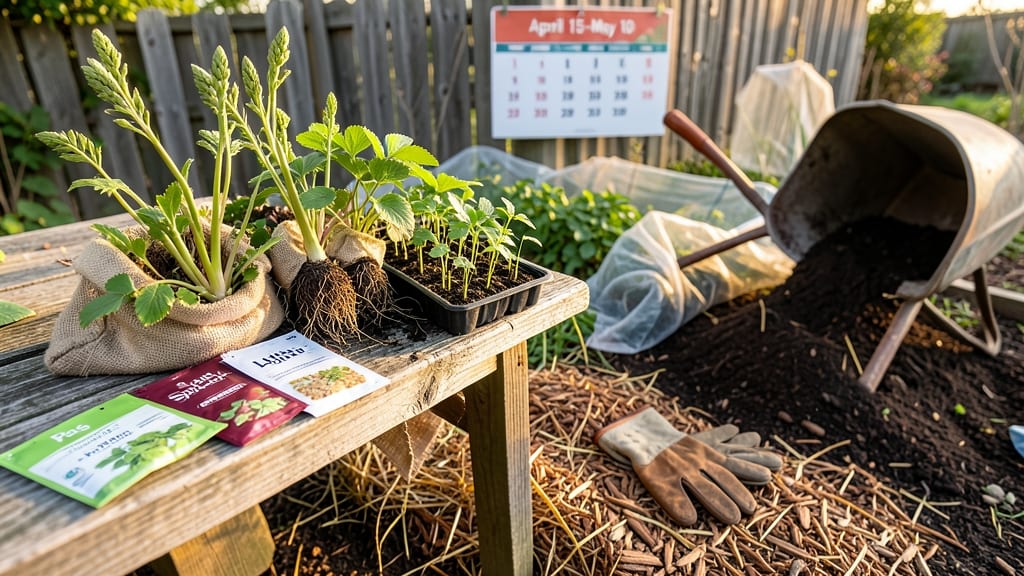
Planting a garden in Michigan at the right time means the difference between a thriving harvest and a lost season.
Michigan’s unpredictable spring weather can leave gardeners guessing—plant too early and risk frost damage, too late and miss the growing season. Timing your garden correctly means the difference between a bountiful harvest and wasted effort.
For most of the state, the ideal window opens around late April to early May, when soil temperatures hit 50°F and the last frost has passed. But Michigan’s climate varies wildly from the Upper Peninsula to the southern border, so knowing your exact zone is key.
In this guide, I’ll break down the exact planting dates for vegetables, flowers, and perennials, plus how to adjust for late frosts, soil conditions, and even container gardening. You’ll learn when to start seeds indoors, when to transplant outdoors, and how to stretch your growing season for maximum yields.
Michigan planting zones & soil temperature guidelines for success
Michigan spans USDA Hardiness Zones 4a through 6b, meaning temperatures vary dramatically from the Upper Peninsula's colder climates to Southern Michigan's warmer zones. Understanding your specific zone helps determine when to plant cool-season crops like spinach versus warm-season plants like tomatoes.
For example, Zone 5 (covering Detroit and Lansing) has a last frost date around May 15, while Zone 4 (Northern Michigan) may see frost until June 1.
But timing isn't just about frost dates—soil temperature is equally critical. Most vegetable seeds need soil to reach 45-55°F for germination, while warm-season crops like peppers require 70°F+.
Testing your soil's readiness with a soil thermometer (inserted 2-3 inches deep) prevents wasted effort on seeds that won't sprout in cold ground.
Here's how Michigan's zones break down by region and their typical last frost averages:
| Region | USDA Zone | Avg Last Frost | Soil Temp for Cool Crops | Soil Temp for Warm Crops |
|---|---|---|---|---|
| Northern Michigan (Marquette, Traverse City) | 4a-4b | June 1-10 | 45-50°F | 75°F+ |
| Central Michigan (Grand Rapids, Lansing) | 5a-5b | May 15-25 | 50-55°F | 70°F+ |
| Southern Michigan (Detroit, Ann Arbor) | 6a-6b | April 25-May 10 | 50-55°F | 65°F+ |
| Southwest Michigan (Kalamazoo, Benton Harbor) | 6a | April 20-May 5 | 50-55°F | 65°F+ |
To test your soil's readiness, use a soil thermometer for 3-5 consecutive days. If temperatures dip below 50°F at night, cover seeds with row fabric or wait. For warm-season crops, wait until soil stays above 60°F for 7+ days—this prevents stunted growth.
Pro tip: Black plastic mulch warms soil 5-10°F faster than bare earth.
Michigan State University Extension recommends using cold frames or hoop tunnels to extend your planting window by 2-4 weeks in colder zones. These protect seedlings from late frosts while letting them benefit from warmer soil temperatures.
For example, in Zone 4b, you can start pepper plants indoors in March and transplant them outdoors by late May with protection.
Don't rely solely on frost dates—soil temperature is the true indicator. For instance, lettuce seeds may germinate at 40°F, but tomato seeds won't sprout below 60°F. Use a seed starting chart that lists both minimum soil temps and ideal planting windows for each crop.
My go-to resource is the MSU Garden Guide, which includes a Michigan-specific planting calendar.
For container gardening, soil warms faster in pots, so you can plant warm-season crops 1-2 weeks earlier than in-ground. However, containers also dry out quicker, so monitor moisture levels daily during spring's unpredictable rains.
If your soil feels cool to the touch (like a refrigerator door), delay planting until it warms up—even if frost dates suggest it's safe.
Remember: Northern Michigan's shorter growing season means prioritizing fast-maturing varieties like 'Early Girl' tomatoes (55 days) over 'Brandywine' heirlooms (80+ days). In Southern Michigan, you have more flexibility to experiment with longer-season crops like butternut squash. Always check seed packets for days to maturity
Crop-specific planting calendar for Michigan gardens (vegetables, flowers, herbs)
Michigan gardeners know timing is everything—especially with our variable frost dates and shifting spring weather. Cool-season crops like spinach and kale thrive in early spring, while tomatoes and peppers need warm soil to germinate.
The key is balancing last frost dates (typically May 15 in most regions) with soil temperatures that match each plant's needs.
For container gardening, adjust timelines slightly—pots warm up faster than in-ground soil, so you can plant warm-season crops like basil 1-2 weeks earlier. Meanwhile, succession planting (like sowing lettuce every 2 weeks) extends harvests by filling gaps left by early crops.
Let’s break down the best times to plant Michigan’s most popular crops, month by month.
Start cool-season crops indoors in March for an early jump—harden off seedlings by late April to transplant after the last frost. For warm-season plants, wait until soil reaches 60°F+ (use a soil thermometer!) before planting tomatoes or peppers.
In containers, warm soil speeds up germination, so you can plant cucumbers or beans 1-2 weeks ahead of ground planting.
Don’t overlook succession planting—it’s how I double my harvest! After pulling early radishes (ready in 30 days), I replant the space with bush beans or carrots. For herbs like basil, stagger plantings every 4 weeks to ensure fresh leaves all summer.
And if late frosts threaten, use row covers to protect tender seedlings until the danger passes.
Michigan’s USDA Zones 4-6 mean some northern regions (like Traverse City) have shorter growing seasons than southern areas (like Detroit). Adjust timelines by 1-2 weeks based on your last frost date—check Michigan State University Extension for local averages.
For container gardens, remember: smaller pots dry out faster, so water consistently and choose dwarf varieties of tomatoes or peppers to maximize space.
Pro tip: Mark your calendar for July 4th—it’s the perfect time to start fall crops like kale or spinach for a late-season harvest. And if you’re new to gardening, begin with easy crops like lettuce, radishes, or marigolds to build confidence before tackling tomatoes or peppers.
With this schedule, you’ll avoid the most common mistakes and enjoy a garden that thrives all season long.