
Planting
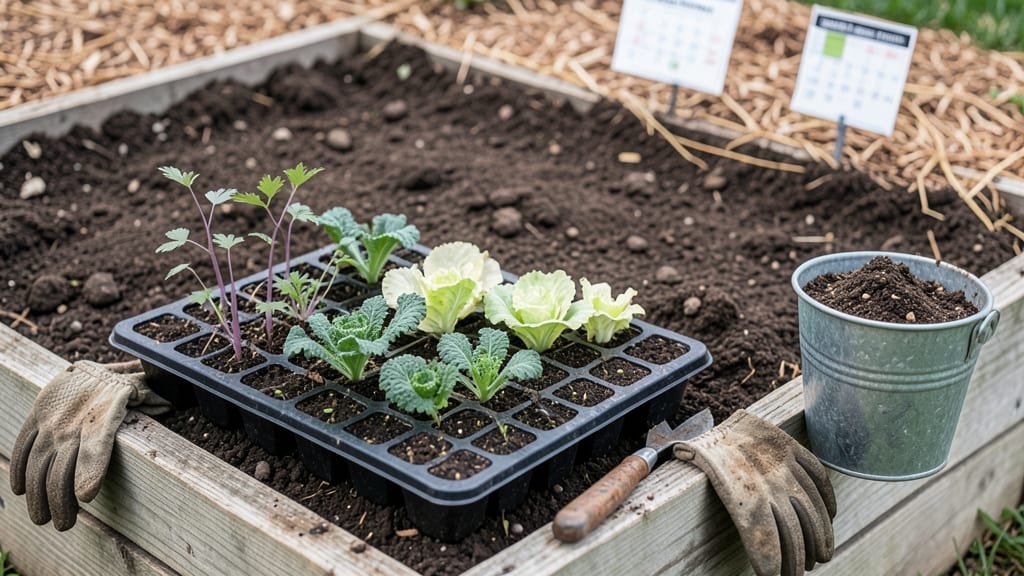
To plant a vegetable garden in Seattle 🥬, time your crops between mid-March and early June for spring, then again in late July to early September for fall.
Seattle’s unpredictable weather can make timing your vegetable garden a high-stakes guessing game—but getting it right means the difference between a thriving harvest and a failed experiment.
With USDA Zone 8a and 180 frost-free days, your planting window is shorter than you might think. Cool-season crops like lettuce and peas need an early start, while tomatoes and peppers crave warmer soil.
Below, I’ll break down the exact dates for your favorite veggies, plus how to adjust for Seattle’s rainy springs and chilly falls—so you can finally grow what you love without the guesswork.
Seattle’s planting zones: when to start seeds vs. transplants by microclimate
Seattle’s USDA Zone 8a/8b climate creates unique challenges for gardeners, with coastal areas (like West Seattle) staying milder and wetter than inland zones (like Bellevue). The average last frost date hovers around March 15, while the first frost typically arrives by October 15.
These microclimates mean your neighbor’s tomato plants might thrive while yours struggle—or vice versa!
For cool-season crops like lettuce and peas, you can start seeds indoors 6–8 weeks before your last frost (around January 15). Warm-season crops such as tomatoes and peppers need a longer indoor start (8–10 weeks before transplanting, or February 1 for coastal areas).
Direct-sowing outdoors is safest after April 15 for most vegetables.
Here’s where microclimates matter: Coastal Seattle’s milder winters allow earlier planting of spinach and kale (as early as February), while inland areas may wait until March 1. Heat-loving crops like cucumbers and beans should wait until May 15 to avoid late-spring chills.
Always check soil temperatures—most seeds need 50°F+ to germinate.
Pro Tip: Use row covers or cold frames to extend your spring planting window by 2–3 weeks. For fall crops, start seeds indoors in July to transplant by August 15 and harvest before frost.
| Crop | Start Seeds Indoors | Transplant Outdoors | Direct Sow Outdoors | Harvest Window | Microclimate Notes |
|---|---|---|---|---|---|
| Lettuce | Jan 15–Feb 15 | Mar 1–Apr 15 | Feb 15–Apr 1 (coastal) / Mar 1–Apr 15 (inland) | Apr–Oct | Bolt-resistant varieties for summer |
| Tomatoes | Feb 1–Mar 1 | May 15–Jun 1 | N/A (transplant only) | Jul–Oct | Wait for soil >60°F; use cages |
| Peppers | Feb 15–Mar 15 | May 1–May 15 | N/A (transplant only) | Aug–Oct | Slow to mature; extend season with row covers |
| Spinach | Feb 1–Mar 15 | Mar 15–Apr 15 | Feb 1–Apr 1 (coastal) / Mar 1–Apr 15 (inland) | Apr–Jun, Sep–Oct | Avoid summer heat; plant fall for best flavor |
| Carrots | N/A | N/A | Mar 15–Apr 15, Jul 1–Aug 15 | Jun–Sep, Oct–Nov | Loosen soil; avoid rocky areas |
| Cucumbers | Mar 15–Apr 1 | May 15–Jun 1 | May 15–Jun 1 | Jul–Sep | Trellis for space; harvest young for best taste |
| Peas | Feb 1–Mar 15 | Mar 15–Apr 1
How to adjust planting dates for Seattle’s rainy seasons and unpredictable frostSeattle’s wet springs and unpredictable frost can throw off even the most experienced gardener’s timing. The key to success lies in flexibility—adjusting your planting schedule based on microclimates and protective strategies. Whether you’re dealing with late-season rains or early frosts, these adjustments will help you extend your growing season and maximize your harvest. Instead of rigid planting dates, think of your garden as a seasonal puzzle. Seattle’s coastal areas often experience milder temperatures, while inland zones can see earlier frosts. By using row covers, cold frames, and succession planting, you can create a buffer against nature’s unpredictability. These tools don’t just protect your plants—they also give you the confidence to plant earlier or later than traditional calendars suggest. 5 Critical Adjustments for Seattle’s Climate
For example, if your soil temperature hovers around 45°F in early April, hold off on planting warm-season crops like tomatoes until late April or early May. Instead, focus on cool-season crops that thrive in cooler, wetter conditions, such as Swiss chard or peas. These plants not only tolerate Seattle’s rainy springs but often taste sweeter after a few light frosts. Another game-changer is succession planting. Instead of planting all your lettuce seeds at once, sow a new batch every 2–3 weeks from March through June. This ensures a continuous harvest and minimizes losses from unpredictable weather. Pair this with row covers to shield young seedlings from heavy rain or chilly winds, which can stunt growth or wash away soil. Don’t forget about fall planting, either. While many gardeners pack up by October, Seattle’s mild autumns allow for a second growing season. Use cold frames or hoop houses to protect broccoli, cabbage, and kale until the first hard frost. These structures can add 5–10°F of warmth, giving you an extra 4–6 weeks of growing time—enough to squeeze in a late harvest or even overwinter some crops. Finally, keep a gardening journal to track your adjustments year after year. Note which planting dates worked best, which protection methods were most effective, and how your microclimate (e.g., south-facing slope vs. shady corner) influenced success. Over time, you’ll refine your strategy to match Seattle’s ever-changing weather patterns—turning uncertainty into a predictable harvest. |