
Planting
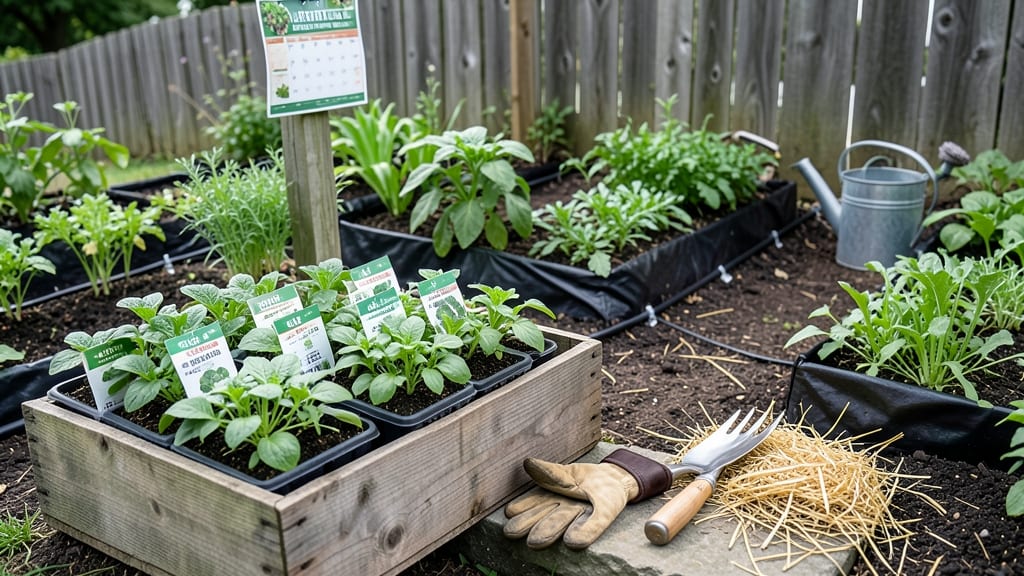
Planting a vegetable garden in Seattle at the right time means the difference between a bountiful harvest and a frost-killed disappointment.
Seattle’s unpredictable weather can turn a gardener’s dream into a frost-bitten nightmare—but timing your vegetable garden just right means enjoying zero-frost-risk harvests all season long.
With USDA Zone 8a frost dates that shift from year to year, knowing when to start cool-season crops like kale or peas (as early as mid-March) versus waiting for warm-season favorites like tomatoes (after April 15) is the key.
Urban microclimates add another layer: a backyard in West Seattle may stay cooler than one on the Eastside, delaying planting by a critical week.
Here’s your microclimate-guided schedule, packed with Seattle-specific tips to extend your growing season, avoid common mistakes, and download a checklist for first-timers.
Seattle’s microclimate zones: when to plant based on frost dates and elevation
Seattle’s gardening success hinges on understanding its microclimates, where West Seattle and the Eastside can differ by weeks in frost timing. The city spans USDA Zones 8a-9a, but elevation and urban heat islands create localized planting windows.
For example, West Seattle’s cooler maritime air delays warm-season crops by 2-3 weeks compared to Ballard or the Eastside. Always adjust your schedule based on your specific neighborhood.
Your last average frost date is April 15, but elevation changes everything.
Areas like Queen Anne (300+ ft) may experience frost until May 1, while lowland areas like South Park can plant tomatoes 3 weeks earlier. Zero-frost-risk crops like basil and peppers thrive when planted after May 15 in most zones, but higher elevations should wait until June 1.
🌱
For zero-frost-risk crops, prioritize tomatoes, peppers, and basil—they need consistent warmth.
Plant tomatoes after May 15 in most zones, but cherry tomatoes (like 'Sweet 100') tolerate cooler temps and can go in by May 1. Peppers require 70°F+ soil, so use black plastic mulch to warm the ground faster in cooler microclimates.
Elevation plays a surprising role: every 100 feet higher delays planting by 2-5 days.
If you’re in Queen Anne (300+ ft), wait until May 20 for peppers, while lowland areas like South Park can plant 2 weeks earlier. Urban heat islands (like Pioneer Square) can push planting dates 3-5 days earlier than rural areas.
Pro tip: Use WSU Extension’s frost maps for real-time data, but trust your local neighborhood gardeners—they’ve seen the microclimate quirks firsthand. For example, Ballard’s coastal breeze keeps soil cooler, while Mercer Island’s sheltered location warms up faster. Adjust your schedule based on last year’s frost notes from trusted sources.
If you’re growing heat-loving crops like eggplant or okra, wait until June 1 in most zones—these plants won’t tolerate frost and need consistent 75°F+ temps. Basil, however, is more forgiving and can handle 60°F+, making it a great early June starter in warmer microclimates.
🌿
Don’t forget about succession planting—it’s your secret weapon for zero-frost-risk harvests. After your first tomato plants produce, pull them and replant with bush beans or lettuce in late July
Zero-frost risk planting calendar: month-by-month schedule for Seattle’s most reliable crops
Seattle’s short growing season and unpredictable frost dates demand precision timing to avoid wasted effort. By following this zero-frost-risk calendar, you’ll maximize harvests for both heat-loving and cool-season crops—no more guessing when to plant!
Key to success is knowing your last frost date (around April 15 in Seattle) and planning succession plantings to stretch your harvests. For example, radishes and spinach thrive in early spring, while tomatoes and peppers need warm soil to germinate.
- 1
- 2
- 3
- 4
- 5
- 6
Pro tip: Use succession planting for leafy greens and radishes—sow every 2-3 weeks from spring to fall. For example, plant radishes in March, April, June, and August to enjoy fresh harvests year-round.
Seattle’s maritime climate means cooler summers than inland areas. If your plants look stressed in July-August, provide afternoon shade with shade cloth or mulch to keep roots cool. Prioritize drought-tolerant varieties like ‘Tyee’ carrots or ‘Black Krim’ tomatoes, which thrive in Seattle’s conditions.
Don’t forget to harvest regularly—especially for zucchini, cucumbers, and beans. Overripe produce leads to bitter flavors and reduced yields. Aim to pick every 2-3 days during peak production!