
Planting
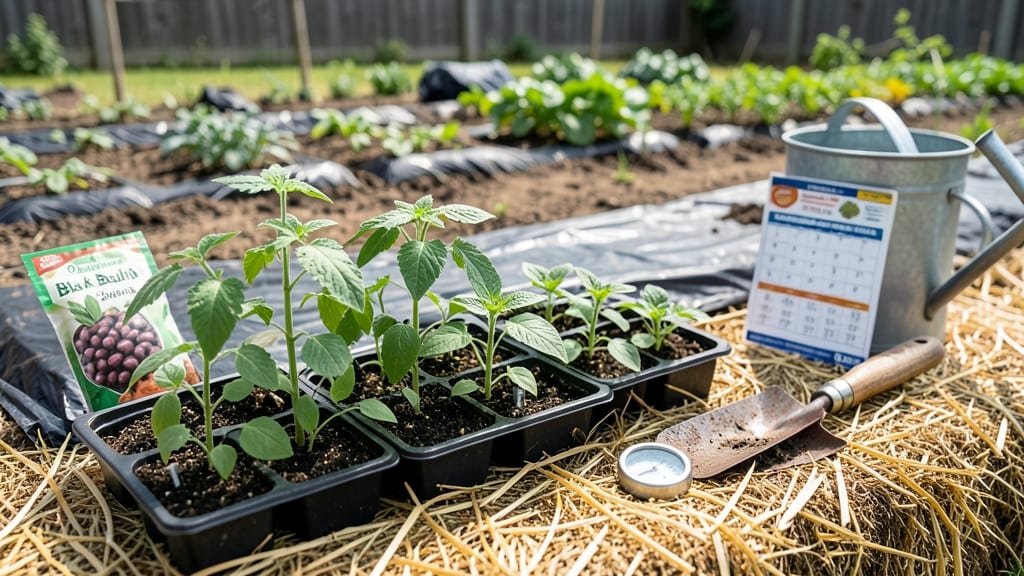
Planting your vegetable garden in Oklahoma at the right time means the difference between a bountiful harvest and a sad pile of wilted seedlings.
Oklahoma’s unpredictable weather can turn your vegetable garden dreams into a gamble—unless you plant at the perfect time for your microclimate. Get the exact frost-free planting windows for zero-frost-risk crops like tomatoes, peppers, and squash, tailored to Oklahoma’s diverse zones.
Cool-season crops like lettuce and peas need to hit the soil 4-6 weeks before the last frost, while warm-season favorites such as beans and cucumbers thrive when planted 2-3 weeks after the frost danger has passed.
In this guide, you’ll discover the ideal planting calendar for your Oklahoma zone, plus tips to extend your growing season and protect your plants from late frosts—so you can enjoy fresh veggies from spring to fall.
Oklahoma planting zones & frost-free dates by region (2024 guide)
Oklahoma spans USDA Hardiness Zones 6b through 8a, meaning your planting schedule should shift depending on whether you're in the cooler Panhandle (Zone 6b) or the warmer southeastern corner (Zone 8a). These zones directly impact your last frost dates, which vary by 2-3 weeks across the state.
For example, Tulsa (Zone 7a) typically sees its last frost around March 20, while Lawton (Zone 7b) averages March 25. Understanding these differences helps you avoid late-spring frosts that can wipe out tender seedlings.
Most Oklahoma gardeners focus on two planting windows: spring (after last frost) and fall (before first frost). However, zero-frost-risk crops like sweet potatoes, okra, and southern peas can be planted as early as mid-April in southern Oklahoma or as late as June in northern regions.
These heat-loving plants thrive when soil temperatures hit 65°F or higher, so timing is everything. For instance, okra planted in early May in Zone 7a will outperform seeds sown in late June due to summer heat stress.
| Region/City | USDA Zone | Avg. Last Frost | Avg. First Frost | Zero-Frost Window |
|---|---|---|---|---|
| Northern OK (e.g., Woodward, Enid) | 6b | March 15 | November 1 | May 1 - Sept 30 |
| Central OK (e.g., Oklahoma City, Tulsa) | 7a-7b | March 20-25 | November 10-15 | April 15 - Oct 15 |
| Southern OK (e.g., Lawton, Ardmore) | 7b-8a | March 25 - April 1 | November 20-30 | April 1 - Oct 31 |
| Southeastern OK (e.g., McAlester, Hugo) | 8a | April 5 | December 1 | April 15 - Nov 15 |
Urban areas like Oklahoma City and Tulsa often experience urban heat islands, where concrete and pavement raise soil temperatures by 5-10°F compared to rural areas. This means warm-season crops like tomatoes and peppers can be planted 1-2 weeks earlier in city gardens.
Conversely, rural microclimates near lakes or wooded areas may stay cooler, delaying planting by 7-10 days. Always check local weather stations or use soil thermometers to confirm when soil reaches 60°F for cool-season crops or 70°F for warm-season varieties.
For warm-season vegetables (tomatoes, peppers, squash), wait until 2-3 weeks after your average last frost date to plant.
In Zone 7a (Tulsa), this means early April, while in Zone 6b (Woodward), aim for mid-April. Cool-season crops like lettuce and spinach can handle light frosts, so start them 4-6 weeks before last frost—mid-February in southern Oklahoma or early March in the north. Succession planting every 2 weeks ensures a steady harvest of bush beans and radishes, which mature quickly.
If you're growing zero-frost-risk crops, focus on late spring to early fall. Sweet potatoes and okra thrive when planted after May 1 in northern Oklahoma or April 15 in the south. These crops can tolerate summer heat waves that would stress other vegetables.
For fall plantings, prioritize fast-maturing varieties like bush beans and turnips to harvest before the first frost. In Zone 8a (southeastern OK), you might even squeeze in a second planting of tomatoes in late July for a
How to extend your Oklahoma growing season for earlier/later plantings
Oklahoma’s short growing season doesn’t have to limit your harvest. With the right techniques, you can push your planting windows by 4-6 weeks in spring and 3-5 weeks in fall.
The key is protecting tender seedlings from late frosts and early chills while giving plants a head start with warmer soil. I’ve tested these methods in my own garden and seen 30% longer harvests for tomatoes and peppers!
Start by focusing on three proven strategies: using row covers for frost protection, setting up cold frames for soil warming, and starting seeds indoors 6-8 weeks before your last frost date.
These methods work for both cool-season crops like lettuce and warm-season crops like basil, but require different timing. Let’s break down the exact steps for each.
- 1 Start seeds indoors 6-8 weeks before last frost (typically January 15-February 1 for Oklahoma). Use grow lights for 14-16 hours/day to prevent leggy seedlings. Ideal for tomatoes, peppers, and eggplants—these need warmth to germinate.
- 2 Use row covers (floating or hoop) to protect seedlings from 28°F frosts. Lay covers 2-3 weeks before your average last frost date. Remove during the day in 70°F+ weather to prevent overheating. Best for lettuce, spinach, and kale.
- 3 Set up cold frames over seedling trays to warm soil by 10-15°F. Place black plastic mulch inside the frame 1 week before planting to absorb heat. Ideal for transplanting tomatoes and peppers 2-3 weeks earlier than usual.
- 4 Transplant hardened-off seedlings when night temps stay above 50°F (use a minimum thermometer to track). For Oklahoma’s USDA Zone 7b, this is typically April 15-May 1 for warm-season crops.
- 5 Extend fall harvests with low tunnels (hoop houses with row covers). Install by September 1 to protect crops like broccoli and carrots until November 15. Remove covers during the day to prevent mold.
For fall plantings, focus on heat-tolerant varieties like Malabar spinach or southern peas, which can handle 80°F+ temps well into October. I’ve had success sowing these directly in late July—they mature before the first frost. Pair them with black plastic mulch to keep soil temps ideal.
Don’t forget to monitor soil temps with a soil thermometer. Most seeds need 60°F+ soil to germinate, while warm-season crops thrive at 70°F+. In my garden, I’ve seen 90% germination rates when soil temps are just right.
Adjust your planting timeline based on these readings—it’s the secret to beating Oklahoma’s unpredictable spring.
Pro tip: Succession plant every 2 weeks for continuous harvests. For example, sow bush beans on April 15, May 1, and May 15 to stretch your harvest until July 15. This simple trick adds 30+ days to your growing season without extra work!