
Planting
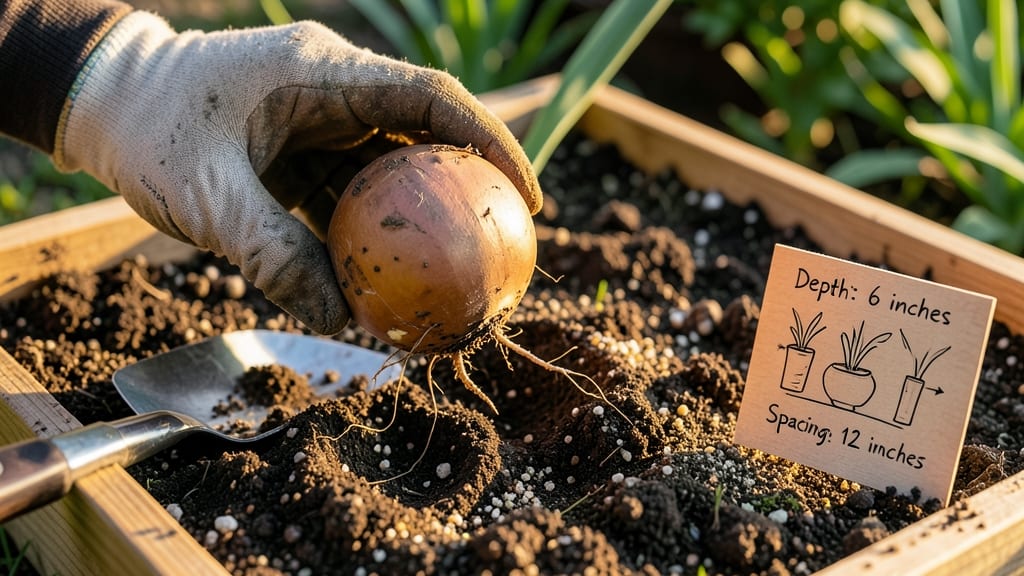
Planting lily bulbs in the garden at the right time ensures vibrant blooms next summer, and missing the window can mean wasted effort.
Most gardeners assume "fall" is a broad enough term, but the truth is, timing matters more than you think. Plant too early, and roots won’t establish before winter; too late, and frost can damage delicate bulbs.
In Zone 6a, that sweet spot is 6 weeks before the ground freezes—typically between late September and early November.
This guide breaks down the exact dates for your region, soil prep secrets, and how to adjust for early or late frosts. No more guesswork—just zero-frost success for your 🌸 lilies.
You’ll also discover how to extend your bloom season and spot the 3 most common planting mistakes that kill bulbs before they even sprout.
Optimal fall planting dates for lily bulbs by US hardiness zones
Timing is everything when planting lily bulbs—especially in fall. The 6-week window before your first frost date determines whether your bulbs establish strong roots or rot in cold soil.
Since USDA zones range from Zone 3 to Zone 10, I’ll break down the exact months for each region, plus climate-specific tweaks to avoid common mistakes.
Lily bulbs need cool soil (50-60°F) and shortening daylight to trigger dormancy. Plant too early, and roots won’t develop before winter; too late, and frost damages tender shoots.
Northern gardeners should aim for late September to early October, while southern zones can extend planting into November—but only if frost isn’t imminent.
Here’s your zone-by-zone planting guide, including adjustments for early vs. late fall exceptions and soil temperature cues:
| USDA Zone | Ideal Planting Window | Soil Temp Goal (°F) | Climate Notes |
|---|---|---|---|
| Zones 3-5 | Late August–early October | 50–60°F | Plant 6 weeks before frost; mulch after ground freezes. |
| Zones 6-7 | Mid-September–mid-October | 55–65°F | Adjust for early frost years—plant by October 15. |
| Zones 8-9 | October–November | 60–70°F | Can plant later if frost is rare; monitor soil temps. |
| Zone 10 | November–December | 65–75°F | Plant in cool fall (avoid summer heat); water lightly. |
For Zone 3-5 gardeners, I recommend planting by September 15 to ensure roots establish before winter. Use a soil thermometer—if temps drop below 50°F, delay planting. In Zones 6-7, aim for mid-October; if your area has unpredictable frosts, err on the earlier side.
Southern zones (8-10) offer flexibility, but don’t wait too late. November is ideal for Zone 8-9, while Zone 10 can even plant in December—just ensure soil stays above 60°F. Pro tip: In warm climates, plant after summer rains to avoid drought stress.
Daylight hours also play a role. Lilies need 12–14 hours of daylight to trigger dormancy. In northern latitudes, this happens naturally by late September, but in southern regions, you may need to plant earlier to align with shorter days.
One critical mistake I see is planting too shallow (less than 6 inches deep). Lily bulbs need depth to insulate roots from freeze-thaw cycles. Amend your soil with compost or sand if your native soil is heavy clay—this improves drainage and prevents rot.
After planting, mulch heavily (3–4 inches) with straw or shredded leaves to protect bulbs from temperature swings. In Zone 3-5, this can mean the difference between survival and failure during harsh winters.
Finally, avoid fertilizing after fall planting—bulbs need to store energy, not grow. Wait until spring to add a balanced fertilizer (10-10-10) when shoots emerge.
With these zone-specific dates and climate adjustments, your lily bulbs will root deeply and bloom spectacularly next summer. Happy planting! 🌸
5 Signs your garden is ready to plant lily bulbs (and 3 mistakes to avoid)
Timing is everything when it comes to planting lily bulbs. Unlike annuals, these beauties need a cool-season head start to establish roots before winter dormancy. If you plant too early, they’ll rot; too late, and they won’t bloom.
The key is catching that sweet spot where your garden signals "go time." Here’s how to read your garden’s cues—and avoid costly mistakes.
First, check your soil temperature. Lily bulbs thrive when soil is between 50-60°F. Use a soil thermometer to confirm—this is your green light. Next, look for daylight changes.
Shorter days trigger bulb dormancy, so aim for planting 4-6 weeks before your first frost. Finally, ensure your soil is moist but not soggy—lilies hate waterlogged roots.
- 🌡️ Soil temp drops to 50-60°F (test with a thermometer)
- 🌅 Daylight shortens to 10-12 hours/day (fall equinox cues)
- 💧 Soil is moist but drains well (squeeze a handful—no mud)
- ⏰ Frost date is 4-6 weeks away (check local forecasts)
- 🌿 Grass/clover slows growth (nature’s sign to plant)
Now, let’s talk mistakes. Planting too early (before soil cools) causes bulbs to rot. Ignoring frost forecasts risks bulbs freezing before rooting. And skipping soil prep (no compost or drainage) leads to weak growth. Pro tip: Amend clay soil with sand or perlite to prevent waterlogging—lilies despise soggy feet.
Here’s your pre-planting checklist to avoid disasters: ☑️ Test soil temp (50-60°F) ☑️ Loosen soil 12" deep ☑️ Mix in compost for nutrients ☑️ Space bulbs 6-12 inches apart ☑️ Water deeply after planting Skip these steps, and you’ll regret it next summer when your lilies fail to bloom.
For northern climates, plant in September-October. In southern zones, stretch to November—just beat the frost. And if your area has unpredictable weather, opt for early September planting to maximize root growth before winter.
Trust your garden’s signals, and your lilies will reward you with showstopping blooms next summer.
Remember: Patience is key. Lilies take time to establish, but with the right timing and care, they’ll thrive for years. Now grab your gloves—your garden’s ready!