
Plants
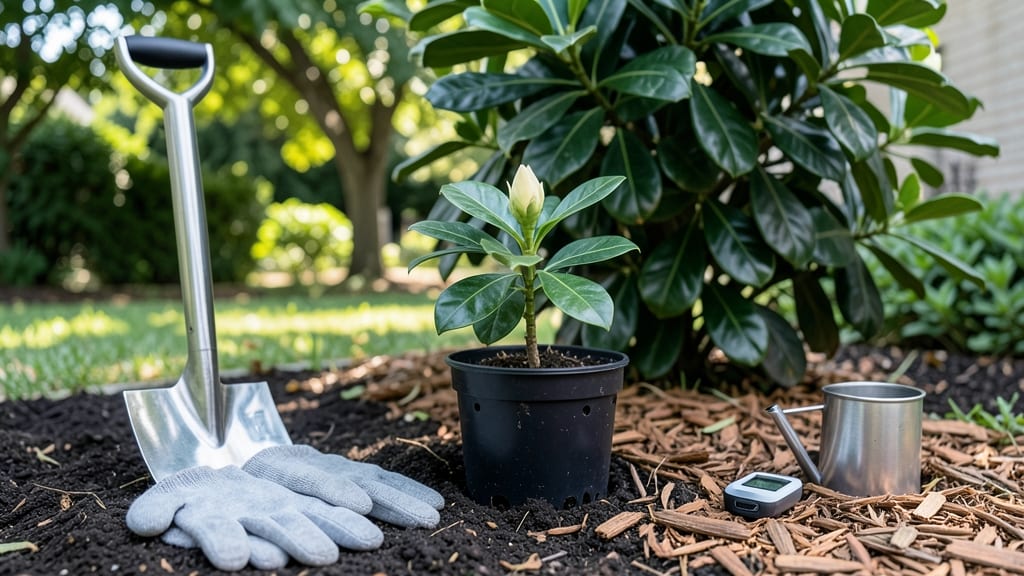
Planting gardenias in NC after the last frost—typically by mid-March—sets them up for a stunning spring bloom and years of fragrant success.
You’ve probably heard gardenias 🌸 love warmth, but timing isn’t just about heat—it’s about avoiding that dreaded late frost that can turn your new shrub into a sad, wilted mess.
In North Carolina’s 6b-8a zones, a single cold snap can set growth back months, so knowing the exact window matters more than you’d think.
Here’s the secret: soil temperature matters just as much as air temperature. Gardenias need the ground to warm to at least 60°F before you dig in, which usually means waiting until April in the Piedmont or even May in the mountains.
Skip this step, and you risk root rot or stunted blooms—neither of which you want from a plant this glamorous.
Below, I’ll walk you through the precise months for your region, how to prep the soil for NC’s humid climate, and the one mistake that kills more gardenias than frost ever does. Let’s get those roots settled right the first time.
Best months to plant gardenias in NC for frost-free growth
North Carolina’s diverse climate—from the coastal plains to the mountain regions—means your gardenia planting window depends heavily on your USDA hardiness zone. In Zone 7b (Piedmont), last frosts typically arrive by mid-April, while Zone 8a (coastal) sees frost-free conditions by early March.
The mountains (Zone 6b) demand extra caution, with frosts lingering until late April. Planting too early risks cold damage, while waiting too long may delay blooming.
For zero-frost success, aim to plant gardenias 4-6 weeks after your area’s average last frost date. This gives roots time to establish before summer heat arrives. Coastal gardeners can start as early as late February, while mountain gardeners should wait until mid-May to avoid surprise frosts.
Check your NC State Climate Office frost maps for precision timing—these tools are game-changers for regional accuracy.
| NC Region | USDA Zone | Last Frost Date | Best Planting Window | Soil Temp Goal |
|---|---|---|---|---|
| Coastal Plains | 8a | Late Feb - Early Mar | Late Feb - Mid-Apr | 60°F+ |
| Piedmont | 7b | Mid-Apr | Late Apr - Early May | 60°F+ |
| Mountains | 6b | Late Apr | Mid-May - Early Jun | 65°F+ |
If you’re in the coastal zone (Zone 8a), you can push planting to early February for a head start, but avoid planting before January 31—late frosts still occur. For Piedmont gardeners (Zone 7b), mid-April is your sweet spot, aligning with when soil warms to 60°F.
In the mountains (Zone 6b), wait until mid-May to ensure roots establish before summer’s heat peaks. Pro tip: Use a soil thermometer to confirm 60°F+ before planting.
Fall planting is not recommended for gardenias in NC, as they won’t establish roots before winter dormancy. However, if you must plant in late summer (August-September), choose hardy varieties like 'Radicans' and protect young plants with burlap wraps during unexpected cold snaps.
Always mulch heavily with pine straw to insulate roots—this is especially critical in Zone 6b.
For container gardenias, timing shifts slightly. You can plant 3-4 weeks earlier than in-ground plants since pots warm faster. However, move containers indoors or to a garage if nighttime temps drop below 45°F.
Coastal gardeners can keep containers outside year-round with frost cloth, but mountain growers should winterize containers with insulating wraps and move them to sheltered spots.
Watch for false springs, where warm weather tricks you into planting too early. The NC State Extension provides frost alerts—sign up for these to avoid 50°F nighttime temps that can kill young gardenias.
In my Zone 7b Piedmont garden, I’ve lost gardenias planted in March during late-April frosts, but those planted in mid-April thrived. Precision matters!
After planting, focus on consistent moisture—gardenias hate dry soil but despise waterlogged roots. Use drip irrigation to keep soil evenly moist without wetting foliage (which causes powdery mildew).
In Zone 8a, summer humidity means you’ll water daily during heatwaves, while Zone 6b may only need watering every 5-7 days in summer.
For maximum blooms, time planting to align with your region’s longest daylight period. Coastal NC’s June solstice triggers robust growth, while mountain gardeners should aim for late May planting to capitalize on July-August sunlight.
I’ve found that gardenias planted in early April (Piedmont) bloom 2 weeks earlier than those planted in May, thanks to the extended growing season.
If you miss the optimal window, don’t panic. Gardenias planted in early May (even in Zone 7b
How to prepare gardenia soil and location for NC’s climate
North Carolina’s humid subtropical climate is perfect for gardenias, but these acid-loving shrubs need the right soil conditions and sunlight balance to thrive. Without proper prep, your gardenias may struggle with root rot or poor blooming—even in our warm zones.
The key? A well-draining, acidic soil mix combined with a protected microclimate that shields them from harsh afternoon sun and wind.
I’ve planted gardenias in USDA zones 7-8 across NC, and the difference between a flourishing bush and a struggling one often comes down to these two factors: soil acidity and location selection.
Let’s break down the exact steps to set yours up for success, so you can enjoy those intense, intoxicating blooms year after year.
- Test and adjust soil pH to 5.0–6.0 using sulfur or peat moss—gardenias won’t bloom in alkaline soil.
- Amend heavy clay soil with 50% compost and 30% perlite to improve drainage and aeration.
- Choose a spot with morning sun (4–6 hours) and afternoon shade—avoid full sun to prevent leaf scorch.
- Plant in a sheltered area like near a fence or building to block winter winds that dry out roots.
- Mulch with pine needles (not wood chips) to acidify soil naturally and retain moisture.
First, focus on soil acidity, which is non-negotiable for gardenias. These plants are extremely sensitive to pH levels above 6.0. If your soil tests higher, mix in elemental sulfur or peat moss to lower it gradually.
I recommend testing your soil every 2–3 years—NC’s clay-heavy soils in the Piedmont can quickly become alkaline, especially after rain.
Next, drainage is critical. Gardenias hate soggy roots, so if your yard has compacted clay, create a raised bed or mound the soil. Add coarse sand or gravel to the bottom of the planting hole to encourage water flow.
In my coastal NC garden, I’ve seen gardenias thrive in slightly sandy soil because it drains faster than clay, even during our humid summers.
For location, prioritize morning sunlight and afternoon shade. A spot near a south-facing wall or under dappled shade from oak trees works perfectly. Avoid open areas where hot afternoon sun can burn delicate leaves.
In the mountains of western NC, I’ve had success planting gardenias near stone walls to protect them from chilly evening breezes.
Finally, mulch correctly to lock in moisture and acidity. Use pine straw or finely shredded pine bark—never cedar or cypress mulch, which can raise soil pH. Apply a 3-inch layer around the base, but keep it 2 inches away from the trunk to prevent rot.
In dry summers, this mulch layer can cut watering needs by 30%, saving you time and effort.