
Tools
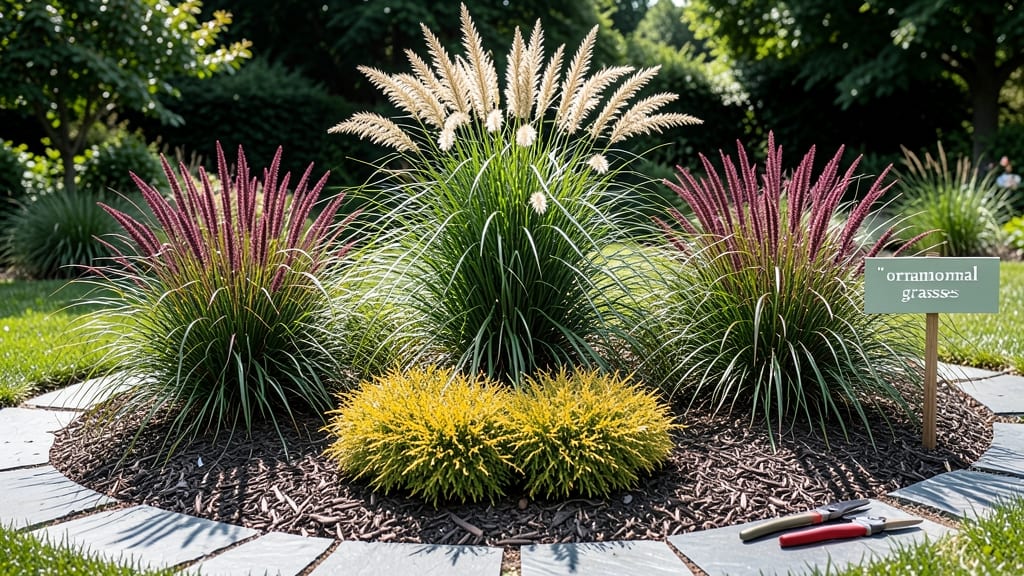
Transforming your small yard with mound garden bed ideas can turn tight spaces into thriving, functional gardens that save water and reduce back strain.
Picture this: a space-saving design that fits snugly into a corner, slopes gently for easy access, and still grows tomatoes taller than your head. The best part? No more digging, no more muddy knees, and plants that thrive with better drainage than flat beds ever could.
Whether you’re dreaming of a cottage-style herb spiral, a modern tiered planter, or a simple vegetable mound for your kitchen, these layouts work for any yard size in zone 6a.
I’ll walk you through 7 proven designs, from circular beds that hug curves to sloped mounds that prevent soil erosion while keeping your back happy.
Ready to ditch the flat garden and build something that actually works? You’ll learn how to prep soil, pick the right materials, and layer plants by height—so your mound doesn’t just look good, it grows like a dream.
7 Creative mound garden bed layouts for small yards
Small yards don’t mean small gardens—elevated mound garden beds transform tight spaces into lush, productive growing areas while improving drainage and accessibility. These designs maximize square footage by utilizing vertical space and creative shapes that fit snugly into corners or along fences.
Whether you're growing vegetables, herbs, or flowers, these layouts offer both functionality and visual appeal.
One of the biggest advantages of mound garden beds is their versatility. They can be built with natural materials like soil and rocks or constructed with wooden frames for a polished look. The key is to choose a design that complements your yard’s layout while meeting your gardening needs.
Below, I’ll share 7 space-saving layouts that work beautifully in small spaces, from circular designs to tiered mounds and spiral patterns.
Comparison Table: Mound Garden Bed Layouts for Small Yards
| Layout Type | Best For | Space Needs | Materials | Maintenance |
|---|---|---|---|---|
| Circular Raised Bed | Herbs, flowers, small veggies | 3' diameter | Wood, cedar, or stone | Low (easy access) |
| Spiral Mound | Perennials, shrubs, pollinators | 4' x 4' base | Soil, rocks, mulch | Medium (watering challenges) |
| Tiered Steps | Vegetables, cascading plants | 5' x 3' (3 tiers) | Stone, brick, or wood | High (drainage management) |
| Corner Triangle | Compact veggies, strawberries | 2' x 2' right angle | Soil, landscape fabric | Low (minimal upkeep) |
| Half-Moon Arch | Climbing plants, vines | 4' x 2' semi-circle | Bamboo, trellis, soil | Medium (pruning needed) |
| Keyhole Design | Composting, perennial herbs | 5' x 5' with compost hub | Wood, compost bin | Medium (compost turnover) |
| Sloped Rectangle | Vegetables, row crops | 6' x 2' (angled) | Wood or metal edging | Low (drainage-friendly) |
First up is the circular raised bed, a classic choice for small spaces. This design fits perfectly in a corner or along a fence, offering easy access from all sides. It’s ideal for growing herbs, small vegetables, or flowers like lettuce, radishes, and marigolds.
The circular shape also creates a natural focal point in your garden. Use cedar wood or stone borders to build it, ensuring the height is comfortable for your back—typically 12 to 18 inches.
The spiral mound is another stunning option, especially for perennial plants and pollinator-friendly flowers. This layout mimics the natural growth patterns of plants, with taller varieties like lavender or rosemary placed at the center and shorter plants like thyme or sage cascading outward.
The spiral shape also creates a sense of movement and draws the eye, making it a great choice for landscaping.
If you love the idea of tiered gardens but lack the space for a full staircase, try tiered steps. This design works wonders for growing vegetables like tomatoes
How to build a low-maintenance mound garden bed in 5 steps
A mound garden bed is a game-changer for small spaces—it boosts drainage, reduces weeds, and creates a stunning visual focal point. Unlike traditional in-ground beds, mounds elevate your plants while requiring less bending and better soil control.
Whether you’re growing vegetables, herbs, or ornamental flowers, this method works year-round with minimal upkeep.
Before diving in, pick your materials: cedar wood resists rot, while stone borders offer a natural, long-lasting look. For slopes, aim for a gentle incline (1:4 ratio)—steeper angles risk erosion. Start with a clear design to ensure proper plant height zoning and sunlight access for all layers.
Step-by-Step Mound Garden Bed Guide
-
Step 1: Choose Your Location
Select a sunny spot (6+ hours of light) with good drainage. Avoid low areas where water pools. Mark your mound’s footprint with stakes and string for precision.
-
Step 2: Build the Base
Layer cardboard or landscape fabric to block weeds, then add 4-6 inches of gravel for drainage. For wood borders, use rot-resistant cedar or composite lumber.
-
Step 3: Create the Mound Shape
Pile native soil mixed with compost (2:1 ratio) into a rounded or sloped mound, 12-18 inches tall. Compact lightly to prevent settling. Add organic matter like leaf mold for fertility.
-
Step 4: Add Edging & Mulch
Secure borders with landscape staples or stone edging. Top with 3 inches of mulch (straw or wood chips) to retain moisture and suppress weeds. Leave a 2-inch gap around plants.
-
Step 5: Plant with Height Zoning
Place tall plants (rosemary, lavender) at the back, mid-height (tomatoes, peppers) in the middle, and ground covers (strawberries, thyme) at the front. Water deeply after planting.
💡 Pro Tip: Add a drip irrigation system to automate watering and save time!
Once your mound is built, maintenance is a breeze. Water deeply 2-3 times per week (adjust for heat), and fertilize lightly every 6 weeks during the growing season.
The elevated design keeps soil warmer longer in spring, giving you a longer growing season for cool-weather crops like lettuce and spinach.
For a modern touch, use sleek stone borders and pair plants with succulents or ornamental grasses. Cottage gardeners can mix old-world charm with climbing roses and colorful annuals. No matter your style, mounds add vertical interest while making gardening accessible and fun.
Start small with a 3x3-foot mound to test your design. Once you see how your plants thrive, expand with multiple beds or a spiral layout for year-round beauty and harvests. Happy building—your garden (and back!) will thank you.