
Planting
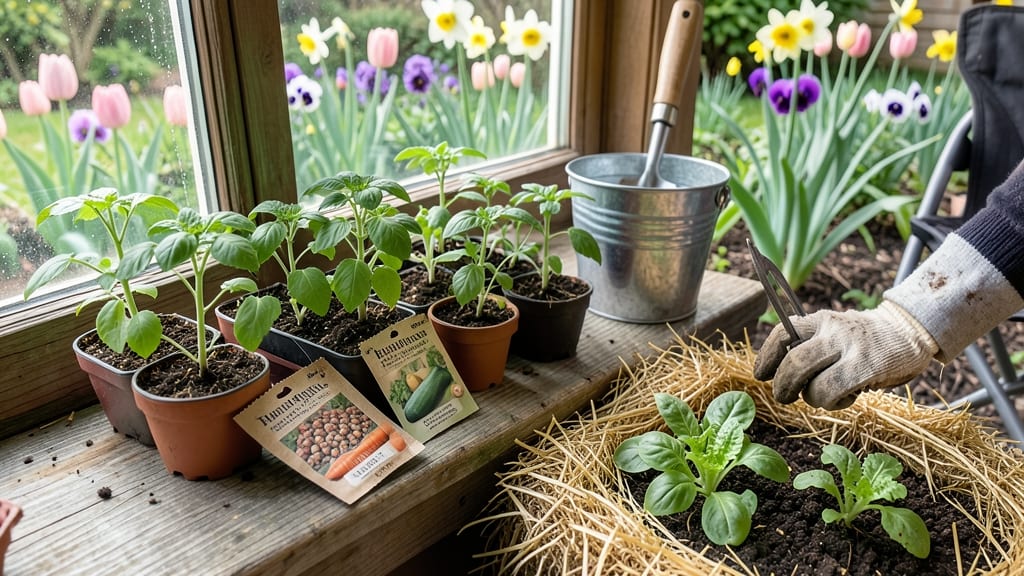
Planting your garden in Pennsylvania at the right time means the difference between a bountiful harvest and a frost-killed disappointment.
Pennsylvania’s unpredictable springs can turn a gardener’s excitement into frustration—unless you know the exact planting deadlines for your Zone 6B climate. Miss the window, and frost will ruin your hard work; time it right, and you’ll enjoy a thriving garden from early summer to fall.
Most gardeners in Zone 6B wait until after the average last frost date—around April 15—but the best crops to plant first depend on whether they love cool weather or need warmth to thrive.
Below, I’ll break down the month-by-month schedule for vegetables, flowers, and herbs, plus how to adjust for late frosts or early heat waves so your garden stays on track all season.
Pennsylvania zone 6B planting deadlines by crop type
Pennsylvania’s Zone 6B climate offers a 165-day growing season, but timing is everything. In Pittsburgh, Harrisburg, and State College, the average last frost arrives around April 15, while the first frost typically hits October 15.
These dates shift slightly based on elevation and microclimates—urban areas like Pittsburgh may warm up faster than rural State College. Knowing your exact planting deadlines ensures your tomatoes, peppers, and herbs thrive without frost damage.
Cool-season crops like spinach and kale can handle light frosts, but warm-season plants like eggplants and squash need soil temperatures above 60°F to germinate.
For herbs such as basil, wait until the soil warms consistently—usually late May in most of Zone 6B. Even a 10°F swing can delay planting by weeks, so monitor local forecasts from the Penn State Ag Weather Network.
Regional adjustments matter: Harrisburg’s warmer valleys may allow tomatoes to be planted 2 weeks earlier than colder hilltops near State College. Use row covers to extend your spring planting window by 3–4 weeks if frost threatens. For fall crops, start broccoli or carrots 6 weeks before your expected first frost for a second harvest.
For warm-season crops, tomatoes and peppers are particularly sensitive to frost. In Pittsburgh, plant transplants after May 1 to avoid late-spring frosts, which can blacken leaves overnight.
If you’re eager to start earlier, use biodegradable pots and row covers to protect seedlings until the soil warms. Bush beans and radishes, however, are fast growers—they can be sown as early as April 15 in most of Zone 6B and still mature before summer heat sets in.
Herbs like basil and dill demand consistent warmth, so don’t rush them into cold soil.
I’ve learned the hard way that planting basil in May is safer than April, even if the weather looks promising. Cilantro, on the other hand, bolts in heat, so I plant it in early spring and fall for
How to adjust planting times for Pennsylvania’s unpredictable weather patterns
Pennsylvania’s Zone 6B climate delivers 165 frost-free days, but late springs and early frosts can disrupt even the best-laid plans. I’ve learned the hard way that rigid planting schedules don’t work here—flexibility is key.
By using season extenders and frost-tolerant varieties, you can push your garden’s productivity well beyond the traditional windows. The secret lies in monitoring local frost forecasts and adjusting timelines with a 4-week buffer for late springs.
Start by identifying your microclimate—urban areas like Philadelphia often warm up faster than rural zones near State College. I recommend checking the Penn State Ag Weather Network weekly for 10-day forecasts.
Their frost probability maps show exactly when to hold off on planting warm-season crops like tomatoes or peppers. For example, if their forecast predicts a 30% frost chance after May 15, delay planting until June 1—better safe than sorry!
Here’s how I adjust my planting schedule using proven strategies:
- 1. Start cool-season crops indoors 6-8 weeks before your average last frost (April 15). Spinach, kale, and peas thrive in 40-50°F soil and can handle light frosts.
- 2. Use row covers to extend spring planting by 2-3 weeks. Lightweight fabric traps heat and protects seedlings from 28°F temperatures. I’ve successfully planted cabbage and broccoli under covers in early April.
- 3. Plant fast-maturing varieties (under 60 days) for late starts. Radishes (25 days), bush beans (50 days), and bok choy (30 days) are my go-tos when spring runs late.
- 4. For warm-season crops, wait until soil hits 60°F (use a soil thermometer). In my garden, this often means delaying tomatoes until mid-May instead of early April.
- 5. Use the 4-week buffer rule: If your last frost is April 15, don’t plant frost-sensitive crops before May 15. This accounts for late-season cold snaps that can still occur in Zone 6B.
Don’t forget about fall planting—another opportunity to squeeze extra harvests from your garden. Start cool-season crops again in early August for a September-October harvest. I plant spinach and carrots in late August, and they thrive until the first hard frost in October.
Use black plastic mulch to warm the soil and extend the season by another 2-3 weeks.
To stay ahead of Pennsylvania’s unpredictable weather, I keep a garden journal tracking frost dates, soil temperatures, and planting outcomes. Each year, I adjust my schedule based on what worked (or didn’t).
For example, after a late-May frost in 2022, I switched to frost-tolerant tomato varieties like ‘Mountain Merit’ and ‘Stupice’—now they’re staples in my garden. With these strategies, you’ll turn Pennsylvania’s challenging climate into an advantage.