
Planting
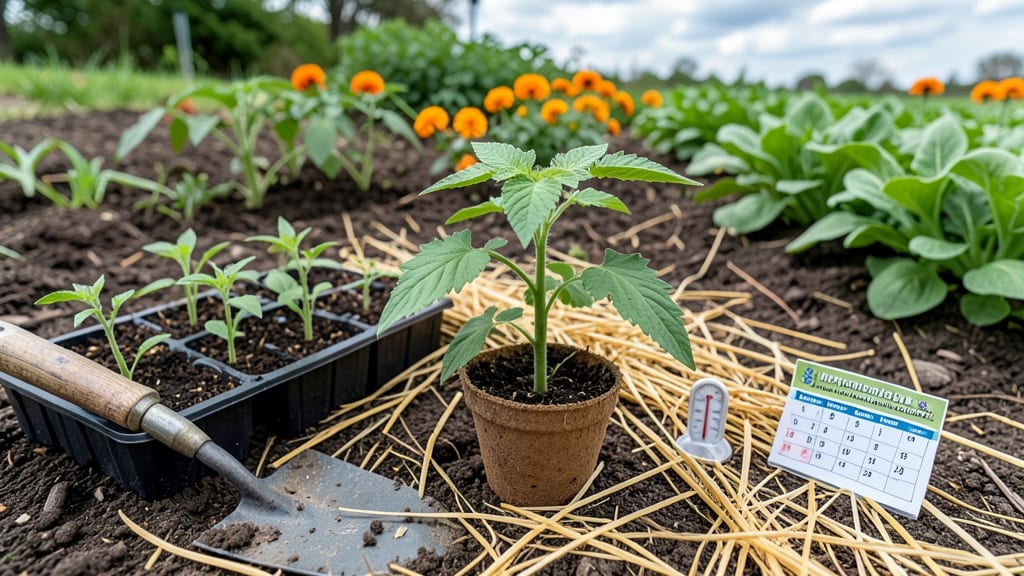
Planting a garden in Pennsylvania at the right time can turn a 50-day harvest window into a 150-day bounty—if you time it with the frost dates.
Picture this: You’ve prepped the soil, ordered seeds, and cleared your schedule for weekends in the dirt—only to watch your tomatoes bolt in the heat or your peas freeze before they mature.
That’s the difference between a Zone 6b garden thriving in early May and a Zone 7a one pushing its luck until July.
Here’s the secret: Pennsylvania’s 150–200 frost-free days mean cool-season crops like spinach and peas belong in the ground by early April, while warm-season stars like tomatoes and peppers wait until after April 15—or risk a late frost turning your hard work into confetti.
Below, I break down the exact planting windows by zone, when to start seeds indoors, and how to stretch your season with row covers—so you’re harvesting long after your neighbors have given up.
Pennsylvania frost dates by Zone 6b & 7a: when to plant cool vs warm season crops
Understanding Pennsylvania’s frost dates is critical for gardeners in Zone 6b and Zone 7a. These zones experience different frost timelines, which directly impact when you can plant cool-season crops like spinach and peas versus warm-season crops like tomatoes and peppers.
In Zone 6b, the last spring frost typically arrives around April 20, while Zone 7a enjoys a slightly later window, often May 1. The first fall frost hits Zone 6b around October 15, while Zone 7a may delay until October 30.
This variation means gardeners in Zone 7a have an extended growing season, allowing for second plantings of warm-season crops like beans and cucumbers. Meanwhile, Zone 6b gardeners must work faster to fit in a full harvest before the first frost.
For example, basil and squash thrive in Zone 7a’s longer heat but may struggle in Zone 6b’s shorter window unless started indoors or under row covers.
Here’s a quick reference for planning your garden:
| Zone | Last Frost Date | First Frost Date | Cool-Season Crops | Warm-Season Crops |
|---|---|---|---|---|
| Zone 6b | April 20 | October 15 | Spinach, Peas, Lettuce (March-May) | Tomatoes, Peppers (May 15-June 15) |
| Zone 7a | May 1 | October 30 | Spinach, Kale, Broccoli (March-June) | Tomatoes, Eggplant (May 1-July 1) |
| Both Zones | N/A | N/A | Radishes, Arugula (Fall: Aug-Sept) | Green Beans, Cucumbers (June-Aug) |
For cool-season crops, start seeds indoors in late winter (February) or direct sow in early spring. In Zone 6b, peas and spinach can handle light frosts, but lettuce may bolt if planted too early.
Zone 7a gardeners can push the envelope further, sowing broccoli and cabbage as late as early June for a fall harvest.
Warm-season crops like tomatoes and peppers need consistent warmth to thrive. In Zone 6b, wait until after May 15 to transplant seedlings, while Zone 7a gardeners can start as early as April 30.
If you’re eager to grow eggplants or okra, Zone 7a’s longer season gives you a better chance for success. In both zones, use row covers to extend the season for heat-loving plants.
Succession planting is key for maximizing your harvest. In Zone 6b, plant bush beans and zucchini every 2 weeks from May to July. Zone 7a gardeners can stretch this to August, allowing for a second round of cucumbers and summer squash.
Always check your local microclimate—valleys and low-lying areas may experience frost 1-2 weeks earlier than hilltops.
Don’t overlook fall planting for cool-season crops. In Zone 6b, sow spinach and radishes by August 15 for a harvest before the first frost. Zone 7a gardeners can push this to September 15, giving you time for kale and carrots.
Use straw mulch to protect young plants from early frosts and retain soil moisture.
If you’re new to gardening in Pennsylvania, start with cold-hardy crops like peas and lettuce to build confidence. Once you’ve mastered the timing, experiment with warm-season favorites like tomatoes and peppers.
Keep a garden journal to track your frost dates and adjust future plantings accordingly. With the right timing, you’ll enjoy a bountiful harvest from spring through fall!
🌱
Best monthly planting schedule for Pennsylvania gardens: Zone-specific tips
Pennsylvania’s diverse climate—spanning USDA Zones 6b in the north to Zone 7a in the south—means your planting schedule should adapt to local frost dates and microclimates. Zone 6b gardeners (like those in Pittsburgh or Erie) have shorter growing seasons, while Zone 7a (Philadelphia, Harrisburg) can squeeze in extra harvests.
The key? Succession planting and knowing when to start seeds indoors versus direct sowing outdoors.
For cool-season crops like lettuce, spinach, and peas, I start seeds indoors in late February for Zone 7a or early March for Zone 6b. These can handle light frosts and even thrive in 50°F soil.
Meanwhile, warm-season crops like tomatoes, peppers, and basil need to wait until after the last frost date—typically mid-April to early May—and benefit from a 2-3 week head start indoors.
Here’s my month-by-month breakdown for direct sowing and transplanting, tailored to Pennsylvania’s zones:
- 1 March: Start cool-season seeds indoors (lettuce, kale, onions). Harden off transplants by mid-March for Zone 7a.
- 2 April: Direct sow peas, spinach, radishes (Zone 6b: wait until late April). Transplant broccoli, cabbage after soil warms to 45°F.
- 3 May: Plant warm-season crops (tomatoes, peppers, beans) after last frost (Zone 7a: mid-May; Zone 6b: late May). Succession plant lettuce every 2 weeks for continuous harvests.
- 4 June: Sow carrots, beets, cucumbers for summer harvests. Start fall broccoli indoors in late June for Zone 7a.
- 5 July: Direct sow fall crops (kale, turnips, radishes) for late-summer harvests. Harvest early beans and replant bush beans for a second crop.
- 6 August: Plant garlic for next year’s harvest. Succession sow spinach, arugula for fall. Protect tender crops with row covers if frost threatens.
- 7 September: Last chance for cool-season crops (Zone 7a: late September; Zone 6b: early September). Plant cover crops (clover, vetch) to protect soil.
For herbs like basil and cilantro, I use succession planting every 3-4 weeks from May through July. Basil, in particular, bolts quickly in Zone 7a’s heat, so I replace it with shiso or Thai basil for a longer harvest.
In Zone 6b, I opt for hardier herbs like oregano and thyme, which thrive even in cooler summers.
Pro tip: Use frost-free dates as your guide—most Pennsylvania gardens enjoy 150-200 frost-free days. For extended harvests, I plant cold-hardy greens like kale and Swiss chard in late summer for a fall/winter crop. These can survive light frosts and even taste sweeter after a 20°F dip!
Adjust your schedule based on microclimates—south-facing beds warm up faster, while shady spots may need earlier plantings. Keep a gardening journal to track what works best in your specific corner of Pennsylvania. Happy planting! 🌱