
Planting
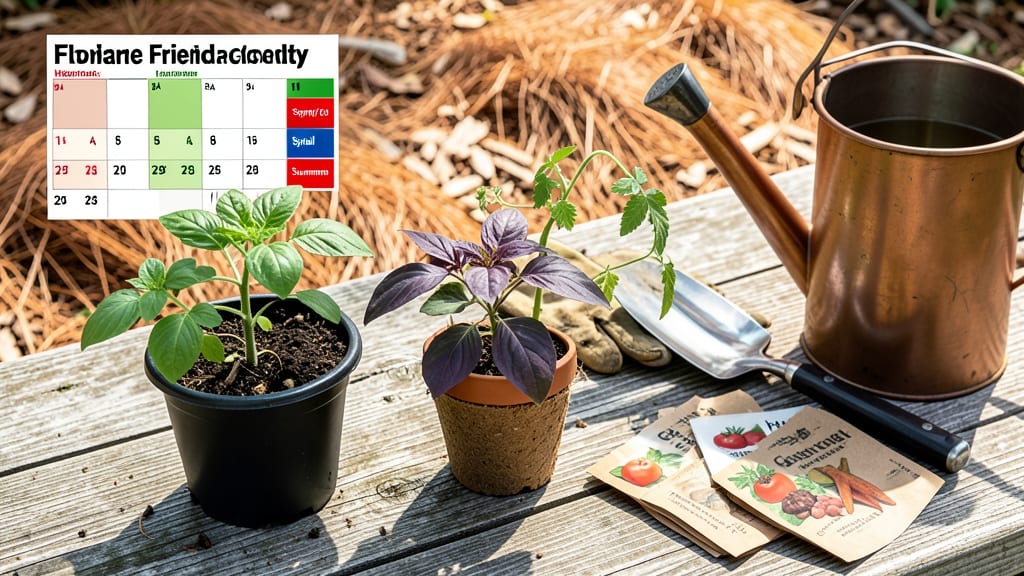
Planting a garden in Florida means you can grow almost anything year-round—but timing still makes all the difference 🌱.
Miss the sweet spot, and your tomatoes could bolt in the heat or your greens wilt before they mature. Florida’s frost-free zones (from 8a in the Panhandle to 11 in the Keys) mean your county’s last frost date isn’t just a number—it’s your planting deadline.
Below, I break down the 2024 frost-free calendar by region, so you know exactly when to plant warm-season crops (like peppers and squash) vs. cool-season staples (broccoli and carrots).
You’ll also discover how to adjust for Florida’s quirks—hurricane delays, sudden cold snaps, and soil that stays warm long after spring arrives.
Florida’s frost-free planting zones: when to start vegetables by county
Florida’s frost-free growing seasons vary dramatically from the panhandle’s chilly winters to the Keys’ year-round warmth. Unlike northern states, Florida gardeners don’t need to wait for spring—just the right microclimate timing.
North Florida’s last frost dates (typically mid-January) create a spring planting rush, while South Florida’s frost-free zones allow year-round cultivation with heat-tolerance adjustments.
Understanding your USDA zone (8a-11) and county-specific frost dates is key. For example, Jacksonville (Zone 8b) has a March 15 last frost, while Miami (Zone 11) never freezes.
This means cool-season crops like broccoli and carrots thrive in fall/winter up north but can grow year-round in South Florida with shade cloth during summer’s 90°F+ heat.
Here’s your county-by-county planting guide, including warm-season vs. cool-season windows and heat-tolerant varieties to beat Florida’s humidity. Use this as your 2024 frost-free calendar to avoid bolt-and-burn disasters with heat-sensitive greens.
🌱
For warm-season crops like tomatoes, peppers, and squash, North Florida gardeners should start
Best months to plant Florida-friendly crops: a seasonal guide by type
Florida’s year-round growing season means you can enjoy fresh produce almost anytime—but timing still matters for heat-tolerant crops like okra and sweet potatoes versus cool-season favorites such as kale and radishes.
Unlike northern gardens, Florida’s short cool periods (fall/winter) require quick action, while summer heat demands shade-loving or drought-resistant varieties. Let’s break down the best months to plant by crop type, including succession planting tips and container gardening hacks for small spaces.
For warm-season crops (think tomatoes, peppers, and cucumbers), the ideal window is after your last frost—typically March in North Florida and year-round in South Florida.
Meanwhile, cool-season crops like lettuce and broccoli thrive in Florida’s fall and winter months, but you’ll need to act fast before temperatures climb again. Below, I’ve outlined a month-by-month guide to help you plan your garden for maximum yields.
Plant kale, spinach, and radishes in North Florida (after frost risk passes). Use row covers to extend the season. In South Florida, focus on herbs (basil, cilantro) and cool-tolerant greens like Swiss chard.
Time for tomatoes, peppers, and squash! Start seeds indoors in North Florida (transplant after April 15) or direct-sow in South Florida. Use shade cloth for seedlings to prevent heat stress.
Replace early okra and sweet potato harvests with new seedlings. Container gardens are perfect for heat-loving crops like eggplant—just ensure pots have drainage holes and use mulch to retain moisture.
Shift to heat-resistant varieties like Malabar spinach or yam beans. Avoid planting leafy greens—they bolt quickly. Instead, try container gardening with peppers or basil near patios for easy access.
Plant broccoli, carrots, and turnips for a winter harvest. Use black plastic mulch to warm soil and speed up germination. In South Florida, this is your last chance for cool-season crops before heat returns.
Focus on harvesting and soil prep. Plant winter radishes or green onions in North Florida. In South Florida, keep herbs and citrus thriving with light fertilizing and regular watering.
For container gardening, Florida’s heat and humidity mean drainage is critical. Use self-watering pots for herbs and fabric grow bags for tomatoes to prevent root rot. Succession planting every 2-3 weeks ensures a steady harvest—especially for fast growers like bush beans or radishes.
And don’t forget: shade cloth (30-50%) can save your seedlings from midday sunburn during peak summer months.
Pro tip: If you’re in North Florida, keep an eye on microclimates—your backyard might be 5°F warmer than the official county average. Use frost blankets in winter to protect tender crops like collard greens, and mulch heavily in summer to retain moisture.
With this schedule, you’ll enjoy fresh produce year-round—no matter where you garden in the Sunshine State! 🌱