
Planting
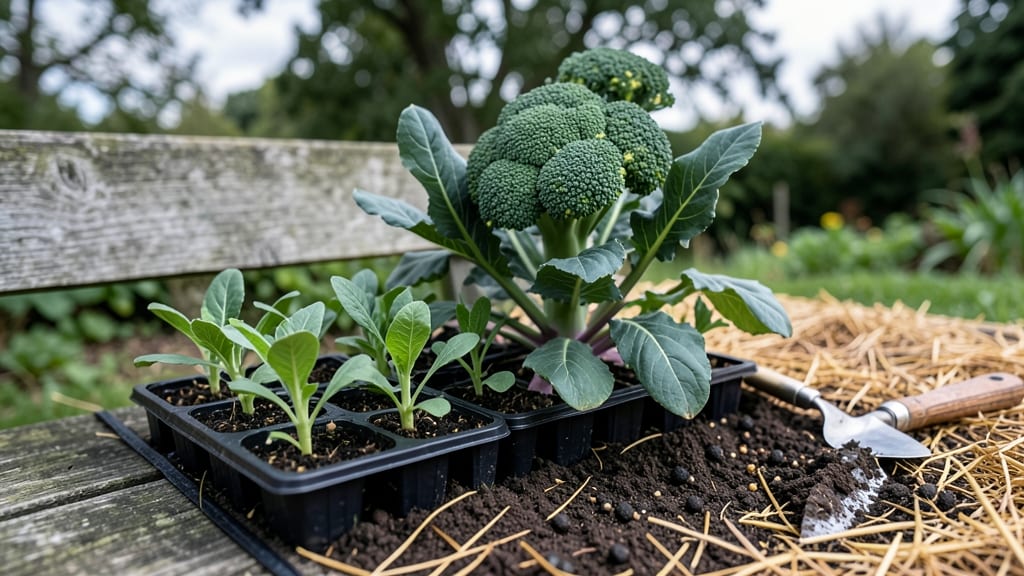
Planting a winter garden in Florida between September and November unlocks a bounty of heat-tolerant greens and roots—without ever worrying about frost.
Here’s the catch: timing is everything. Start too early, and your seedlings bolt in the lingering summer heat. Wait too long, and you’ll miss the 60-day window before spring’s relentless sun takes over.
I’ve learned the hard way that mid-October is the sweet spot for most Florida-friendly crops like collards and carrots—but regional microclimates can shift that by weeks.
This guide cuts through the guesswork with a month-by-month planting schedule, soil prep secrets for Florida’s sandy soils, and how to stretch harvests into April. No more wasted seeds or wilted dreams—just a garden that thrives when others are fading.
Ready to grow? You’ll walk away with exact planting dates, the top 5 zero-frost crops for your zone, and pro tips to outsmart Florida’s tricky winter weather.
Florida winter planting timeline: month-by-month zero-frost crop schedule
Florida’s winter gardening season offers a unique 6-month growing window for heat-tolerant crops, but timing is everything. Unlike northern climates, we don’t have frost to signal planting—just shifting soil temperatures and rainfall patterns that dictate success.
Plant too early, and your greens bolt in summer heat; too late, and you miss peak harvests before spring arrives.
Your microclimate matters: North Florida’s cooler winters (Zone 8a) allow earlier starts, while South Florida (Zone 10a+) can grow year-round with minimal adjustments. Central Florida (Zone 9a) sits in between.
I’ll break down the ideal planting windows for each region, plus how to adjust for early/late starts based on soil temps and rainfall trends.
Pro Tip: Use a soil thermometer—aim for 60-75°F for most winter crops. In North Florida, soil cools to 55°F by December, while South Florida stays above 70°F year-round. This difference changes everything about your planting schedule.
In North Florida, aim to plant cool-season crops by mid-October
Top 5 heat-tolerant winter vegetables for Florida gardens (and how to extend their season)
Florida’s winter gardens thrive when you choose the right heat-tolerant varieties that flourish in mild temperatures without frost. Unlike northern climates, our zero-frost winters let you grow year-round—but timing is everything. These top 5 crops handle Florida’s warm winters beautifully while extending harvests into early spring.
Key to success? Planting at the right time and using companion planting to deter pests. For example, collard greens and kale sweeten with cooler temps, while sweet potatoes and carrots thrive in Florida’s warm soil. Let’s dive into the best choices and how to stretch their season.
- 1 Collard Greens: September-October for fall harvest; January-February for spring. Tolerates 80°F soil—ideal for Florida’s warm winters.
- 2 Sweet Potatoes: April-May for summer planting; harvest September-October. Use black plastic mulch to warm soil faster in cooler months.
- 3 Kale: August-September for fall; December-January for winter. Tolerates light frost but thrives in Florida’s 60-75°F range. Pair with onions to deter cabbage worms.
- 4 Carrots: September-October for fall; February-March for spring. Loosen soil to 12 inches deep—Florida’s sandy soil needs extra prep to prevent forking.
- 5 Turnips: October-November for winter; harvest January-March. Companion with radishes—they mature faster and improve soil structure.
To extend these crops into early spring, use row covers or shade cloth (30-50%) when temps dip below 50°F. For example, collard greens planted in January can yield until April with light protection.
Pair carrots with leeks to repel carrot flies, and sweet potatoes with bush beans to maximize space.
Pro tip: Succession plant kale every 3 weeks from August to December for a continuous harvest. Mulch with straw to retain moisture during Florida’s dry winters. With these strategies, your winter garden can thrive well into spring—no frost required!
🌿