
Planting
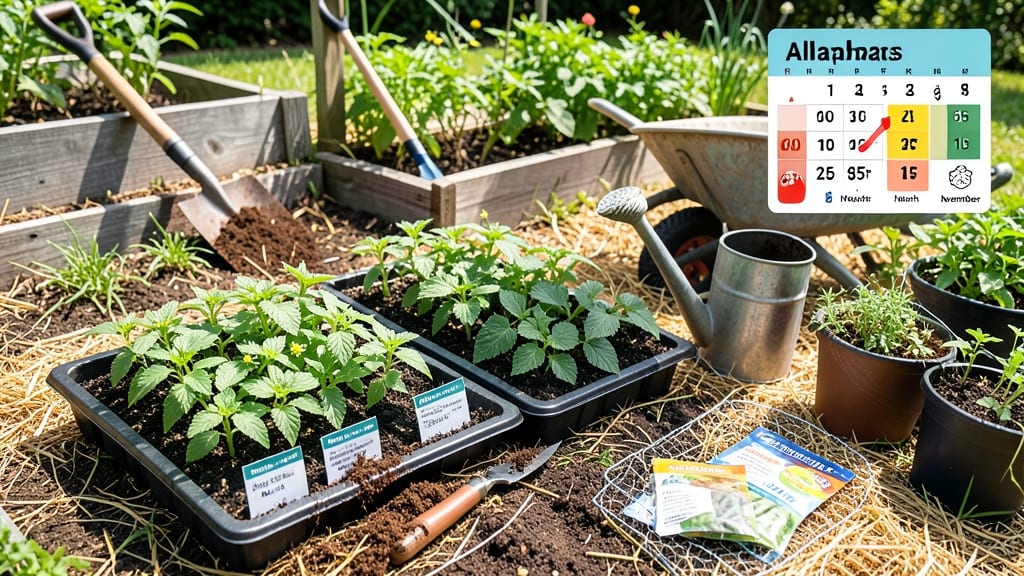
To plant a garden in Alabama at the perfect time means timing your crops with the 210-240 frost-free days that define the state’s growing seasons — and avoiding the mid-March surprises that catch even experienced gardeners off guard.
Alabama’s warm climate and diverse microclimates make gardening a year-round possibility—but timing is everything to avoid frost damage and maximize harvests. Whether you're planting vegetables, flowers, or herbs, knowing the first frost-free dates by region can mean the difference between a thriving garden and a failed crop.
Cool-season crops like spinach and broccoli need to hit the soil 4-6 weeks before your last frost, while tomatoes and peppers wait until 2-3 weeks after the danger has passed.
Miss that window, and you’ll end up with leggy seedlings or bolted greens—something I’ve learned the hard way more times than I’d like to admit.
Below, I break down the exact planting windows for Alabama’s 7a-8b zones, regional adjustments for urban gardens and clay-heavy soils, and how to stretch your growing season with row covers and cold frames. Let’s get those seeds in the ground at the right time!
Alabama’s frost-free dates by region: when to plant cool-season vs. warm-season crops
Alabama’s gardening season spans nearly year-round, but frost-free dates determine when to plant cool-season crops like broccoli and warm-season crops like tomatoes. The state’s 7 agricultural regions experience frost variations—from 30 days earlier in the South to 10 days later in the North.
Understanding these historical frost patterns helps you avoid late-season damage while maximizing harvests.
I’ve broken down last frost dates by region, along with ideal planting windows for both cool-season vegetables (spinach, lettuce) and warm-season staples (peppers, cucumbers). Use this guide to align your planting calendar with Alabama’s USDA hardiness zones (7a-8b), ensuring your garden thrives year-round.
| Region | Last Frost Date | First Frost Date | Cool-Season Planting Window | Warm-Season Planting Window |
|---|---|---|---|---|
| North Alabama (Huntsville, Decatur) | March 15–20 | November 15–20 | February 15–March 15 | April 15–May 1 |
| Central Alabama (Birmingham, Montgomery) | March 1–10 | November 1–10 | February 1–March 1 | March 20–April 1 |
| South Alabama (Mobile, Dothan) | February 20–March 5 | October 20–November 5 | January 15–February 15 | March 1–March 15 |
| Black Belt (Selma, Auburn) | March 5–10 | November 5–10 | February 1–March 1 | March 15–March 31 |
| Gulf Coast (Pensacola, Gulf Shores) | February 15–20 | October 15–20 | January 1–February 1 | February 20–March 1 |
| Tennessee Valley (Florence, Muscle Shoals) | March 10–15 | November 10–15 | February 1–March 1 | March 20–April 1 |
| Wiregrass (Enterprise, Eufaula) | February 25–March 5 | October 25–November 5 | January 15–February 15 |
How to adjust planting times for Alabama’s microclimates and soil typesAlabama’s diverse geography—from the cool mountain air of Huntsville to the humid coastal plains—creates unique gardening challenges. Urban gardens in Birmingham face heat islands, while high-altitude areas like Madison County experience earlier frosts. Even clay-heavy soils in the Black Belt can delay planting if not amended properly. The key to success? Adjusting your planting schedule to match these local conditions. For high-altitude regions (USDA zones 6b-7a), like the Appalachian foothills, start cool-season crops like spinach and kale in early March, but wait until mid-April for warm-season tomatoes and peppers. In contrast, coastal Alabama (zones 8a-8b) can plant warm-season crops as early as late February, thanks to milder winters. Soil type also plays a role—amend clay soils with compost to improve drainage and warm them faster in spring. Row covers and cold frames are game-changers for extending seasons. Use them to plant lettuce or radishes 4-6 weeks before your area’s last frost date. For example, in Huntsville (last frost: March 15), you can start cool-season crops under row covers as early as February 1. In Mobile (last frost: January 31), you might skip row covers entirely for early planting.
Don’t overlook microclimates within your yard. A south-facing wall can create a 2-3°F warmer zone, perfect for heat-loving plants like okra or sweet potatoes. Conversely, shady spots under trees may only support partial-sun plants like Swiss chard or cilantro. Test your soil’s pH and nutrient levels—Alabama’s clay soils often lack organic matter, so amend with aged compost or well-rotted manure before planting. For late-spring planting, prioritize fast-maturing varieties like bush beans or radishes (30-45 days to harvest). Use a risk assessment chart to guide decisions: If your area’s average last frost is March 15 but you’re planting on April 1, your risk of frost damage drops to 5%. For high-altitude areas, this risk jumps to 20%, so delay planting or use protective coverings. With these adjustments, you can tailor your Alabama garden to thrive year-round—whether you’re battling clay soil, urban heat, or mountain frosts. Start small, experiment with season extenders, and soon you’ll be harvesting homegrown goodness well beyond the typical growing season! 🌱 |