
Planting
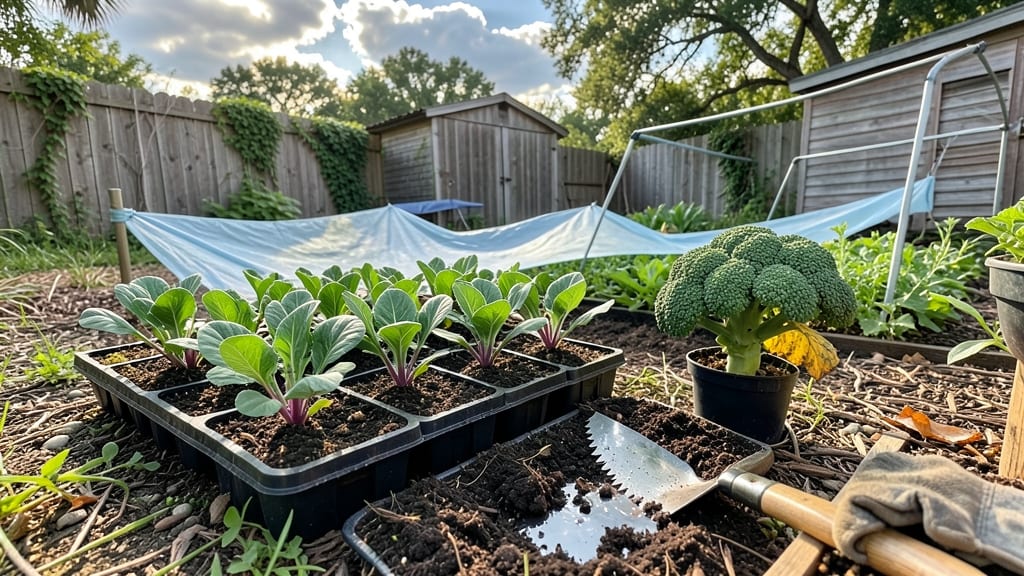
Planting a fall garden in Florida requires precise timing to beat the heat and hurricanes—start mid-August in North Florida and late July in South Florida for zero-frost success.
If you’ve ever watched your lettuce bolt in September or seen sweet potatoes rot before harvest, you know Florida’s fall garden isn’t a one-size-fits-all game. The key is planting heat-tolerant crops early enough to mature before cooler temps arrive, but not so early that they struggle in summer’s lingering warmth.
Florida’s three climate zones—North, Central, and South—each demand a slightly different approach. North Florida gardeners race against the first frost (often by mid-December), while South Florida’s longer growing season lets you push crops later.
I’ll break down the exact windows for leafy greens, root veggies, and herbs that thrive in Florida’s fall heat.
You’ll discover which crops to prioritize, how to adjust for microclimates, and the three critical mistakes that derail even the most well-planned fall gardens—so you can finally harvest that bumper crop you’ve been dreaming of.
Florida’s fall planting calendar by zone: exact months for heat-tolerant crops
Florida’s fall season offers gardeners a second chance to grow heat-tolerant crops before winter arrives. Unlike northern states, Florida’s three distinct climate zones—North, Central, and South—each have unique planting windows to avoid bolting or frost damage.
The key is planting leafy greens, root vegetables, and brassicas when daytime highs stay above 75°F but nights begin cooling. Let’s break down the exact months for each zone to maximize your harvest.
In North Florida (Zones 8a-9a), where cooler air arrives earliest, your window is tight but productive. Start sowing heat-resistant greens like Malabar spinach and Swiss chard in late July to early August.
By September, you can transplant cabbage and broccoli varieties that thrive in Florida’s mild fall temperatures. The goal is to harvest before November’s first frost risk, which varies by year.
Central Florida (Zones 9a-9b) enjoys a longer growing season, with ideal planting stretching from mid-August through early October. This zone can handle sweet potatoes and collard greens planted in August, while lettuce and kale can wait until September.
The key is to time it so crops mature before December’s potential cold snaps. Even here, hurricanes can disrupt schedules, so have backup seeds ready.
South Florida (Zones 10a-11) is the most forgiving, with planting possible until late October. Here, you can grow tropical greens like amaranth and okra year-round, but fall-specific crops like turnips and radishes thrive when planted in September.
The main challenge is humidity—choose disease-resistant varieties and space plants properly to avoid fungal issues.
| Zone | Planting Window | Best Crops | Key Tip |
|---|---|---|---|
| North Florida (8a-9a) | Late July–Early September | Malabar spinach, Swiss chard, cabbage, broccoli | Harvest before November frost |
| Central Florida (9a-9b) | Mid-August–Early October | Sweet potatoes, collards, lettuce, kale | Use shade cloth for young seedlings |
| South Florida (10a-11) | August–Late October | Amaranth, okra, turnips, radishes | Prioritize airflow to prevent mold |
For all zones, soil preparation is critical. Florida’s sandy soils drain quickly, so amend with compost or aged manure before planting. Aim for a soil pH of 6.0–6.8 for most fall crops.
In North Florida, consider raised beds to extend the season—cooler nights settle into low-lying areas first. Use row covers in late fall to protect tender crops from unexpected chills.
Watering strategies shift as fall progresses. In August and September, focus on deep watering every 2–3 days to establish roots before rains taper off. By October, reduce frequency to prevent waterlogged soil, which invites root rot.
Always water in the morning to allow foliage to dry before evening humidity spikes. Drip irrigation is ideal for Florida’s fall gardens—it delivers water directly to roots while keeping leaves dry.
Don’t overlook succession planting to stretch your harvest. In Central and South Florida, sow fast-maturing crops like radishes and bush beans every 2 weeks from August through October. This ensures a continuous supply while older plants mature.
For slower growers like broccoli or cabbage, start seeds indoors in late July (North) or early August (Central/South) to give them a head start in cooler soil.
Watch for pests that thrive in Florida’s fall warmth. Cabbage worms and aphids target brassicas, while squash bugs may appear if you plant winter squash. Use neem oil or row covers as preventive measures.
In South Florida, whiteflies can become problematic—inspect undersides of leaves regularly and remove infested foliage immediately.
Finally, plan for hurricane season, which officially ends November 30th. If a storm is forecast, harvest mature crops immediately and protect seedlings with sturdy containers or temporary shade cloth.
Avoid pruning or fertilizing stressed plants—they’ll struggle to recover. With the right timing and preparation, Florida’s fall garden can be just as bountiful as spring, delivering fresh produce straight through winter.
Best fall crops for Florida gardens: heat-resistant varieties that avoid bolting
Fall gardening in Florida offers a golden opportunity to grow heat-tolerant crops that thrive when summer’s intensity cools slightly. The key is selecting bolt-resistant varieties that won’t rush to seed in Florida’s lingering warmth.
Unlike northern climates, Florida’s fall planting window extends later, but timing is critical to avoid hurricane season disruptions or premature bolting.
My top recommendation? Start with Malabar spinach, a tropical relative of true spinach that handles Florida’s 90°F+ temperatures like a champ. This viney green stays productive even as other leafy crops wilt.
Pair it with ‘Florida Broadleaf’ lettuce, bred specifically to resist bolting in our heat, and you’ve got a foolproof duo for Florida’s fall garden.
For South Florida gardeners, the window stays open longer. You can still plant ‘Florida Broadleaf’ lettuce through early November, while North Florida gardeners should wrap up by mid-October to avoid first frost risks.
My secret? Use row covers to protect tender crops like bok choy when temps dip below 50°F.
Don’t overlook ‘Sweet Carolina’ collard greens—they’re drought-tolerant and sweeten with frost, making them perfect for Florida’s variable fall weather. Pair them with ‘Red Ruby’ turnips for a colorful, nutrient-packed harvest that keeps giving until December in most zones.
Pro tip: Mulch heavily with straw or pine needles to retain soil moisture and regulate temps. In Florida’s humid fall, this prevents fungal diseases while keeping roots cool. Water deeply early in the morning to avoid evening dampness that invites pests.
With these heat-resistant varieties and precise timing, you’ll enjoy a bountiful fall harvest without the bolting headaches. Start with Malabar spinach and ‘Florida Broadleaf’ lettuce, then expand based on your zone’s frost dates—your taste buds (and garden) will thank you! 🌱