
Planting
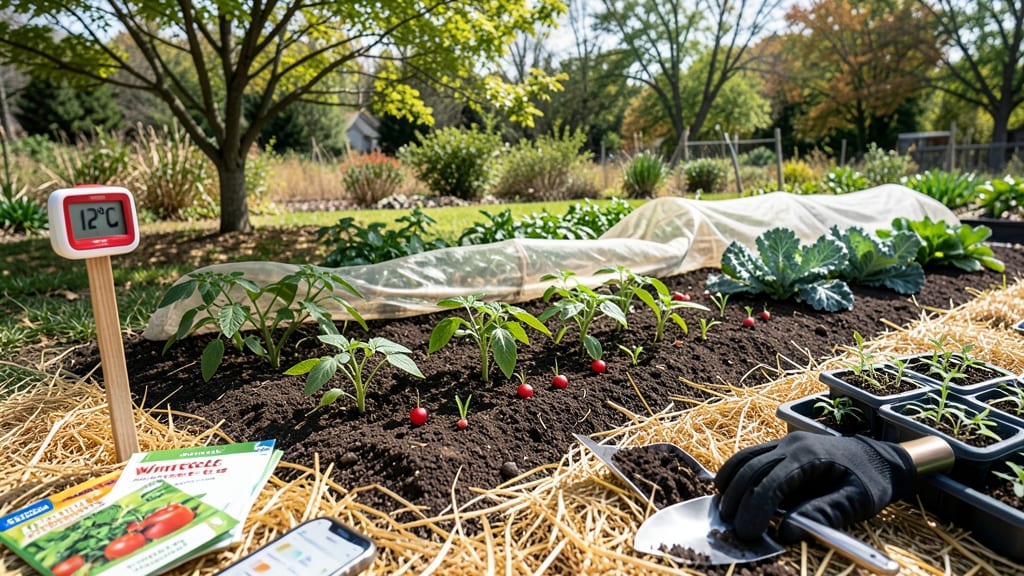
Planting a vegetable garden in Ontario means timing your crops to survive the last frost—usually mid-May in the south and early June in the north—before the growing season takes off.
Ontario gardeners know timing is everything—plant too early and frost will strike, too late and you’ll miss the harvest season. But with the right frost-free deadlines, you can grow a thriving vegetable garden from May to October.
This guide breaks down when to start seeds indoors, when to sow outdoors, and how to adjust for Ontario’s 5a-6b zones—so you can maximize your 🥕 harvest without wasting time or resources.
From cool-season crops like spinach to heat-loving tomatoes, we’ll cover the best planting windows by month, plus tips to extend your season with row covers and cold frames.
Ontario’s frost-free planting zones: when to start seeds indoors vs. outdoors
Ontario’s diverse climate means gardeners in Zone 1 (northern) face completely different frost risks than those in Zone 7 (southwestern). Knowing your last frost date determines whether you start seeds indoors 6-8 weeks early or sow directly outdoors.
For example, in Toronto (Zone 6), the average last frost is May 15, while in Thunder Bay (Zone 3), it’s often June 10. This timing shift can mean the difference between a bountiful harvest and a failed crop.
Cool-season vegetables like spinach, peas, and lettuce thrive when planted 4-6 weeks before your last frost, while warm-season crops such as tomatoes and peppers need soil temperatures above 50°F (10°C)—typically 2-4 weeks after the frost date.
In Ontario, this often translates to late May for southern regions and early June for northern areas. Using a frost-date calculator (like the one from the Ontario Ministry of Agriculture) helps pinpoint your exact window.
Here’s how Ontario’s planting zones break down for indoor seed starts vs. outdoor sowing, including regional last frost averages and crop-specific timing:
For cool-season crops, such as kale, broccoli, and carrots, you can often sow seeds directly outdoors 2-3 weeks before your last frost. These hardy plants tolerate light frosts and may even bolting if planted too early.
In contrast, warm-season crops like tomatoes and peppers are frost-sensitive and must wait until soil temperatures stabilize. A simple trick: press a thermometer into the soil—if it reads 50°F (10°C) or warmer for 3-5 days, it’s safe to plant.
If you’re in Zone 1 or 2, consider using row covers or cold frames to extend your growing season. These tools can push your last frost date back by 2-4 weeks, giving you more time to grow heat-loving crops.
For example, in Thunder Bay (Zone 1), you might still get a tomato harvest if you start seeds indoors by April 1 and transplant after June 10—but choose early-maturing varieties like ‘Early Girl’ tomatoes or ‘Sweet Banana’ peppers to maximize success.
Pro tip: Mark your calendar with two key dates each year—the last frost date (for outdoor planting) and the first frost date (typically late September to October).
This helps you plan for fall crops like spinach, radishes, and kale, which can be sown 6-8 weeks before your first frost for a late harvest. Use the Ontario Weather Network or Environment Canada for local frost alerts.
For northern Ontario gardeners, focus on short-season varieties and succession planting. Plant fast-maturing crops like bush beans (50 days) or radishes (2
Best vegetables to plant in Ontario by month: a month-by-month guide
Ontario’s short but productive growing season means careful planning is key. Whether you’re a beginner gardener or a seasoned pro, knowing which vegetables to plant each month ensures a bountiful harvest. From cool-season crops in spring to heat-loving plants in summer, Ontario’s climate rewards those who follow the right schedule.
March kicks off the season with indoor seed starts, while April brings hardy cool-season vegetables that thrive in chilly soils. By May, the last frost passes, allowing you to plant warm-season favorites like tomatoes and peppers.
June is all about heat-tolerant varieties, and July keeps the garden busy with succession planting for fall harvests.
- March: Start tomatoes, peppers, and eggplants indoors (6-8 weeks before last frost). Ideal varieties: Early Girl tomatoes and Bell pepper hybrids.
- April: Plant cool-season crops like spinach, peas, and lettuce directly outdoors. Southern Ontario: late April; Northern Ontario: early May.
- May: After last frost (mid-May in south, early June in north), sow cucumbers, beans, and squash. Use row covers for early starts.
- June: Plant heat-loving crops like tomatoes, peppers, and corn. Succession plant bush beans every 2 weeks for continuous harvests.
- July: Focus on succession planting for fall crops: kale, carrots, and radishes. Harvest early green onions and lettuce to make room.
For Ontario-specific varieties, opt for cold-hardy lettuce like Black Seeded Simpson or heat-tolerant tomatoes such as Solar Fire. These varieties thrive in Ontario’s USDA zones 5a-6b and handle the region’s variable weather better than standard types.
Don’t forget to plan for fall harvests! By late July, start sowing winter squash, broccoli, and Brussels sprouts for a late-season bounty. These crops mature just in time for Ontario’s first frost (late September to mid-October), ensuring you can enjoy homegrown veggies well into autumn.
Pro tip: Use mulch to retain soil moisture and extend the growing season. A thick layer of straw or shredded leaves keeps roots cool in summer and insulated in fall, giving your plants a fighting chance against Ontario’s unpredictable weather.