Planting
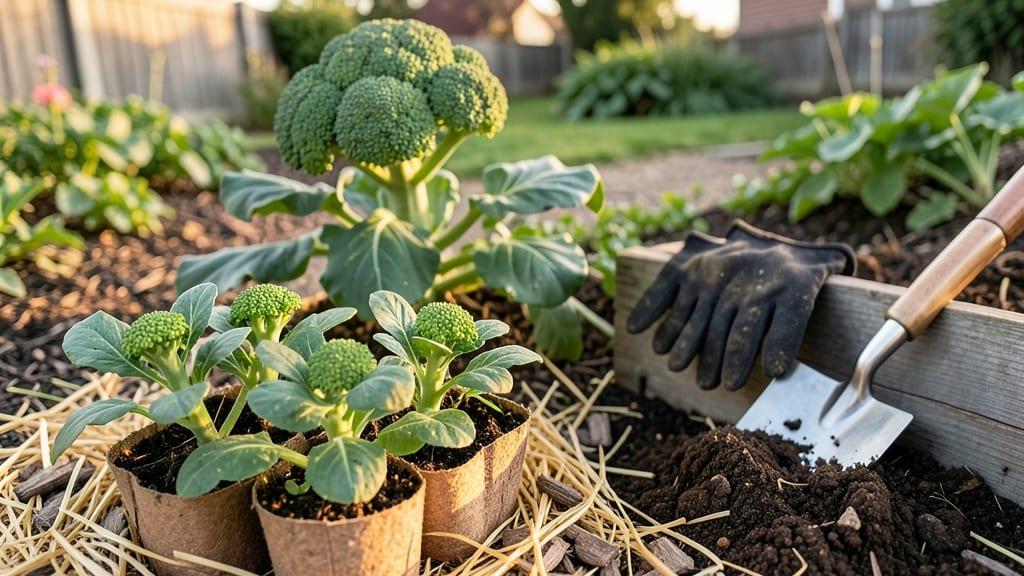
Planting a vegetable garden in Northern California depends on when soil warms and frost dates — not just the calendar.
Timing your vegetable garden planting in Northern California isn’t just about the calendar—it’s about surviving the foggy coasts, hot Central Valley summers, and mountain microclimates where frost can strike twice in a season.
Get it wrong, and you’ll end up with leggy seedlings or bolting greens before you even harvest. But nail the window, and you’ll enjoy fresh tomatoes in July and crisp carrots in October—no matter where you live in the state.
Here’s how to pinpoint the exact planting deadlines for your microclimate, from coastal San Francisco to the Sacramento Valley, plus the top 5 crops to prioritize this spring.
Northern California planting zones: when to start seeds vs. transplants by USDA Zone
Northern California’s USDA Zones 7-10 create a gardening puzzle where frost-free dates can vary by hundreds of miles. Coastal areas like San Francisco (Zone 9-10) enjoy mild winters, while inland valleys like Sacramento (Zone 9) and mountain foothills (Zone 7-8) face earlier frosts.
This means your tomato seedlings might thrive in March on the coast but need to wait until May inland.
Understanding these zones helps you decide whether to start seeds indoors (for cooler climates) or direct-sow outdoors (for warmer microclimates). For example, lettuce and broccoli can handle light frosts, while peppers and eggplants need warmth—so timing is everything.
Let’s break down the planting deadlines for each zone, including coastal vs. inland adjustments.
| Zone & Location | Last Frost Date | Seed Starting Indoors | Transplant Outdoors | Direct Sow Outdoors |
|---|---|---|---|---|
| Zone 7 (Mountains, e.g., Tahoe Basin) | April 15–May 1 | March 1–15 | May 15–June 1 | After May 15 |
| Zone 8 (Sacramento Valley, Redding) | February 15–March 15 | February 1–March 1 | March 15–April 15 | March 20–April 30 |
| Zone 9 (Bay Area, Central Coast) | December 15–January 15 | January 1–February 15 | February 15–March 15 | February 1–March 15 |
| Zone 10 (Coastal, e.g., Santa Cruz) | November 1–December 15 | October 15–November 30 | January 1–February 15 | October 15–December 15 |
*Adjust dates 2–4 weeks earlier for inland areas vs. coastal zones.
In Zone 7 (like the Sierra foothills), you’ll need to start seeds indoors as early as March for cool-season crops like broccoli and cabbage. Transplant them outdoors only after your last frost date, typically around May 15.
Meanwhile, in Zone 10 (e.g., Santa Cruz), you can direct-sow lettuce as early as October and enjoy fall harvests without frost worries.
For heat-loving crops like tomatoes and peppers, wait until soil temperatures hit 60°F+. Inland areas (e.g., Stockton) can plant these in April, while coastal zones (e.g., San Francisco) may not see safe temperatures until May.
Use a soil thermometer to confirm—55°F is the minimum for tomatoes.
Coastal fog can delay planting by
Elevation matters: adjusting planting times for mountain vs. valley gardens
Northern California's dramatic elevation shifts—from sea level to over 10,000 feet—create microclimates where a 1,000-foot rise can delay planting by 2+ weeks. My Sierra foothills garden freezes overnight while Sacramento Valley tomatoes ripen under 100°F heat. These differences aren't just regional—they're neighborhood-level.
Cooler mountain air holds less moisture and warms slower than valley floors, pushing back last frost dates by 3-4 weeks at 5,000 feet compared to coastal areas. Even within the Bay Area hills, a 1,500-foot climb can mean tomato transplants wait until May 15 instead of April 1.
Here's how to adjust your planting schedule based on elevation, with specific deadlines for common Northern California zones:
To calculate your own adjustments, use this simple formula: Add 1 week of planting delay for every 1,000 feet above sea level. My 3,500-foot garden in the Sierra foothills means I plant tomatoes 3 weeks later than my valley neighbors—and harvest 2 weeks earlier before summer heat arrives.
For mountain gardens, prioritize cold-tolerant varieties like kale and peas, while valley gardens can handle heat-lovers such as okra and sweet potatoes. Always check your local frost dates from the USDA or California Climate Zone Map—they're your planting bible.
Pro tip: Use row covers to extend your mountain garden season by 3-4 weeks in spring and fall. I've successfully grown lettuce through November frosts this way—just remove covers during daytime warmth to prevent overheating.