Watering
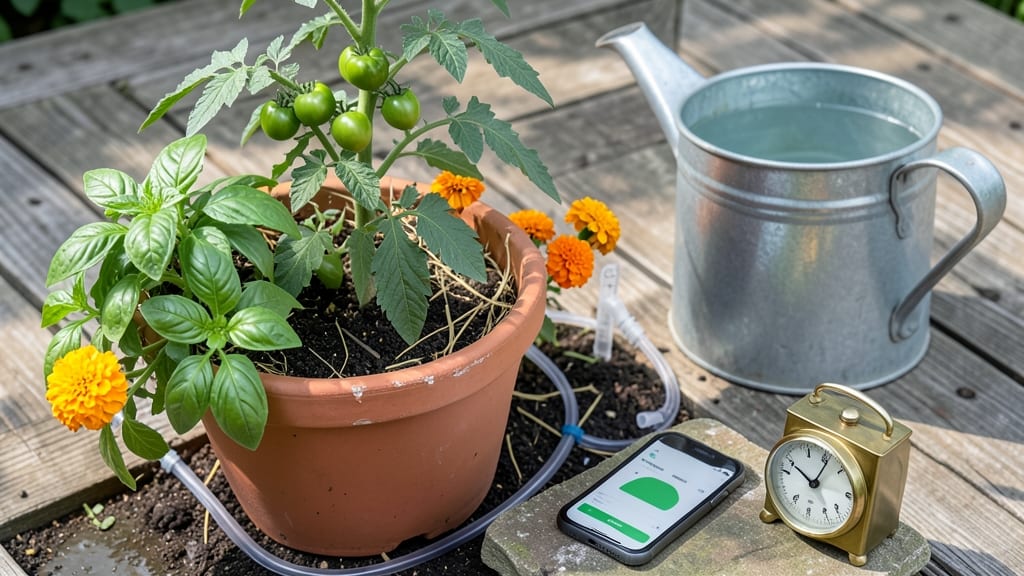
To water garden plants properly, you need consistent moisture—not guesswork—because overwatering or underwatering can stifle growth before you even notice.
Most gardeners pour water based on a schedule, but plants don’t follow calendars—they respond to soil conditions. The key is checking moisture at root depth, where the real action happens.
In this guide, I’ll break down how to measure soil moisture correctly, adjust watering based on plant type and season, and spot the subtle signs of over- or under-watering before they damage your garden.
You’ll leave here with a science-backed method to keep your General Garden 🌱 thriving, whether you’re dealing with sandy soil in Zone 6a or heavy clay that holds water for days.
The soil-moisture check method: how deep to water different garden plants
Most gardeners water based on guesswork—until their plants wilt or develop mushy roots from overwatering. The real key? Checking soil moisture at the root zone, where plants actually drink. For most garden plants, this means testing 1-3 inches deep, depending on the plant type.
This method prevents both drought stress and root rot, giving you the perfect balance.
Here’s how I do it: Stick your finger into the soil 1 inch deep for annuals like marigolds or basil, and 2-3 inches deep for perennials like lavender or roses.
If the soil feels dry at that depth, it’s time to water. If it’s damp, wait another day. This simple trick saves water and keeps your garden thriving.
| Plant Type | Check Depth | Water Frequency | Signs of Overwatering |
|---|---|---|---|
| Vegetables (tomatoes, peppers) | 1.5-2 inches | Every 2-3 days (summer) | Yellowing leaves, mold |
| Herbs (basil, cilantro) | 1 inch | Every 1-2 days | Wilting, brown edges |
| Perennials (lavender, hostas) | 2-3 inches | Every 5-7 days | Stunted growth, leaf drop |
| Annuals (petunias, zinnias) | 1 inch | Daily (hot weather) | Drooping flowers |
| Trees/Shrubs (roses, hydrangeas) | 3-4 inches | Weekly (deep watering) | Cracked soil, fungal spots |
For vegetables like tomatoes and peppers, I aim for 1.5-2 inches deep moisture checks. These plants need consistent hydration but can’t handle soggy soil. Water deeply in the morning to reduce evaporation and fungal risks.
A drip irrigation system works best here—it delivers water slowly to the roots where it’s needed most.
Herbs like basil and cilantro are thirstier and need frequent checks at just 1 inch deep. These plants wilt fast when dry, so I water them every 1-2 days in summer.
A spray bottle works well for potted herbs, but always water until you see moisture seep from the drainage holes. Overwatering herbs leads to brown leaf edges, a sure sign of too much moisture.
Perennials like lavender and hostas store water in their roots, so I check moisture at 2-3 inches deep. These plants thrive on infrequent, deep watering—every 5-7 days in summer.
Overwatering causes stunted growth and leaf drop, while underwatering leads to crispy foliage. Mulch helps retain moisture and regulate soil temperature.
Annual flowers like petunias and zinnias need daily attention in hot weather. I check soil moisture at 1 inch deep and water as needed. These plants show stress quickly—wilting or drooping flowers mean it’s time to water. A self-watering planter can help maintain consistent moisture for container-grown annuals.
For trees and shrubs, like roses or hydrangeas, I dig down 3-4 inches to check moisture. These plants need deep, infrequent watering—once a week during summer. Overwatering causes cracked soil and fungal spots, while underwatering leads to leaf scorch.
A soaker hose is perfect for delivering water directly to the root zone without wetting the foliage.
Seasonal adjustments are key. In summer, I water more frequently but less deeply to prevent runoff. In spring and fall, I reduce frequency but increase depth to encourage deep root growth.
Always water in the early morning to allow foliage to dry before nightfall, reducing the risk of powdery mildew and other fungal diseases.
Pro tip: Use a moisture meter for accuracy, especially in sandy soil (which drains fast) or clay soil (which holds too much moisture). Adjust your watering schedule based on the meter readings—this takes the guesswork out of gardening.
With this method, your plants will thrive without the risk of over- or underwatering.
Signs your garden is overwatered or underwatered (and how to fix it)
Your garden plants silently scream for help when watering goes wrong. Yellowing leaves, mushy stems, or crispy edges are red flags most gardeners miss until it's too late. The key? Learning to read your plants' soil moisture cues instead of guessing based on a schedule.
I've seen tomatoes rot from overwatering in clay soil and herbs wilt from underwatering in sandy soil—both preventable with the right approach.
First, understand that overwatering and underwatering share some symptoms, like wilting, which makes diagnosis tricky. The difference lies in the root health and leaf texture. Overwatered plants often have yellow lower leaves that feel soggy, while underwatered plants show crispy brown edges and dry, brittle stems.
Your soil type plays a huge role—sandy soil drains fast, while clay soil holds moisture like a sponge.
Overwatered vs. Underwatered: Quick Fix Guide
Overwatered Plants
- Yellow leaves (bottom first)
- Mushy stems or black spots
- Foul-smelling soil (rotten eggs)
- Mold or fungus on soil surface
- Stop watering immediately
- Loosen compacted soil with fork
- Add organic mulch to improve drainage
- Repot houseplants if roots are rotting
Underwatered Plants
- Crispy brown edges on leaves
- Dry, brittle stems
- Wilting (even after watering)
- Dusty soil (no moisture)
- Water deeply (1-2 inches)
- Use drip irrigation for consistency
- Add water-retentive crystals to soil
- Check for root-bound plants
For sandy soil, which drains like a sieve, I recommend deep watering every 2-3 days during heatwaves. Test by pushing a screwdriver into the soil—if it goes in easily, you're underwatering.
In clay soil, water deeply but less frequently—once a week is often enough unless it's scorching hot. The goal is to keep the top 6 inches of soil consistently moist, not soggy.
Seasonal adjustments are critical. During summer heatwaves, I increase watering by 50% and focus on morning watering to reduce evaporation. In spring, when rains are unpredictable, I rely on the finger test daily.
For container gardens, I water when the top inch feels dry, but never let water pool in saucers—this causes root rot faster than you'd think.
One mistake I see often is watering on a schedule without checking soil conditions. Plants in shade need less water than those in full sun, and newly planted shrubs require more frequent watering than established perennials.
Always match your watering routine to the plant's needs, not your calendar. For example, succulents thrive on weekly watering, while tomatoes need daily water during fruit development.
Remember, the healthiest plants are those with consistent moisture, not those drowned in love or left to wither. Start by diagnosing with the leaf and soil tests above, then adjust your watering routine. Your garden will thank you with vibrant blooms and bountiful harvests—not wilting disasters! 🌱