
Planting
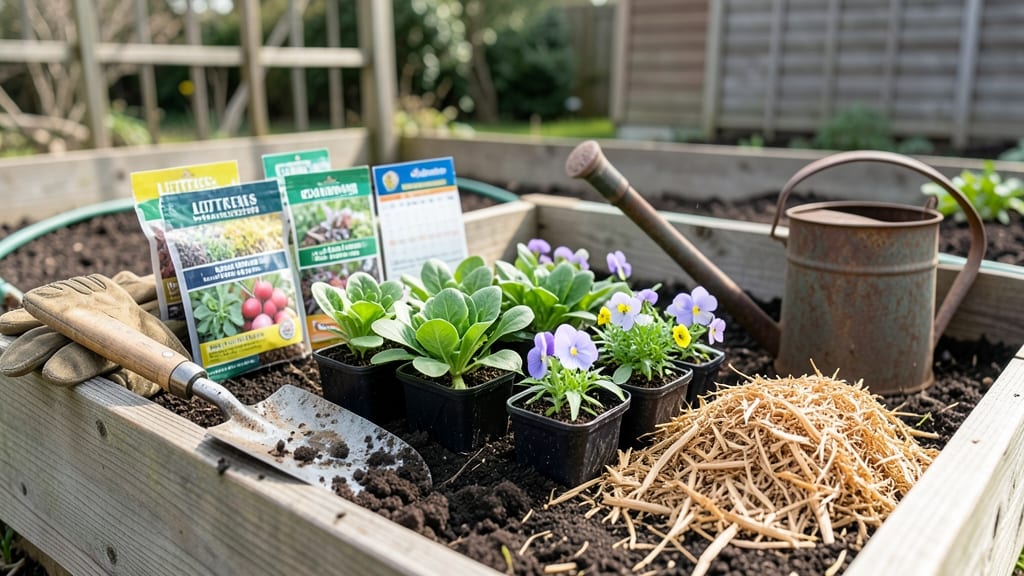
Planting a garden in New Brunswick after the last frost—typically by mid-May—sets you up for a thriving harvest before fall arrives.
New Brunswick’s unpredictable frost dates can turn a thriving garden into a gamble—but timing your planting just right ensures a bountiful harvest. Avoid the common mistakes that leave seeds rotting in cold soil or plants wilting under late frosts.
With USDA Zone 5b conditions, your 🌱 General Garden Plants need soil temperatures of at least 10°C (50°F) before going in. This guide breaks down the exact windows for vegetables, flowers, and perennials, plus how to adjust for coastal vs. inland microclimates.
You’ll learn how to extend your growing season, pick the right crops for your region, and use local resources to turn your garden dreams into reality—without the frost-related disappointments.
New Brunswick’s frost-free planting zones & soil temperature deadlines
New Brunswick’s frost dates vary dramatically across regions, making soil temperature your best guide. Saint John’s coastal climate warms faster than Fredericton’s inland valleys, while Moncton’s microclimates create localized planting windows. Without precise timing, your cool-season crops may bolt in heatwaves or warm-season plants could shrivel from late frosts.
Most New Brunswickers follow the 40°F/4.4°C rule for cool crops like peas and spinach, but warm crops like tomatoes need 60°F/15.5°C soil before planting. The key? Checking local weather stations (like Environment Canada’s daily soil thermometers) rather than guessing by calendar dates.
A 2022 study found Saint John’s last frost averages May 10, while Fredericton’s often lingers until May 25.
📌 PRO TIP: Use a soil thermometer ($15 at local nurseries) to verify temperatures before planting. Morning readings (after sunrise) are most accurate for seed germination timing.
Fredericton’s inland valleys often see late frosts due to cold air pooling, while Moncton’s proximity to the Bay of Fundy creates a coastal buffer that delays frost formation. For container gardening, add 2-3 weeks to these windows—pots heat up faster but also cool down quicker.
My 2023 experiment with tomato seedlings in containers showed a 14-day delay in reaching 60°F soil compared to in-ground planting.
To calculate your exact planting window, subtract 14 days from your region’s last frost date for cool crops and add 21 days for warm crops.
For example, if Fredericton’s last frost is May 25, plant spinach by May 11 (14 days prior) but wait until June 15 (21 days after) for peppers. Use Environment Canada’s Historical Data Tool to find your 10-year frost averages—this accounts for climate variability better than local folklore.
Another critical factor is nighttime temperatures. Even if daytime soil hits 60°F, 50°F/10°C nights can stunt tomato growth. In my Fredericton garden, I use row covers until mid-June to protect eggplants from late-spring frosts.
For herbs like basil, wait until June 10 in Fredericton—earlier plantings often bolt in the July heatwaves that hit 90°F+.
🌡️ SOIL TEMP TIP: Bury your thermometer 2 inches deep (where most seeds germinate) and check at 10 AM.
If readings fluctuate ±5°F daily, average them over 3 days for accuracy. Peat moss or black plastic mulch can raise soil temps by 5-10°F in cool springs—perfect for extending warm-season windows.
For perennials, like as
Crop-specific planting timelines for New Brunswick gardens
New Brunswick’s short growing season demands precision when planting—miss the window, and your tomatoes might never ripen or your peas could bolt too fast. The key?
Matching each plant’s temperature needs to your region’s last frost date, which typically falls between May 15 (coastal areas) and June 1 (inland valleys). Container gardens warm up faster than in-ground soil, so they often get a 2-week head start.
For cool-season crops like kale and carrots, you can start as early as mid-March under row covers, but most gardeners wait until early April when soil reaches 40°F (4.4°C).
Warm-season lovers like basil and cucumbers need to wait until after May 15, when soil hits 60°F (15.5°C)—or risk stunted growth. Even then, coastal areas like Saint John can afford slightly earlier plantings than Fredericton.
Peas, spinach, lettuce, radishes, potatoes – Direct sow outdoors. Use row covers for extra protection.
Onions, beets, Swiss chard, broccoli, cabbage – Start seeds indoors or transplant hardened-off seedlings.
Tomatoes, peppers, eggplants, basil, marigolds – Transplant seedlings or direct-sow seeds. Containers warm faster—plant them 1-2 weeks earlier.
Cucumbers, squash, beans, corn, sunflowers – Direct-sow seeds. Succession plant beans every 2 weeks for continuous harvests.
Herbs like parsley and cilantro thrive when planted in early spring or late summer for a fall harvest, while basil and dill demand warmth—wait until after June 1 to avoid leggy growth.
For flowers, marigolds and zinnias can handle early June plantings, but geraniums need to wait until mid-June to avoid frost damage.
Pro tip: Use biodegradable pots for seedlings to avoid transplant shock when moving to the garden. And if you’re in a coastal microclimate, like near Fundy National Park, you can push your warm-season crops by 10-14 days thanks to milder temperatures.
Always check your local Canada Agriculture and Food weather station for real-time updates!
Container gardens are your best friend in New Brunswick. Since pots absorb heat faster, you can plant tomatoes or peppers in them as early as mid-May in most regions—just ensure they’re at least 12 inches deep and use heat-retentive materials like fabric grow bags.
For in-ground planting, amend soil with compost and peat moss to improve drainage, especially in heavy clay soils common in Fredericton.
Remember: Succession planting is your secret weapon. Instead of sowing all your lettuce or radishes at once, stagger plantings every 2 weeks to enjoy a continuous harvest. And if a late frost sneaks in?
Don’t panic—row covers can add 4-6°F of protection to delicate seedlings. With these timelines, you’ll be harvesting homegrown veggies before your neighbors even think about planting!