
Planting
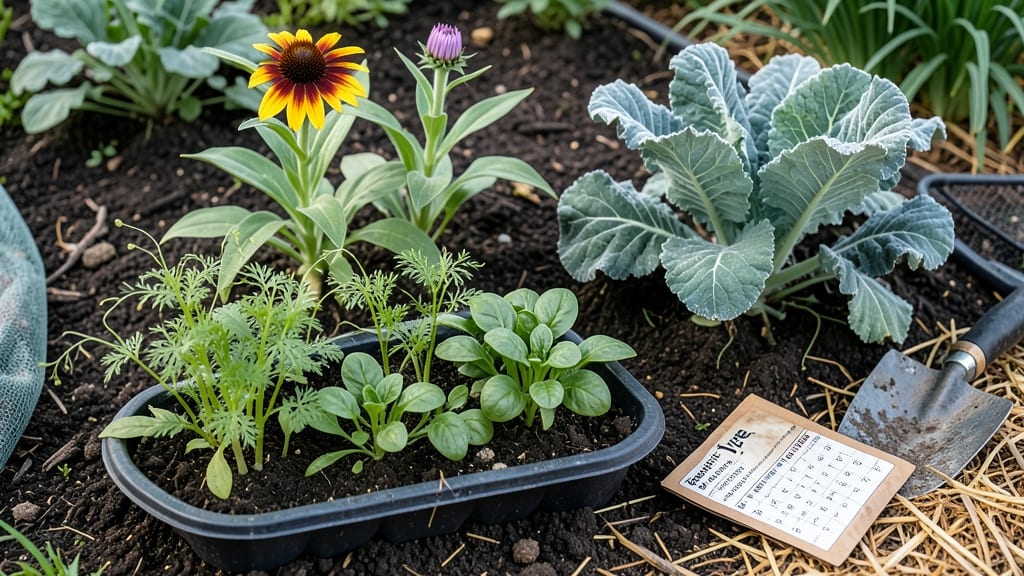
Planting a garden in Minnesota demands precision timing—wait too long, and frost zaps your seedlings; rush it, and heat stunts their growth.
Minnesota’s unpredictable frost dates can turn a gardener’s dream into a risky gamble—but timing your plantings right means the difference between a thriving harvest and a frozen failure.
From Zone 3 in the north to Zone 5 in the south, the last spring frost arrives anywhere from late April to mid-May, while the first fall frost hits as early as September. That’s just 120 days of frost-free growing time—every week counts.
Here’s your zone-by-zone planting calendar, including cold-hardy crops for early starts, heat-lovers for late summers, and pro tips to stretch your season with row covers and greenhouses.
Minnesota’s frost dates by Zone: key planting windows for vegetables and flowers
Minnesota’s USDA Zones 3-5 create a unique gardening challenge, with last spring frost dates ranging from late April in southern Minnesota to mid-May in the north. Understanding these frost-free windows is critical for timing your plantings—whether you’re growing cool-season crops like spinach or warm-season favorites like tomatoes.
The average first fall frost arrives between mid-September in the south and early September in the north, leaving gardeners with just 120-150 frost-free days to work with.
Northern Minnesota (Zones 3-4) faces earlier frosts, while southern Minnesota (Zone 5) enjoys slightly longer growing seasons. For example, Zone 4 gardeners should plan to start warm-season crops indoors by early April, while Zone 5 growers can wait until late April.
These zone-specific adjustments make all the difference in avoiding frost damage and maximizing yields.
Here’s how to align your planting schedule with Minnesota’s frost patterns, broken down by cool-season and warm-season crops, plus tips for extending your growing window in colder zones.
For cool-season crops, timing is all about beating the first frost while avoiding bolting from heat. In Zone 3, start peas and spinach indoors by early March, then transplant outdoors by mid-April.
In Zone 5, you can direct-sow lettuce and kale as early as April 1, but always have a backup plan for late frosts. These crops thrive in cooler temperatures (40–70°F) and can even survive light frosts, making them ideal for Minnesota’s early spring.
Warm-season crops like tomatoes and peppers need to wait until after the last frost date and soil temperatures reach at least 55°F. In Zone 4, this typically means starting seeds indoors by early April and transplanting after May 1.
In Zone 5, you can push it slightly later—transplanting tomato seedlings around May 15–20. Always monitor soil temperature with a thermometer, as cold soil can stunt growth even after the frost has passed.
Minnesota gardeners often extend their seasons using row covers or cold frames, which can push planting dates back by 2–4 weeks in spring and delay fall frosts by 3–4 weeks.
For example, Zone 3 growers can use row covers to plant cabbage and broccoli as early as March 20, while Zone 5 gardeners might harvest kale and carrots well into October with protection. Just remember to remove covers during the day in warm weather to avoid overheating.
One common mistake is planting warm-season crops too early, only to have them wilt from a surprise frost. Always check long-term weather forecasts and use frost cloth for sensitive plants.
Another tip: succession planting every 2–3 weeks ensures a continuous harvest of lettuce, radishes, and beans, maximizing your short growing season. With these strategies, you can turn Minnesota’s unpredictable climate into a gardener’s advantage.
Finally, keep a gardening journal to track your local frost dates—Minnesota’s climate varies even within zones. Over time, you’ll refine your planting schedule and enjoy a bountiful harvest despite the challenges. Happy
Best crops to plant in Minnesota by season: a month-by-month survival guide
Minnesota’s short growing season demands precision—plant too early and frost will strike, too late and you’ll miss peak harvests. The key is understanding cold-hardy crops that tolerate early springs and heat-loving transplants that thrive in summer’s brief warmth.
My strategy? Start with cool-season crops in March, transition to warm-season plants by May, and use succession planting to stretch yields until fall’s first frost.
For USDA Zones 3-5, I focus on March-April for cold-tolerant veggies like peas and spinach, then shift to tomatoes, peppers, and squash after Memorial Day. Northern MN gardeners should wait 2-3 weeks longer than southern regions. Here’s my month-by-month battle plan to maximize your Minnesota harvest without frost casualties.
- March: Start peas, spinach, and lettuce indoors or under row covers when soil reaches 40°F. Harden off cold frames for early planting.
- April: Direct-sow radishes, kale, and carrots as soon as soil is workable. Transplant broccoli and cabbage starter plants after last frost risk passes.
- May: Plant tomatoes, peppers, and eggplants after May 15 (average last frost). Use black plastic mulch to warm soil faster.
- June: Sow beans, cucumbers, and zucchini for summer harvests. Begin succession planting every 2 weeks for continuous yields.
- July-August: Direct-sow fall crops like kale, spinach, and radishes for late-season harvests. Protect with frost blankets when nights dip below 50°F.
- September: Extend season with cold frames for garlic and onions. Harvest peppers and tomatoes before first frost (mid-Sept in north).
My top succession planting trick? Every 2 weeks after June 1, I sow a new batch of bush beans or lettuce to ensure a steady supply. For example, bush beans take 50-60 days to mature—planting every 14 days means fresh harvests until frost.
I also reserve 10% of my garden space for late-season crops like spinach and arugula, which thrive in cooler fall temps.
Don’t overlook perennial herbs like thyme, oregano, and chives—they establish in spring and reward you for years. I plant them in May alongside asparagus crowns, which take 2-3 years to mature but then produce for decades.
For flowers, marigolds and zinnias are my go-tos—they bloom all summer with minimal care and deter pests.
Pro tip: Use frost dates as your calendar. In Zone 4, I mark May 15 and September 15 on my garden stakes—everything warm-season goes in after the first date, and everything cold-hardy stays until the second.
For Zone 3 gardeners, push those dates back by 2 weeks. With this system, I’ve doubled my harvests by eliminating guesswork.
Remember: Soil temperature matters more than air temperature. Use a soil thermometer—most warm-season crops need soil at 60°F+ to germinate. If your soil’s still cold in May, wait or use black plastic mulch to speed warming.
And always save seeds from your best performers—heirloom tomatoes and peppers adapt beautifully to Minnesota’s climate over generations.