
Planting
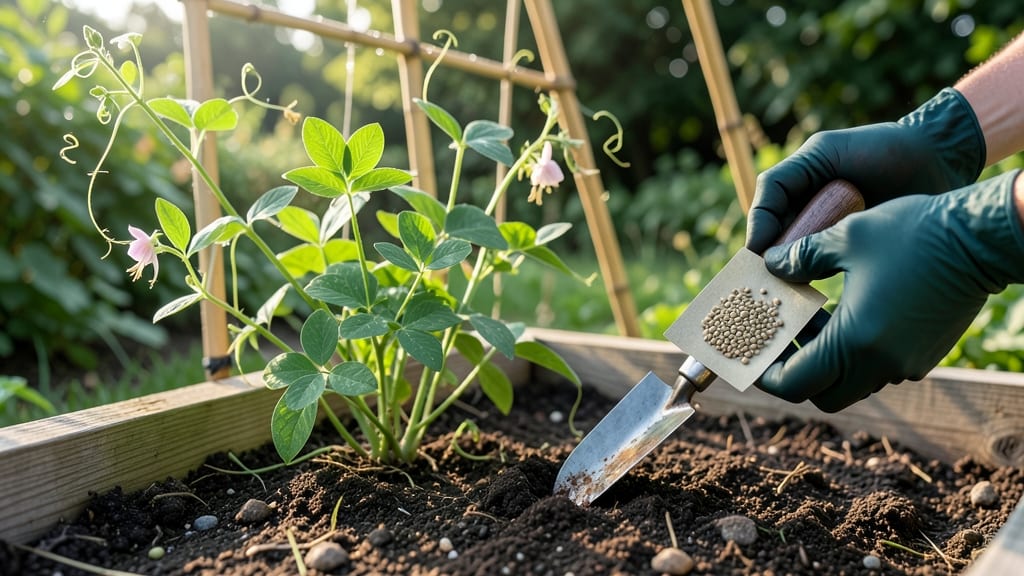
Plant garden peas about 4-6 weeks before your last frost date for a fast, cool-season harvest that beats the summer heat.
You might think spring planting is the only option, but garden peas 🌱 actually thrive in early spring and late summer—giving you two chances to enjoy sweet, tender pods before the weather turns too hot.
The key is timing: too early, and they bolt; too late, and they struggle in the heat.
In USDA Zone 6a, that means planting in early March for a late spring harvest or late August for a fall crop. But the rules shift in warmer zones, where peas can even overwinter in mild climates.
I’ll break down the exact windows for your region, plus how to prep soil and spot the perfect moment to plant.
Whether you’re a beginner or a seasoned grower, these tips will help you maximize yields and avoid common mistakes that delay harvests. Let’s get those peas in the ground at the right time!
Optimal planting times for garden peas by climate Zone
Garden peas are one of the first cool-season vegetables you can plant each year, offering a quick harvest when little else is ready. Their cold tolerance makes them perfect for early spring or fall planting, but timing varies dramatically by USDA zone.
In Zone 3, for example, you might start seeds under frost cloth in late February, while gardeners in Zone 10 can plant through winter. Understanding these windows ensures your peas thrive without bolting too early or struggling in heat.
The key to successful pea planting lies in soil temperatures between 40°F and 75°F. Seeds won't germinate well below 40°F, and growth slows above 75°F. This means early spring and late summer/fall are your best bets for most regions.
In warmer zones, you can even plant peas in winter months for a spring harvest. Let's break down the ideal planting times by zone to maximize your yields.
⚠️ Pro Tip: Always plant peas 4-6 weeks before your last frost date for a spring harvest, or 8-10 weeks before your first frost for a fall crop. Use your local frost dates as a guide—don't guess!
| USDA Zone | Early Spring Planting | Fall Planting | Overwintering Option | Key Consideration |
|---|---|---|---|---|
| Zones 3-4 | Late February - Early April (under frost cloth if needed) | Late July - Mid-August | Yes (with mulch) | Soil must thaw; avoid planting in soggy ground |
| Zones 5-6 | Mid-March - Early May | Mid-August - Early September | Yes (with row covers) | Watch for early heat waves in spring |
| Zones 7-8 | Early March - Late April | Late August - Mid-October | Limited (only hardy varieties) | Fall planting extends harvest into winter |
| Zones 9-10 | Late January - Early March | September - November | Yes (year-round in mild winters) | Use shade cloth in summer to prevent bolting |
In Zones 3-4, where winters are harsh, focus on early spring planting (late February to early April) and fall planting (late July to mid-August). These zones benefit from overwintering peas under mulch, which can produce early spring harvests.
For example, in Zone 4, planting in March often yields peas by May, just as other crops are getting established.
Gardeners in Zones 5-6 have more flexibility with two main planting windows: early spring (mid-March to early May) and fall (mid-August to early September). The fall window is especially valuable because it allows you to harvest peas when summer crops like tomatoes and peppers are winding down.
In Zone 6, a September planting can produce peas by November, providing fresh pods well into the cooler months.
Warmer Zones 7-8 can extend pea growing into fall, with plantings from late August to mid-October yielding harvests through December. However, these zones have limited success with overwintering peas unless you use row covers or cold-hardy varieties.
The key here is to plant late enough to avoid summer heat while still allowing enough time for maturity before frost. In Zone 7, for instance, a September planting might produce peas by November.
For Zones 9-10, peas are a year-round possibility with proper care. Plant in late January to early March for spring harvests and September to November for winter crops. These zones can even grow peas in summer if you provide shade cloth to prevent bolting.
In Zone 10, gardeners often plant peas in winter for a spring harvest, then again in fall for a winter crop.
Regardless of your zone, always aim to plant peas when soil temperatures are consistently above 40°F but below 75°F. Use a soil thermometer to check—this simple tool prevents wasted seeds.
In colder zones, consider starter kits or greenhouse sowing 4-6 weeks before outdoor planting to get a head start. This technique is especially useful for early varieties that mature quickly.
One of my favorite strategies for extended harvests is succession planting. Instead of sowing all your pea seeds at once, plant a small batch every 2-3 weeks during your primary planting window. This ensures a steady supply of fresh peas rather than an overwhelming harvest all at once.
For example, in Zone 6, I plant my first batch in mid-March, then follow with two more in April—this gives me peas from May through June.
Finally, don't overlook the power of companion planting
Signs your garden is ready for pea planting (and when to wait)
Peas are one of the first cool-season crops you can plant, but rushing too early can leave your seeds sitting in cold, damp soil for weeks. The key is watching for soil temperature—peas germinate best when soil reaches 40-50°F (4-10°C).
A simple soil thermometer is your best friend here, as guessing can lead to slow or failed germination.
Another critical sign is frost timing. Peas tolerate light frosts, but planting 4-6 weeks before your last expected frost date gives them enough time to establish roots before warmer weather arrives. Check your local extended weather forecast for any late-season cold snaps that could delay planting.
⚠️ WARNING: Common Mistakes That Delay Harvests ⚠️
Pay attention to companion plants already in your garden. Peas pair beautifully with carrots, radishes, and cucumbers, but avoid planting near onions or garlic, which stunt pea growth. If your garden bed is already occupied by these allies, it’s a green light to start pea seeds nearby.
Look for early signs of soil readiness like thawing ground and returning birds or insects. When you see earthworms reappearing in your soil, it’s a strong indicator that conditions are right. These worms aerate the soil and improve drainage—perfect for pea roots that need good airflow to thrive.
Don’t forget to test your soil pH before planting. Peas prefer slightly acidic to neutral soil with a pH between 6.0-7.0. A simple home pH test kit (available at garden centers) takes 5 minutes and can save you from poor growth if your soil is too alkaline or acidic.
Finally, keep an eye on moisture levels. Pea seeds need consistent moisture to germinate, but soggy soil can suffocate them. Water the planting area lightly the day before sowing to ensure even moisture without creating puddles. Mulching with straw after planting helps maintain moisture while keeping soil temperatures stable.