
Planting
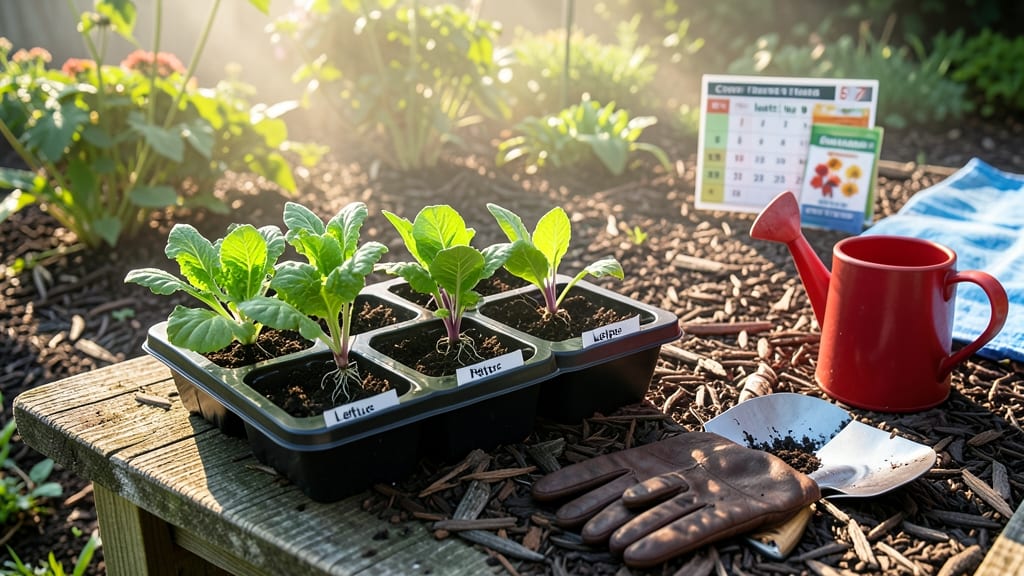
Planting a garden in Colorado depends on when your elevation zone warms up — typically mid-April to early June for most areas, but high-altitude spots like Telluride can wait until July.
Colorado’s diverse elevation zones create unique gardening challenges—plant too early, and frost will kill your seedlings; too late, and summer heat arrives before harvest. Timing is everything, but the right schedule depends on whether you’re in the Front Range, Western Slope, or high-altitude regions.
Cool-season crops like spinach and peas can go in as early as March in Denver, while tomatoes and peppers need to wait until after the last frost, often mid-May or later. High-altitude gardens may even start planting in June to avoid early frosts.
Below, I’ll break down the exact frost-free windows by elevation, plus soil prep tips and heat-resistant varieties that thrive in Colorado’s unpredictable climate.
Colorado’s frost-free dates by elevation zone: key planting windows
Colorado’s elevation ranges from 2,500 feet in the Arkansas Valley to over 10,000 feet in the mountains, creating wildly different frost-free windows.
At lower elevations like Denver (5,280 ft), the last spring frost typically arrives between April 15-30, while high-altitude areas like Telluride (8,750 ft) may not see frost-free conditions until June 1-15. Understanding these zones helps you choose the right planting schedule for your garden’s success.
For warm-season crops like tomatoes and peppers, timing is critical—plant too early, and a late frost will devastate your seedlings. Conversely, cool-season crops such as spinach and carrots thrive when planted in early spring or late summer.
Below, I’ve broken down the last spring frost and first fall frost dates by elevation, along with ideal planting windows for your favorite vegetables.
At 2,500–4,000 feet, gardeners in the Arkansas Valley enjoy the longest growing season, with 180–200 frost-free days. This zone is perfect for double-cropping warm-season crops like corn and cucumbers in early spring and again in late summer.
Meanwhile, Denver’s 4,000–6,000 ft elevation offers a slightly shorter season, but with careful planning, you can still grow a bountiful garden of tomatoes, peppers, and squash.
For high-altitude gardeners above 8,000 feet, the challenge is even greater. The 90–110 frost-free days limit your options to fast-maturing varieties like ‘Early Girl’ tomatoes or ‘Cherry Belle’ radishes.
Focus on cool-season crops like lettuce, spinach, and peas, which thrive in cooler temperatures. Even in these short seasons, succession planting can maximize your harvest.
Urban gardeners in cities like Denver or Colorado Springs often experience microclimates that differ from rural areas. For example, downtown Denver’s concrete and buildings can trap heat, creating slightly warmer pockets than surrounding suburbs.
Use these microclimates to your advantage by planting heat-loving crops like okra or sweet potatoes in urban heat islands.
In rural areas, especially on the Western Slope, cooler nights and drier air can delay planting. If you’re in Grand Junction (4,500 ft), wait until May 15 to plant warm-season crops, even if the soil feels warm earlier.
Always check the USDA Plant Hardiness Zone Map for your specific location—Colorado spans USDA Zones 4–7, which directly impacts your planting schedule.
One of my favorite tricks for extending the season is using row covers or cold frames. These tools can push your last spring frost date back by 2–4 weeks or delay the first fall frost by the same amount.
For example, if your typical last frost is April 30, a cold frame might let you plant cold-sensitive crops like peppers as early as April 15.
Remember, these dates are averages, not guarantees. Colorado’s weather
How to adjust planting times for Colorado’s unpredictable weather patterns
Colorado’s weather can shift from freezing nights to 90-degree heatwaves in a single week, making planting timing tricky. I’ve learned to use season-extending tools and succession planting to protect my garden. The key is understanding how your elevation zone affects frost dates and adjusting accordingly.
In Denver or Boulder, where last frosts typically arrive around May 15, I wait until mid-May to plant warm-season crops like tomatoes and peppers.
Meanwhile, in Telluride or Leadville, where frosts linger until June 10, I rely on cold frames to get a jumpstart on seedlings.
- Use row covers to protect seedlings from late spring frosts (extend season by 2-3 weeks).
- Plant cold-hardy crops like spinach and peas in early April for Front Range gardens.
- Choose heat-tolerant varieties (e.g., ‘Solar Fire’ peppers) for high-altitude areas.
- Implement succession planting every 2 weeks for continuous harvests.
- Monitor microclimates—urban areas warm faster than rural zones.
For early heatwaves, I switch to shade cloth over tender plants and mulch heavily to retain moisture. In high-altitude gardens, I prioritize fast-maturing varieties like ‘Early Girl’ tomatoes (harvest in 60 days) over slower growers. This ensures I get a harvest before early September frosts hit.
Succession planting is my secret weapon. Instead of planting all my lettuce or radishes at once, I sow new seeds every 10-14 days throughout the season. This guarantees fresh produce even if early crops fail to bolt from heat or wilt from drought.
High-altitude gardeners should also consider container gardening near south-facing walls, where soil warms 5-10°F faster than open beds. I’ve had great success with container-grown basil thriving in Leadville’s short season by moving pots indoors during late-night frosts.
Finally, always check your local CoCoRaHS station for real-time weather data. In 2023**, my Boulder garden lost 30% of seedlings to a May frost—a reminder that even experienced gardeners need backup plans. With these adjustments, your Colorado garden can thrive despite the unpredictable weather.