
Planting
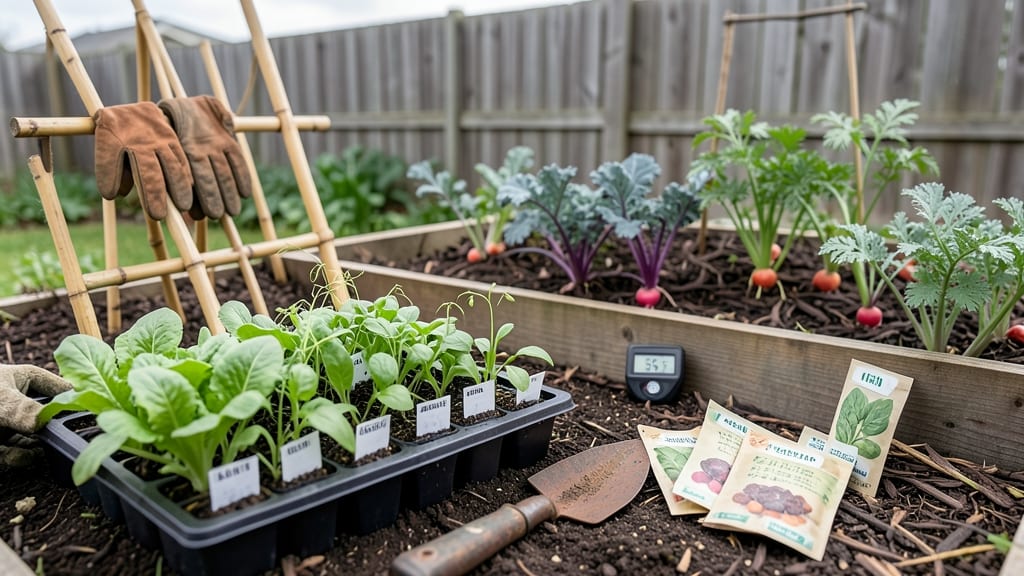
Planting a garden in Colorado at the right time means the difference between a thriving harvest and frost-killed seedlings — and the exact window depends on your elevation.
Colorado’s diverse elevation zones create wildly different planting seasons, from the Front Range’s 5,000–7,000-foot valleys to the High Plains’ 8,000+ feet chill. Get the timing wrong, and you’ll either rush crops that need warmth or wait too long for frost-sensitive plants to mature.
This guide breaks down the frost-free deadlines for your specific zone, including soil prep tips and the best crops to plant early or late. Whether you’re in Denver, Grand Junction, or the San Luis Valley, you’ll know exactly when to turn that first shovel.
Learn how to adjust for microclimates, from urban heat islands to mountain foothills, and discover the most reliable planting calendar for Colorado’s unpredictable weather.
Colorado planting deadlines by elevation zone: exact frost-free dates
Colorado’s dramatic elevation shifts mean your Denver garden might have 4-6 weeks longer growing season than a Grand Junction yard just 100 miles away. Understanding your frost-free dates is critical—planting too early risks frost damage, while waiting too long cuts your harvest window.
Let’s break down the exact timing for Colorado’s three main elevation zones.
The Front Range (5,000–7,000 ft) includes Denver, Boulder, and Fort Collins, where average last frost occurs between May 5–15. Meanwhile, the Western Slope (4,000–6,000 ft) around Grand Junction and Durango enjoys earlier springs, with last frosts typically by April 15–May 1.
High Plains areas (6,000–8,000+ ft) like Colorado Springs and Pueblo face later springs, with last frosts often lingering until May 15–30.
Here’s a quick reference for your planting deadlines based on elevation, including heat zone considerations that affect warm-season crops like tomatoes and peppers.
Your heat zone (5–8 in Colorado) directly impacts which warm-season crops thrive. For example, peppers and eggplants need Heat Zone 7+, so they’re best planted in late May–June on the Front Range but can start as early as April in the Western Slope.
Meanwhile, cool-season crops like lettuce and spinach can handle Heat Zone 4, making them safe to plant 4–6 weeks before your last frost date.
For high-altitude gardens (7,000+ ft), extend your season with row covers or cold frames. These tools can push your last frost date back by 2–4 weeks, giving you time to grow early potatoes or peas that might otherwise fail.
I’ve successfully used floating row covers to plant cabbage in April at 8,000 ft in Colorado Springs—something I never would’ve attempted without protection.
Pro tip: Use the CSU Extension’s frost date calculator for your exact location. Inputting your zip code and elevation gives you hyper-localized deadlines.
For example, Fort Collins (5,000 ft) might have a last frost of May 10, while Estes Park (7,500 ft) could see frost until May 25—just 15 miles apart but a 2-week difference.
Don’t forget to account for soil temperature, which often lags behind air temperature. In Colorado, soil typically warms to 50°F (ideal for planting) about 2–3 weeks after your last frost.
Test with a soil thermometer—if it’s still below 45°F, wait another week. I’ve seen seedlings rot in cold soil, even when air temps were perfect.
For succession planting, plan to sow cool-season crops every 2 weeks until June 1 (Front Range) or July 1 (High Plains). This ensures a continuous harvest of lettuce, radishes, and carrots.
Meanwhile, warm-season crops like tomatoes and beans should go in all at once after your last frost, with no replanting needed.
If you’re in a microclimate (e.g., a south-facing slope or
How to adjust planting times for Colorado’s microclimates
Colorado’s microclimates can turn a successful harvest into a failed experiment if you don’t adjust your planting strategy. Urban Denver’s heat islands bake soil faster than mountain foothills, while high-altitude valleys experience delayed warming.
Understanding these variations lets you extend your growing season and avoid common mistakes like late frosts or overheated seedlings.
One of my biggest lessons came from planting tomatoes in Denver—they thrived in my elevated raised beds, but the same seeds struggled in my neighbor’s low-lying yard just blocks away.
The difference? Microclimates. By learning to read your specific conditions, you’ll know exactly when to plant garden in Colorado for maximum yields.
- Urban Heat Islands (Denver/Aurora): Plant warm-season crops 2-3 weeks earlier than official frost dates—soil warms 10°F faster than rural areas.
- Mountain Foothills (Boulder/Evergreen): Use row covers to protect seedlings until May 15—late frosts linger until then.
- High-Altitude Valleys (Grand Junction): Start cool-season crops in March; warm-season plants need June 1 minimum.
- Succession Planting Hack: Sow lettuce every 2 weeks from April to August—microclimates let you harvest continuously.
- Cold-Hardy Crops: Prioritize kale, peas, and potatoes for early spring; they tolerate 28°F soil temps.
For urban Denver gardens, I’ve found that reflective mulches like aluminum foil can raise soil temperatures by 5-7°F, letting me plant peppers and eggplants 10 days earlier. Pair this with drip irrigation to prevent heat stress—my black plastic mulch beds stay 15°F warmer than bare soil.
In mountain foothills, I rely on floating row covers to create a mini greenhouse effect. These stretchy fabrics add 5-8°F of protection, letting me plant spinach and radishes in late March instead of waiting for April. Just remove them when flowers appear to prevent pollination issues.
High-altitude gardeners should focus on short-season varieties like ‘Early Girl’ tomatoes (55 days) and ‘Green Mountain’ potatoes. I’ve had success with cold frames—they let me start cabbage seedlings indoors in February and transplant them by April 1, beating the May frosts that plague my area.
Pro tip: Use Colorado State University’s frost maps (available online) to pinpoint your exact last frost date. Then adjust by 1-2 weeks based on your microclimate—this small shift can mean the difference between flourishing zucchini and wilted seedlings. 🌱