
Planting
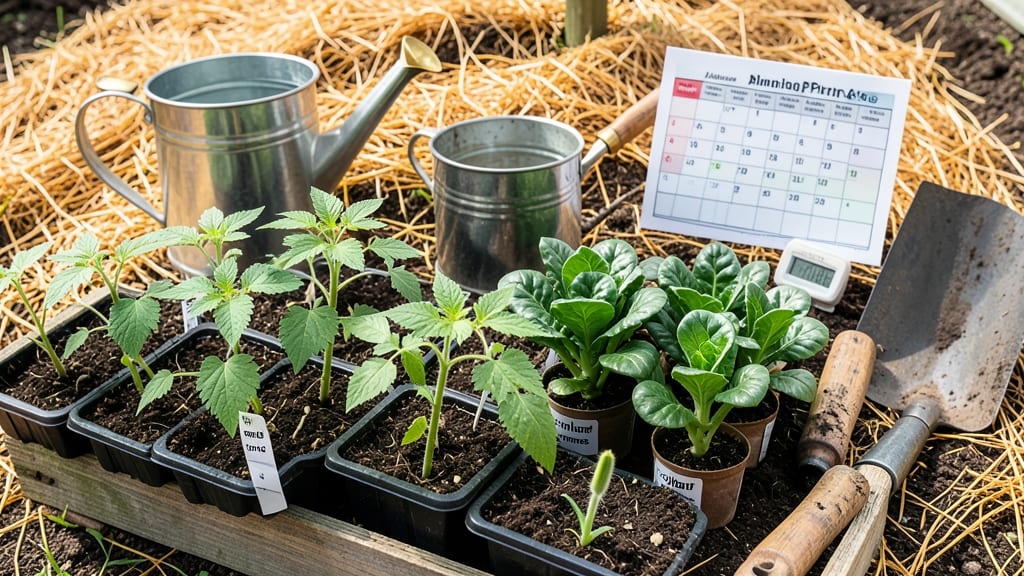
Planting a garden in Alabama at the right time means the difference between fast germination and waiting weeks for seeds to even sprout.
Alabama’s warm climate means your garden’s success hinges on timing—plant too early, and frost stalls growth; too late, and summer heat zaps seedlings. Mastering soil temperature triggers unlocks faster germination and bumper harvests.
In USDA zones 7a-8b, the window for cool-season crops like lettuce and peas opens in late February, while warm-season favorites such as tomatoes and peppers thrive once soil hits 60°F—usually by mid-April in most regions.
This guide breaks down the exact month-by-month planting schedule for your area, plus tips to stretch your season with row covers and succession planting for continuous harvests.
Alabama planting zones by month: soil temperature guides for each region
Alabama’s diverse climate—from the cooler Appalachian foothills in the north to the steamy Gulf Coast in the south—means your planting schedule should match your specific region. Soil temperature is the real game-changer: cool-season crops like lettuce and spinach thrive at 50°F+, while warm-season crops such as tomatoes and peppers need 60°F+ to germinate.
Ignore these benchmarks, and you’ll risk stunted growth or wasted seeds.
North Alabama (USDA Zones 7a-7b) has the latest last frost dates—often mid-April—while South Alabama (Zones 8a-8b) can start warm crops as early as mid-February.
Central Alabama (Zones 7b-8a) falls in between, offering a longer growing window. Use these monthly soil temperature guides to align your planting with nature’s rhythm.
Pro Tip: Test your soil temperature with a soil thermometer (insert 2–4 inches deep) before planting. If it’s cooler than your seed packet recommends, wait—even 10°F differences can delay germination by weeks.
For North Alabama, focus on late February to early April for cool-season crops like broccoli and peas. Once soil hits 60°F in May, switch to tomatoes, peppers, and squash.
In Central Alabama, you can start warm crops as early as April, but late frosts can still sneak in—always have row covers ready.
South Alabama gardeners enjoy the longest growing season. Plant cool crops in December for early spring harvests, then transition to warm crops by March. Okra and sweet potatoes thrive in the heat, but shade cloth can protect seedlings from intense sun until they establish roots.
Don’t overlook fall planting! In North Alabama, aim for late July to early September to beat the first frost. Central and South Alabama can extend this to October, letting you grow kale, carrots, and radishes well into winter.
Use a frost calendar (like the one from Alabama Cooperative Extension) to track local trends.
If you’re new to Alabama gardening, start with fast-germinating crops like radishes or lettuce to test your soil’s readiness. These 50°F-friendly plants give you instant feedback on timing. For warm crops, peppers often struggle if soil is below 65°F, so wait until late spring.
Remember: Soil warmth ≠ air temperature. A sunny day in March might feel mild, but the soil could still be 45°F—too cold for most seeds. Use black plastic mulch to warm soil faster in early spring, or straw mulch to slow heat loss in fall.
For container gardening, soil warms up 3–5°F faster than in-ground beds. This means you can plant warm crops 1–2 weeks earlier in pots. Just ensure containers have drainage holes to prevent waterlogged roots in Alabama’s humid summers.
🌱 Final Tip: Bookmark the Alabama Climate Tool (from UA Extension) for real-time frost and heat alerts. Your garden’s success starts with knowing when to plant—not just what to plant.
Best vegetables to plant in Alabama by season: fast-germinating picks for quick harvests
Alabama’s long growing season and warm climate let you grow a variety of vegetables year-round, but timing is everything. I’ve tested these fast-germinating varieties in my own garden, and they consistently deliver quick harvests—perfect for impatient gardeners or those with short attention spans!
For spring planting, focus on cool-season crops that thrive in Alabama’s mild temperatures. These varieties sprout in just 3-7 days, giving you early harvests before summer heat sets in.
In summer, heat-loving crops take center stage, while fall planting lets you squeeze in another round of cool-season favorites.
🌱 Lettuce (3–5 days germination), Peas (7–10 days), Spinach (5–7 days)
🌞 Okra (5–7 days), Sweet Potatoes (10–14 days), Tomatoes (6–10 days)
🍂 Kale (5–7 days), Broccoli (4–6 days), Carrots (7–10 days)
In spring, I start seeds indoors or direct-sow lettuce and spinach as soon as the soil warms to 50°F.
These leafy greens germinate in just 3-7 days, and you can harvest baby leaves in 3-4 weeks. Peas are another great early crop—they tolerate cooler temps and even improve soil health with their nitrogen-fixing roots.
For summer, switch to heat-loving crops like okra and sweet potatoes, which thrive in Alabama’s 90°F+ temperatures.
Okra germinates in 5-7 days and grows rapidly, while sweet potatoes take a bit longer (10–14 days) but reward you with sweet, starchy tubers in just 90-120 days. Tomatoes are a summer staple, and fast varieties like 'Early Girl' germinate in 6-10 days and produce fruit in 60 days.
Don’t overlook fall planting—it’s my favorite season for gardening in Alabama! Kale and broccoli germinate quickly (4–7 days) and sweeten up after a light frost. Carrots take a bit longer (7–10 days) but grow well in cooler soil. Plant these in late summer for harvests before winter sets in.
Pro tip: Use row covers or cold frames to extend your growing season. I’ve seen spinach and lettuce grow well into December with just a little protection. And always water deeply in the morning to encourage fast germination and strong root growth.
With these fast-germinating picks, you’ll have fresh veggies on your table in no time—no waiting months for harvests! Start small, experiment with varieties, and enjoy the rewards of Alabama’s generous growing season. 🌱