
Planting
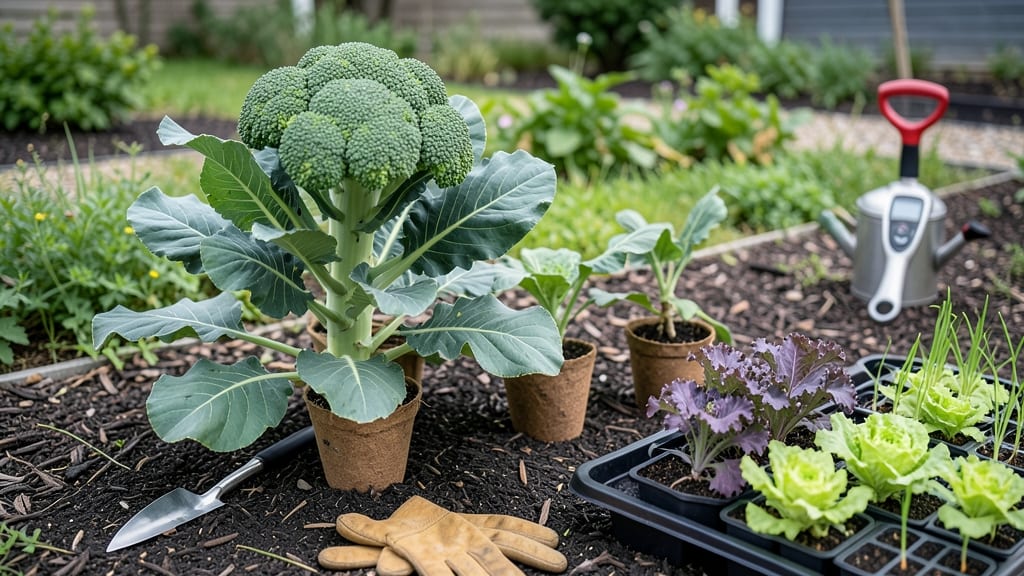
Planting a fall garden in Zone 7 means timing your crops to thrive before the first frost—usually between mid-August and early October, depending on soil warmth and crop maturity.
Fall gardening in Zone 7 can double your harvest—but planting too early or late means wasted effort and spoiled crops. Timing is everything, and soil temperature and crop maturity are the secret codes to success.
If you’ve ever watched your kale bolt in the heat or your carrots freeze before harvest, you know how critical those dates really are. The key is matching seeds to soil temps, not just calendar days.
Below, I’ll break down the exact planting windows for your top fall crops, soil temp thresholds, and how to stretch your harvest with row covers—so you can enjoy fresh greens and roots well into winter.
Zone 7 fall planting timeline by soil temperature (not just dates!)
Fall gardening in Zone 7 thrives when you shift from calendar dates to soil temperature—the real indicator of when crops will thrive.
While many guides suggest planting in September or early October, your success depends on whether your soil is still warm enough for warm-season crops or cool enough for fall favorites.
The ideal range for most fall crops is between 50°F and 75°F, but timing varies wildly between tomatoes (which need warmth) and kale (which thrives in cooler air).
Here’s the secret: Cool-season crops like spinach and carrots can handle soil temps as low as 45°F, while warm-season holdovers like peppers and basil need at least 60°F to germinate.
Ignoring this rule means either stunted growth or wasted seeds. Let’s break down the exact soil temperature thresholds and how to test them—so you can plant with confidence, not guesswork.
🌱
| Crop Type | Ideal Soil Temp (°F) | Planting Window | Notes |
|---|---|---|---|
| Cool-Season Crops | 45–65°F | Late August–Mid October | Spinach, kale, carrots, lettuce |
| Warm-Season Holdovers | 60–75°F | Early August–Early September | Tomatoes, peppers, basil, eggplant |
| Root Vegetables | 50–65°F | Mid August–Late September | Carrots, beets, radishes |
| Herbs & Greens | 55–70°F | Late July–Mid October | Cilantro, parsley, arugula |
| Flowers | 50–68°F | Early September–Mid October | Pansies, snapdragons, calendula |
To test your soil temperature, use a soil thermometer (or even a reliable outdoor thermometer placed on the soil surface). Stick it 2–3 inches deep—this is where seeds and roots actually experience the temperature. Check it in the late afternoon, as temps fluctuate daily.
If your soil is still above 70°F in early September, hold off on cool-season crops like broccoli or cabbage—they’ll bolt or rot in the heat.
For warm-season holdovers, like tomatoes or peppers, aim to plant when soil temps are between 60°F and 75°F. If you’re extending the season with row covers, you can push these crops slightly later, but monitor soil temps closely.
A sudden drop below 55°F will stall growth, and your plants may never recover.
🌿
One of my biggest mistakes early on was planting spinach in early September when soil temps were still hovering around 72°F. The seeds sprouted, but the seedlings looked weak and leggy—classic heat stress.
By waiting until soil temps dropped to 60°F, my spinach grew strong and bolt-resistant. The lesson? Soil temperature trumps calendar dates every time.
For cool-season crops, like kale or carrots, the sweet spot is 50°F–65°F. These crops can even handle a light frost, but planting too early (when soil is still warm) risks bolting or poor flavor.
A good rule of thumb: If your soil is above 65°F, wait at least 2–3 weeks before planting leafy greens.
🌡️
Pro tip: Use a soil warming trick if you’re eager to plant cool-season crops earlier. Lay down black plastic mulch for a week before planting to raise soil temps quickly.
Conversely, if your soil cools too fast, use straw mulch to insulate and slow the drop. These simple adjustments can extend your planting window by 2–3 weeks in either direction.
Finally, don’t forget about crop maturity. Even if soil temps are perfect, a 90-day tomato planted in late August won’t ripen before frost. Match your planting window to your last frost date (typically November 15–December 1 in Zone 7) and count backward from there.
For example, if your bush beans take 50 days to mature, plant them by September 15 to ensure a harvest before cold sets in.
✂️
Best fall crops for Zone 7: maturity days & last planting dates
Fall gardening in Zone 7 rewards patience with hearty harvests, but success hinges on matching crop maturity with your last planting dates. Fast-growing greens like spinach can mature in 30 days, while root crops like carrots need 70-90 days.
Miss the window, and frost ruins your efforts. Let’s break down the best crops by speed and their absolute deadlines for Zone 7.
First, calculate your first frost date—typically mid-November in Zone 7. Subtract each crop’s days to maturity to find its last planting date. For example, a 50-day crop like radishes must hit the soil by October 10 to avoid frost damage.
Use this rule: earlier crops = longer harvest windows, but slower growers need early starts.
- 🌿 Fastest (30-45 days): Spinach, Lettuce, Radishes, Arugula – Last plant by Sept 15 (harvest before frost).
- 🥕 Mid-Speed (45-60 days): Kale, Swiss Chard, Beets, Turnips – Last plant by Sept 30 (extend with row covers).
- 🥬 Slowest (60-90 days): Carrots, Broccoli, Brussels Sprouts, Onions – Last plant by Aug 15 (start indoors!).
For fast crops like spinach, sow every 2 weeks from late summer to early fall for a staggered harvest. These greens tolerate light frosts (28°F) and even taste sweeter after a frost. My go-to variety is ‘Bloomsdale Long Standing’ spinach—it bolts slower in fall’s shorter days.
Root vegetables like carrots and beets need 60-90 days, so plant them by mid-August at the latest. Use loose, stone-free soil to prevent forking. I swear by ‘Danvers’ carrots—they’re reliable and store well.
For broccoli, opt for ‘Waltham 29’ (58 days) and start seeds indoors in July for transplants.
Extend your season with row covers or low tunnels. They add 4-6°F of warmth, pushing last planting dates back by 2-3 weeks. For example, Brussels sprouts (90 days) can now go in until September 1 instead of August 15. Just remove covers during the day to prevent overheating.
Don’t overlook herbs like cilantro and parsley, which thrive in cool weather. They mature in 40-50 days, so plant them by September 1.
My cilantro always bolts in summer heat, but fall’s cooler temps keep it lush until frost. Pair it with ‘Flat-Leaf’ parsley for a dual-purpose harvest.
Test your soil’s pH (6.0-7.0) before planting—fall crops like kale and Swiss chard crave slightly acidic soil. Amend with compost or aged manure for nutrients. Water deeply 1-2 times weekly, focusing on root zones. Mulch with straw to retain moisture and suppress weeds.