
Picking
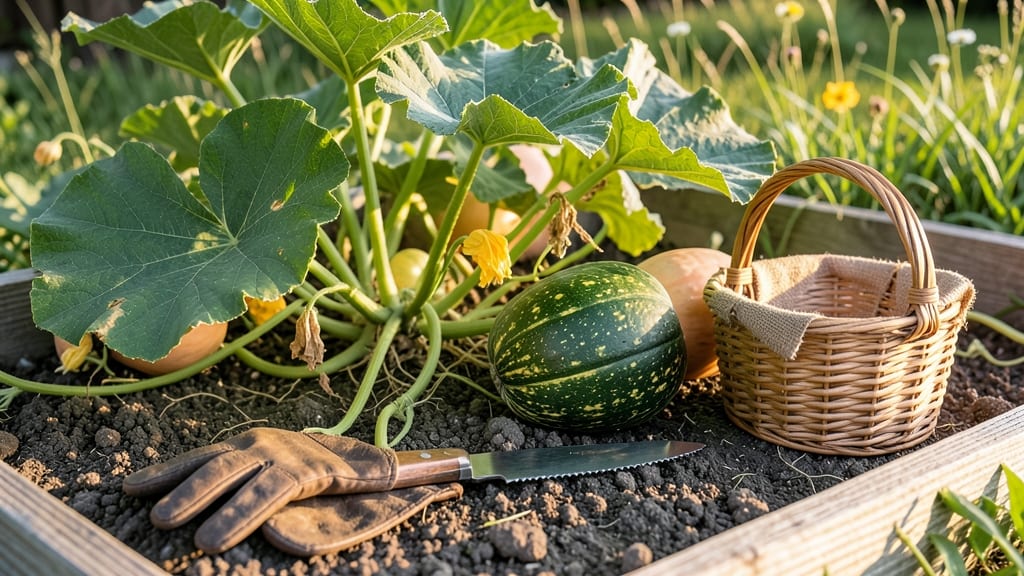
To pick squash from your garden at the perfect moment, watch for three key ripeness signals: skin hardness, color depth, and stem dryness 🎃 — these tell you when flavor and texture peak.
Harvesting too early means bland, seedy squash, while waiting too long turns it tough and stringy. I’ve learned the hard way that even a day’s delay can ruin a butternut’s sweetness or turn a zucchini into a rock-hard doorstop.
Whether you’re growing summer squash like zucchini or winter varieties such as pumpkins, the tactile tests are the same: press the skin, check the stem, and trust your fingers over a calendar. Regional frost dates matter too—squash in Zone 6a needs harvesting before the first chill in mid-October.
Below, I break down the three simple tests to nail your harvest, plus how to adjust for different squash types and seasonal shifts. No more guesswork, just perfect-picked produce every time.
3 Tactile tests to determine squash ripeness before harvesting
Knowing exactly when to harvest your squash can feel tricky—especially when you’ve spent months nurturing those vines. Unlike some fruits, squash doesn’t always ripen uniformly, and picking too early or too late affects flavor, texture, and even storage life.
The good news? You don’t need fancy tools to determine ripeness. These three tactile tests let you use your hands and eyes to assess readiness with confidence.
Whether you’re growing zucchini, butternut squash, or pumpkins, the same principles apply. The key is focusing on the stem separation, skin firmness, and seed development.
These indicators work for both summer squash (like zucchini) and winter varieties (like acorn or spaghetti squash), though the timing may vary slightly. Let’s dive into how to use your senses to get it right every time.
The Stem Twist Test
Gently grasp the stem near the fruit and twist it slightly. If the stem snaps cleanly (not tears) and separates easily, your squash is ready. For summer squash, this usually happens when they’re 6-8 inches long. Winter squash stems may require more resistance—look for a dry, papery texture at the stem base.
The Thumb Press Test
Press your thumb firmly into the squash’s skin. If it leaves a slight indent that bounces back slowly, it’s ripe. Overripe squash will feel mushy or spongy, while underripe squash will spring back immediately. For winter squash, the skin should be too hard to puncture with your thumbnail.
The Seed Check
Cut open a squash (if unsure) and peek at the seeds. For summer squash, seeds should be small and tender. In winter squash, seeds should be plump and fully formed but not shriveled. If seeds are large and hard, the squash is past its prime and may have a bitter taste.
For summer squash like zucchini, speed is critical. These varieties ripen quickly and can go from perfect to overripe in just a few days. I always harvest mine when they’re 6-8 inches long—this ensures tender skin and minimal seeds.
If you wait too long, the squash becomes woody and seedy, which is a shame after all your hard work!
Winter squash, on the other hand, are more forgiving. They continue to ripen after picking, so you can harvest them when they’re fully colored and the stem is dry. For example, a butternut squash should have a hard, glossy skin and weigh 3-5 pounds.
The longer you leave winter squash on the vine, the sweeter they become, but avoid letting them sit until they’re soft or rotting.
One common mistake I see is relying too much on color alone. While color changes (like deep yellow or orange) are a good indicator, they’re not foolproof. For instance, a zucchini might look ripe but still feel soft to the touch.
That’s where the tactile tests come in handy—they give you a consistent, hands-on way to confirm ripeness, regardless of variety.
Pro tip: Harvest early in the morning when temperatures are cooler. This reduces stress on the plant and helps preserve the squash’s freshness. Use a sharp knife or pruners to cut the stem, leaving about 1 inch attached to the fruit.
This prevents rot and extends shelf life. Store summer squash in the fridge for up to a week, while winter squash can last months in a cool, dark place.
If you’re unsure whether your squash is ready, err on the side of harvesting slightly early. Squash continues to ripen off the vine (especially winter varieties), so you can always let it sit on your countertop for a day or two to finish maturing.
Just avoid the trap of overripe squash, which attracts pests and spoils quickly.
With these three tactile tests, you’ll never second-guess when to pick your squash again. The next time you’re standing in your garden with a basket in hand, just remember: twist, press, and peek. Your future meals—and your plants—will thank you!
How to harvest different squash types at their peak
Not all squash varieties ripen the same way, so knowing when to pick squash from your garden depends on the type. Zucchini, butternut squash, and pumpkins each have unique signals that tell you they're ready for harvest.
For zucchini, timing is everything—pick them too late, and they become tough and seedy. Butternut squash, on the other hand, needs a hard rind and deep color before harvesting, while pumpkins require a dry stem to signal full maturity.
Understanding these differences ensures you enjoy the best flavor and texture. For storage varieties like butternut squash, harvesting at the right time also extends shelf life. Meanwhile, summer squash like zucchini should be picked frequently to encourage more production.
Let’s break down the harvesting cues for each type so you can confidently know when to pick squash from your garden.
| Squash Type | Harvest Cues | Best Size | When to Stop Harvesting |
|---|---|---|---|
| Zucchini | Skin is hard to puncture; 1-2 inch fingernail test | 6-8 inches long | Before seeds turn black and hard |
| Butternut Squash | Rind turns hard and deep orange; stem shrinks | 3-5 pounds | 2-3 weeks before first frost for storage |
| Pumpkins | Stem hardens and dries completely; color fully develops | Varies by variety (e.g., 10-20 lbs) | After stem fully dries (1-2 weeks post-ripening) |
For zucchini, I always aim to harvest when the fruit is still young—typically 6-8 inches long. At this stage, the skin is tender but firm, and the seeds are tiny and edible.
If you wait too long, the zucchini will become fibrous and develop large, inedible seeds. I like to check my plants every 2-3 days in peak growing season to avoid missing the perfect window.
Butternut squash, however, requires patience. The key is waiting until the rind turns hard and deep orange. I test this by pressing my thumbnail into the skin—if it doesn’t leave a mark, it’s ready. A fully mature butternut should also weigh between 3-5 pounds.
For storage varieties, I stop harvesting about 2-3 weeks before the first frost to allow the squash to fully cure and develop a tougher skin for long-term storage.
Pumpkins are the most dramatic of the bunch. They’re ready when the stem hardens and dries completely, which can take 1-2 weeks after the rind fully colors. I look for a stem that’s papery and brown, almost like it’s ready to fall off.
For pumpkins destined for carving or long-term storage, I leave them on the vine until the stem is fully dry. This ensures they’ll keep for months in a cool, dry place.
One common mistake I see is harvesting squash too early for storage varieties. If you pick butternut squash or pumpkins before they’re fully mature, they won’t store well and may spoil quickly.
Always prioritize full ripeness for winter squash, even if it means waiting a little longer. For zucchini, though, the opposite is true—harvest early and often to keep the plant producing!