
Picking
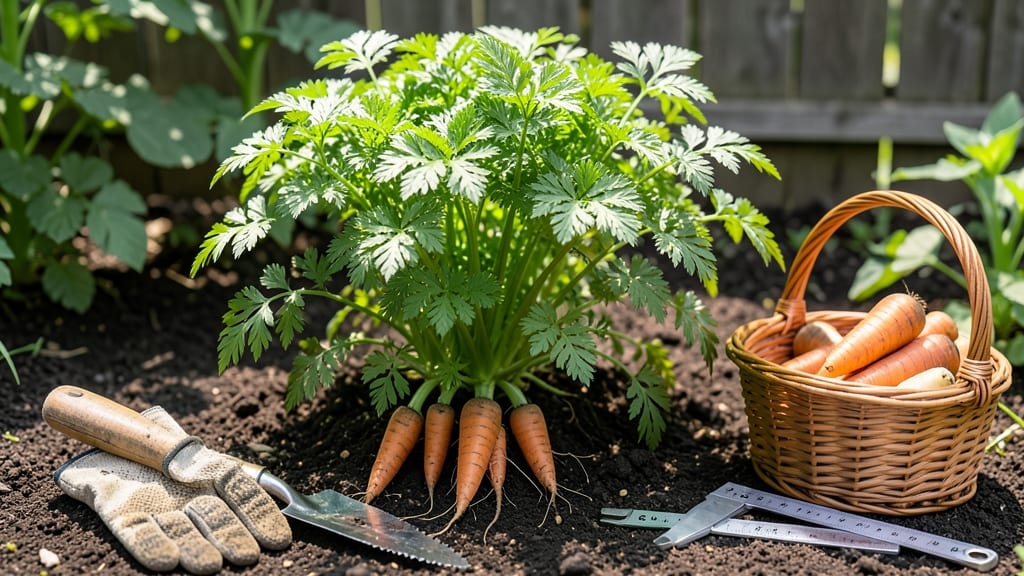
To pick carrots in the garden at the perfect moment means snapping up roots that are sweet, tender, and free of that dreaded woody texture—so when exactly should you pull them?
Harvesting too early leaves you with tiny, underdeveloped roots, while waiting too long turns them tough and bitter. The key lies in a mix of size, color, and leaf cues that most gardeners overlook—like the telltale yellowing of the stem end or the firmness of the skin.
In USDA Zone 6a, spring carrots planted in March should be ready by June or July, while fall crops sown in August can be harvested as late as October or November. But timing isn’t just about the calendar—soil conditions, weather, and even the variety play a role.
Below, I’ll walk you through the exact signs to watch for, how to test for readiness without damaging the roots, and why a quick soil check can save your harvest from splitting or bolting.


Carrot harvest timing: soil & leaf cues to pick at peak flavor
Timing your carrot harvest is an art that balances root size, leaf maturity, and soil conditions. Unlike many vegetables, carrots don’t give obvious external signs like fruit ripening—so you’ll need to check both above and below ground.
The best time to harvest is when roots reach 6-8 inches for standard varieties, but this varies by type (e.g., baby carrots at 3-4 inches). Ignoring these cues can turn sweet, crisp roots into tough, woody disappointments.
Start by testing soil moisture and root firmness. Loose, crumbly soil makes it easier to check root development without damaging them. If the soil feels compacted or dry, your carrots may have already passed their prime.
For leaf cues, look for deep green foliage with a yellowing base—this signals the plant is redirecting energy to the root. But beware: wilting leaves or brown edges mean it’s past time.
🌱
For a foolproof method, gently pull a test carrot from the soil every few days once tops reach 3-4 inches. If the root is firm with no green stem (the top 1 inch should be yellow/brown), it’s time to harvest.
Pro tip: Water the soil 2-3 hours before pulling to loosen roots and reduce breakage. This works especially well for heirloom varieties like 'Danvers' or 'Nantes', which can split if soil is dry.
Seasonal timing matters too.
In spring crops, aim for harvest by late June to avoid bolting (flowering), while fall crops should be pulled before the first frost—typically by mid-October in Zone 6a. If you’re growing short-day varieties (like 'Paris Market'), they’ll mature faster in cooler weather, so check roots 2-3 weeks earlier than long-day types.
Watch for leaf yellowing patterns—healthy carrots will show older leaves browning first, while stressed plants may yellow uniformly. If your carrots are forked or split, it’s often a sign of uneven soil moisture or rocky patches.
In this case, harvest what you can and improve soil next season by adding compost or sand for better drainage.
🌿
Don’t wait until the entire patch looks perfect—carrots continue growing even after reaching ideal size. For storage carrots, harvest a few at a time every 2-3 weeks to extend your harvest window.
Store them in a cool, humid place (like a root cellar) where they’ll keep for 2-3 months. If you’re growing rainbow carrots (purple, yellow, or orange), harvest when their color is deep and uniform—this ensures the best flavor and sweetness.
For container-grown carrots, check roots 1-2 weeks earlier than in-ground plants since they have less space to develop. If you’re using shallow pots, opt for baby carrot varieties like 'Little Finger' to avoid stunted growth.
Always use a deep container (12+ inches) and well-draining mix to prevent root binding.
🔍
Remember: harvesting too late is the #1 mistake gardeners make with carrots. Once roots exceed 1 inch in diameter, they start developing a woody core that’s nearly inedible.
If you’ve missed the window, you can still enjoy them shredded in salads or roasted for soups, but their texture won’t be ideal. For next season, mark your calendar 50-70 days after sowing as your harvest reminder—this simple trick will save you from tough, overgrown carrots.
Common mistakes that make carrots tough or split (and how to avoid them)
Even the most patient gardeners can end up with tough, woody carrots or split roots if they miss key growing cues. These problems usually start long before harvest—often in the soil or timing. Understanding the root causes helps you grow sweet, tender carrots every time.
One of the biggest mistakes is letting carrots grow past their prime harvest window. Most varieties reach peak flavor between 60-80 days, but waiting too long turns their texture hard and fibrous.
Even worse, over-mature carrots split open, making them unusable. The fix? Start harvesting when they reach desired size—not when you "think" they're ready.
Poor soil is another silent saboteur. Carrots need loose, stone-free soil to grow straight and tender. Compacted or rocky soil forces roots to twist, creating forked or misshapen carrots. Before planting, amend your soil with compost or sand to improve drainage and prevent these issues.
A simple soil test can reveal hidden problems like high clay content or nutrient deficiencies.
⚠️ CALLOUT WARNING ⚠️
🚨 When to Pick Carrots in Garden: The Critical Window
Harvest too early: Roots stay small and underdeveloped. Harvest too late: Carrots turn tough, woody, or split. Ideal time: When tops are 3-4 inches tall and roots feel firm but not hard when pressed. For baby carrots, harvest at 50 days; for full-size, wait 70-80 days.
Pro Tip: Gently pull a few test carrots to check texture. If they resist easily and have a deep color, they're ready!
Inconsistent watering also plays a role. Carrots need steady moisture to grow evenly, but sudden dry spells or overwatering can cause cracked roots. Water deeply once or twice a week, aiming for 1 inch of water per week.
Mulching helps maintain even soil moisture and prevents temperature fluctuations that stress roots.
Another common pitfall is harvesting in harsh weather. Pulling carrots during extreme heat or cold can damage their delicate structure. Wait for cool, overcast days to harvest.
If you must pick in hot weather, do it in the early morning when soil is moist. This reduces stress and keeps roots intact.
To avoid these mistakes, start with well-prepared soil, monitor growth closely, and harvest at the first sign of readiness. With these adjustments, you'll enjoy crisp, flavorful carrots straight from your garden—no tough surprises! 🥕