
How To
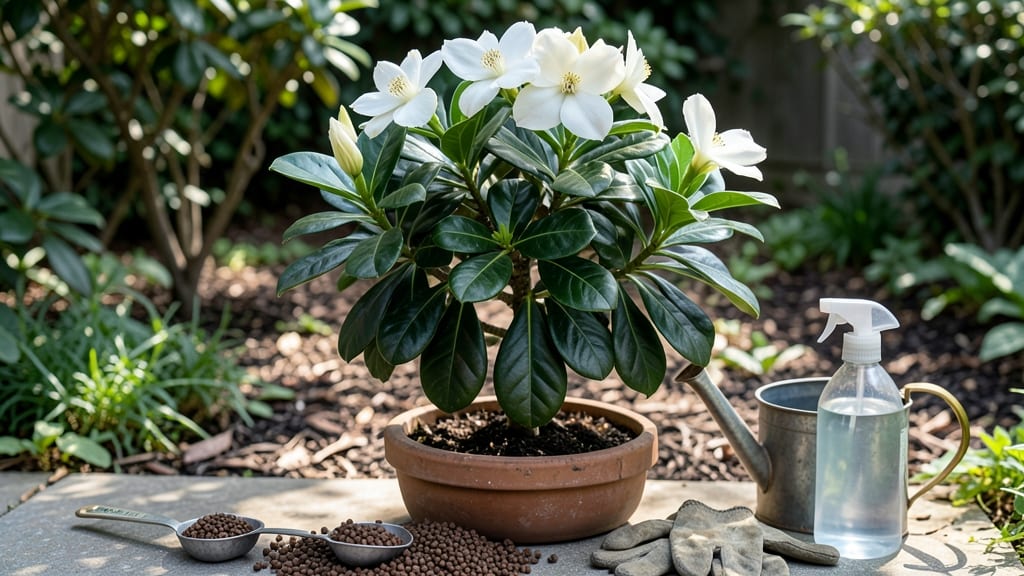
To fertilize gardenias at the right time is the secret to fragrant blooms and lush foliage that make your garden the envy of the neighborhood.
Picture this: you’ve nurtured your 🌸 gardenia all winter, and now the buds are forming—but they’re small, sparse, or just not opening.
That’s your plant whispering, "I need more than water now." The difference between a showstopper shrub and a struggling one often comes down to when (and how) you feed it.
Gardenias thrive in acidic soil and bloom best when fertilized in early spring, just as new growth emerges. But timing isn’t one-size-fits-all—overdo it in summer, and you’ll stunt blooms; skip it entirely, and your plant will tell you with yellowing leaves or no flowers at all.
In this guide, I’ll walk you through the exact schedule for fertilizing your gardenia by season, the best fertilizers to use, and how to spot when your plant is begging for a boost—or when it’s better to let it rest. No guesswork, just results.

Optimal fertilization timeline for gardenia blooms by season
Timing your gardenia's fertilization schedule is the secret to those fragrant blooms you dream of. These acid-loving shrubs thrive when fed at the right moments, aligning with their natural growth cycles.
Skip the wrong timing, and you'll end up with leafy greens but few flowers. Let's break down the perfect monthly plan to maximize those show-stopping gardenia blooms all season long.
Gardenias need nutrient boosts during active growth but rest during dormancy. The key is feeding lightly in early spring to kickstart growth, then heavily in late spring to encourage blooming buds.
Summer requires gentle maintenance, while fall and winter are complete rest periods. Understanding these phases ensures your plant puts energy into roots, foliage, and flowers—not just random growth.
Here's your seasonal fertilization roadmap, including product recommendations and growth stage considerations:
| Season | Month | Fertilizer Type | Frequency | Amount | Growth Stage |
|---|---|---|---|---|---|
| Spring | March | Slow-release acid fertilizer | Once | 1 tbsp per plant | New growth begins |
| April-May | High-phosphorus (10-20-10) | Every 4 weeks | 1 tbsp per plant | Bloom bud formation | |
| Summer | June | Light organic (cottonseed meal) | Once | ½ tbsp per plant | Active flowering |
| July-August | Balanced (7-9-5) | Every 6 weeks | ½ tbsp per plant | Post-bloom recovery | |
| Fall | September-October | None | - | - | Dormancy preparation |
| November-December | None | - | - | Full dormancy |
For container gardenias, reduce fertilizer amounts by 50% since roots are confined. Use water-soluble fertilizers for quick uptake, especially in hot summer months when nutrients leach faster. Always water your plant 24 hours before fertilizing to prevent root burn—a common mistake that stunts growth.
Organic options like fish emulsion or composted pine bark work well for gardenias, but synthetic acid-loving plant formulas deliver faster results. Mix organic and synthetic for a balanced approach.
For example, use cottonseed meal in spring for organic phosphorus, then switch to synthetic 10-20-10 in late spring for bloom boosts.
Watch for yellowing leaves after fertilizing—this signals overfeeding. Flush the soil with water 3 times to leach excess salts. If blooms are sparse, your gardenia might need more phosphorus. Switch to a 15-30-15 formula for 2 months to encourage more flowers, then return to a balanced ratio.
In tropical climates, gardenias grow year-round, so extend your fertilizing window to include September and October. Use half-strength feedings every 8 weeks during these months. For USDA Zone 6a growers, focus strictly on March-May and June-July, as cooler temps slow nutrient uptake.
Prune spent blooms immediately after they fade to redirect energy to new buds. This post-bloom pruning pairs perfectly with your summer feeding schedule. Avoid heavy pruning in fall or winter, as the plant needs all its energy for root development during dormancy.
Pro tip: Top-dress with compost in early spring before your first fertilizer application. This slow-release organic matter feeds roots all season, reducing the need for frequent synthetic feedings. For container plants, mix compost into the top 2 inches of soil instead.
By following this seasonal fertilization plan, your gardenias will reward you with lush foliage and abundant blooms from late spring through summer. The key is consistency and timing—don't rush the process, and your fragrant shrubs will thrive for years to come. 🌸
Signs your gardenia needs fertilizer (and when to skip it)
Your gardenia may be silently screaming for nutrients if its leaves turn yellow between veins or develop brown tips. These are classic signs of nitrogen deficiency, where the plant struggles to produce chlorophyll.
Even worse, small, sparse blooms or buds that drop before opening signal phosphorus starvation—critical for flowering.
Don’t panic if you spot pale green leaves or stunted new growth in late winter. Gardenias often slow down before their spring flush, and fertilizing too early can burn delicate roots. Instead, focus on soil acidity checks (aim for pH 5.0–6.5) and adjust your watering routine to prevent stress.
⚠️ When to Fertilize Gardenia (And When to Skip It)
FERTILIZE NOW if you see:
- ✅ Dark green leaves with new shoots (spring/summer)
- ✅ Bud formation but no blooms (phosphorus need)
- ✅ Slow recovery after pruning (nitrogen boost)
SKIP FERTILIZER if:
- ❌ Yellow leaves + mushy stems (overwatering, not hunger)
- ❌ Dormant in winter (no growth = no feeding)
- ❌ Burnt leaf edges (recent fertilizer burn)
💡 Pro Tip: Always fertilize in morning after watering to prevent root burn.
Overwatering can mimic nutrient deficiencies—wilting leaves with crispy edges often mean your gardenia is drowning, not starving. Before reaching for fertilizer, check the soil: Stick your finger 2 inches deep.
If it’s soggy, hold off on feeding and adjust your watering schedule to every 5–7 days in summer or bi-weekly in winter.
For container gardenias, root-bound stress (circling roots) can block nutrient uptake. Gently loosen roots at transplant time and top-dress with acidic compost instead of chemical fertilizers. Organic options like cottonseed meal release nutrients slowly, matching your plant’s spring growth surge.
If your gardenia’s blooms lack fragrance or open pale and small, it’s begging for magnesium or iron. A foliar spray of chelated iron (like Iron Chelate 6%) can revive color in 4–6 weeks, while Epsom salt (1 tbsp/gallon) boosts magnesium for lush foliage.
Test soil every 2 years—gardenias hate alkaline soil!
Remember: Less is more with gardenias. Over-fertilizing causes salt buildup in soil, leading to leaf scorch. Stick to a monthly feeding schedule from March to August, and skip fall/winter entirely. Your plant’s fragrant blooms will thank you.