
How To
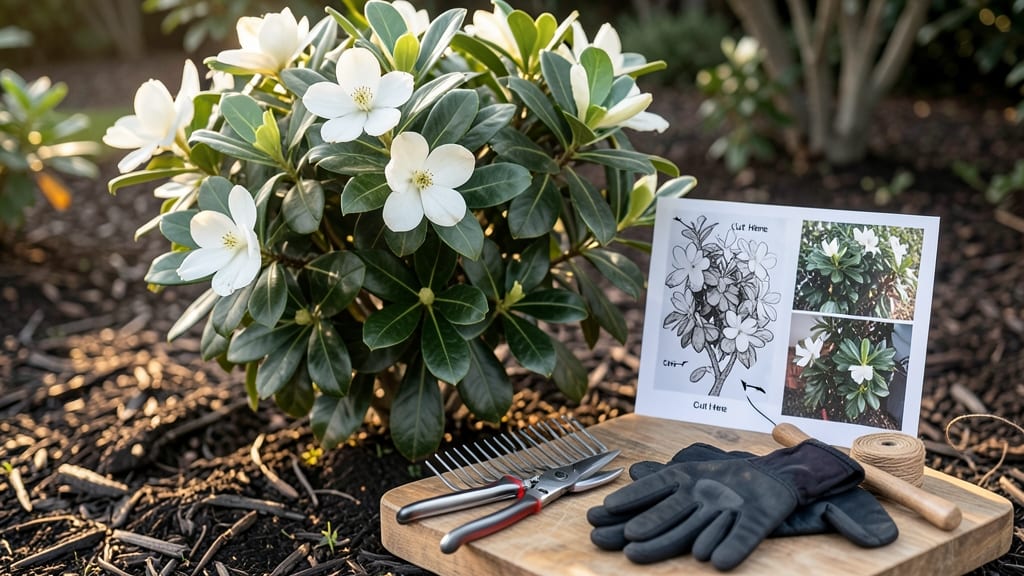
Cutting back your gardenia bush at the right time ensures vibrant spring blooms and a healthier plant 🌸 — and the key window is late winter, just before new growth starts.
Picture this: you’ve waited all year for those fragrant white flowers, only to prune too early or too late and watch your gardenia struggle. The difference between a lush, blooming bush and one that barely puts out leaves comes down to timing—and knowing when to make the cut.
For gardeners in USDA Zones 6a-9b, the ideal time is late February to early March, when the last frost has passed but buds haven’t yet swelled. This timing gives your gardenia enough energy to rebound and burst into flower by spring.
In this guide, I’ll walk you through the exact steps to prune your gardenia without stressing the plant, plus how to adjust for your local climate. You’ll learn how to shape it for maximum blooms and avoid the three biggest pruning mistakes that kill gardenias.
Best late-winter timing for pruning gardenia bushes
Pruning your gardenia bush at the right time in late winter is the key to unlocking abundant spring blooms and a healthier plant. Unlike many shrubs, gardenias bloom on old wood, meaning last year’s growth produces this year’s flowers.
Cutting back too early or too late can rob your plant of its flowering potential and even stress it unnecessarily.
Timing your prune just before new growth begins—typically between late February and early March in most temperate zones—ensures your gardenia has enough energy to push out fresh stems and flower buds.
This window aligns with nature’s cues, like rising temperatures and increased daylight, which signal the plant to wake up from its dormant phase.
The exact moment to prune depends on your local climate. In USDA Zones 8-10, where winters are mild, you might start as early as January. In colder Zones 6-7, wait until March when frost risk has passed and daytime temperatures consistently stay above 50°F (10°C).
Always prune after the last expected frost date in your area.
| Climate Zone | Best Pruning Window | Key Signs to Watch For | Temperature Threshold |
|---|---|---|---|
| Zones 6-7 (Cold Winters) | Late February - Early March | Bud swell visible, no frost risk | Above 50°F (10°C) |
| Zones 8-9 (Mild Winters) | January - Early February | New growth starting, no frost | Above 45°F (7°C) |
| Zone 10+ (Tropical) | December - January | After summer rains, before spring flush | No frost risk |
| Potted Gardenias (Any Zone) | 2-3 weeks after last frost | Tender new shoots appear | Above 40°F (4°C) |
One of the most reliable ways to determine if your gardenia is ready for pruning is to look for bud swell. These small, rounded bumps on the stems indicate that the plant is preparing to grow new shoots and flowers.
If you see these plump buds but haven’t yet spotted any fresh green growth, it’s time to prune. This usually happens 2-3 weeks before the last expected frost in your area.
Another critical cue is temperature consistency. Gardenias are sensitive to cold snaps, so wait until nighttime temperatures stay above 40°F (4°C) for at least a week. Cold weather can shock the plant and delay or prevent new growth.
If you’re unsure about your local frost dates, check the National Weather Service or a gardening almanac for your specific region.
Pruning too early in winter can leave your gardenia vulnerable to cold damage and disease, while waiting too long risks cutting off potential flower buds. Aim to finish pruning at least 4-6 weeks before your area’s average last frost date.
This gives your plant enough time to heal and establish new growth before spring’s chill sets in again.
In regions with mild winters, like Zone 9 or 10, you might even prune in December if you notice new growth starting. However, avoid pruning after late February in colder zones, as this can interfere with the plant’s natural blooming cycle.
Gardenias typically bloom in late spring to early summer, so timing your prune correctly ensures you don’t miss out on those fragrant, white flowers.
If you’re unsure whether your gardenia has already started growing, perform the finger test: Gently rub a stem between your fingers. If you feel a slight resistance or see tiny green tips, new growth is underway, and it’s time to prune.
If the stem feels smooth and woody, wait a few more days or even a week before cutting back.
Remember, the goal of late-winter pruning is to shape your gardenia, remove dead or diseased wood, and encourage bushier growth—not to drastically reduce its size.
Cut back only the outermost stems that are overcrowded or leggy, and avoid cutting into old wood where this year’s flowers will form. With the right timing, your gardenia will reward you with lush foliage and stunning blooms all season long.
Step-by-step guide to pruning gardenia bushes for maximum blooms
Pruning your gardenia bush is the key to unlocking those fragrant, creamy-white blooms you adore. The right technique encourages new growth while maintaining the plant's health. Start by gathering your tools—clean, sharp pruning shears and gloves are essential to avoid spreading disease or damaging tender stems.
Before you begin, inspect your gardenia for dead or diseased branches. These should be your first priority for removal, as they drain energy from the plant. Look for branches that are brown, brittle, or lacking leaves—these are clear signs they’re no longer viable.
Healthy branches, on the other hand, will have a green hue and firm texture.
Step-by-Step Pruning Process
- 1 Remove dead/diseased wood: Cut these branches back to healthy growth using a 45-degree angle just above a leaf node or bud. This promotes faster healing and new shoots.
- 2 Shape the bush: Trim overcrowded branches to improve air circulation. Aim to create an open, rounded shape—this allows sunlight to reach inner stems, encouraging more blooms.
- 3 Cut back leggy growth: If branches are too long or sparse, trim them by one-third to stimulate bushier growth. Focus on the outer edges to maintain balance.
- 4 Clean up: After pruning, sterilize your tools with rubbing alcohol to prevent bacterial spread. Remove all clippings from the area to reduce pests and diseases.
When making cuts, always aim for a clean, angled slice about ¼ inch above a leaf node. This angle helps water run off, reducing the risk of rot. Avoid cutting too close to the main stem, as this can damage the plant’s vascular system and hinder recovery.
After pruning, your gardenia will need extra care to bounce back strong. Water deeply to help it recover, and apply a balanced, acidic fertilizer (like 10-10-10) to support new growth. Within a few weeks, you’ll notice fresh green leaves and, eventually, those highly coveted blooms.
Pro tip: Take a before-and-after photo of your gardenia to track its progress. You’ll be amazed at how much healthier and fuller it looks after a proper pruning session! With patience and care, your gardenia will reward you with lush foliage and stunning flowers all season long. 🌸