
Blooming
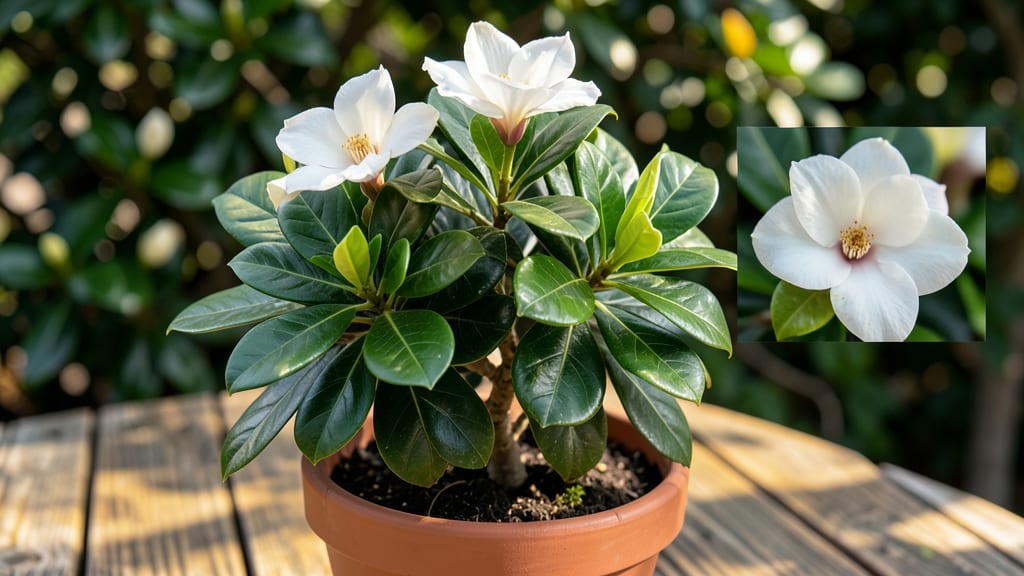
Gardenias bloom for weeks to months, depending on the variety and how you care for them 🌸 — but most gardeners miss the tricks to extend their floral display.
Picture this: your gardenia’s heavy, creamy blooms filling the air with intoxicating perfume for six weeks straight, only to fade too soon. That’s the frustration many gardeners face, especially in hotter climates where blooms can last just two weeks if conditions aren’t right.
What you’ll discover here is how to decode your gardenia’s natural blooming timeline by variety—whether it’s the classic G. jasminoides or the less common G. radicans—and how small adjustments in light, water, and feeding can add weeks of extra blooms.
From the 6a zone to tropical regions, I’ll walk you through the exact care tweaks that keep gardenias flowering longer, so you’re not left wondering why your neighbor’s shrub stays in bloom while yours doesn’t.
Gardenia bloom duration by variety: from weeks to months
If you’ve ever admired a gardenia’s intoxicating fragrance only to watch its blooms fade too soon, you’re not alone. The duration of gardenia blooms varies dramatically by variety, with some varieties gracing your garden for just 2-3 weeks while others reward you with months of continuous flowers.
Understanding these differences helps you choose the perfect gardenia for your climate and care style.
The most popular gardenia, Gardenia jasminoides, is the star of fragrant landscapes, but even within this species, bloom lengths differ. Some cultivars like 'Kleim’s Hardy' bloom for 6-8 weeks in ideal conditions, while others like 'Radicans' produce shorter bursts of flowers.
Tropical varieties often outperform their temperate cousins in extended bloom periods, thanks to their natural adaptation to warm, humid climates.
Here’s the key: repeat-flowering gardenias are the gold standard for long-lasting blooms. These varieties produce multiple flushes of flowers throughout the growing season, rather than a single, fleeting display.
For example, 'Veitchii' and 'Fortuniana' are known for their ability to rebloom, extending their floral show from late spring to early fall in the right conditions.
But why do some gardenias bloom for months while others fade in weeks? The answer lies in their genetic traits and environmental needs. Tropical gardenias, like those native to Southeast Asia, evolved to bloom continuously in warm, humid climates.
In contrast, hardy gardenias (like 'Kleim’s Hardy') have adapted to cooler climates and often produce a single, shorter bloom cycle in spring or summer.
| Variety | Bloom Duration | Peak Season | Repeat Bloomer? | Notes |
|---|---|---|---|---|
| Gardenia jasminoides | 4-6 weeks | Late spring | No (single flush) | Classic fragrant variety; needs warm climate. |
| 'Kleim’s Hardy' | 6-8 weeks | Mid-spring | No (single flush) | Hardy to USDA Zone 7; shorter blooms but cold-tolerant. |
| 'Veitchii' | 8-12 weeks | Late spring to early fall | Yes (repeat bloomer) | Large, fragrant blooms; thrives in heat and humidity. |
| 'Radicans' | 3-4 weeks | Summer | No (single flush) | Climbing variety; shorter bloom but unique habit. |
| 'Fortuniana' | 10-14 weeks | Spring to early fall | Yes (repeat bloomer) | Tropical beauty; needs high humidity and warmth. |
| 'Augusta' | 5-7 weeks | Late spring | No (single flush) | Large, glossy leaves; shorter bloom but striking foliage. |
If you’re dreaming of a gardenia that blooms for months, focus on repeat-flowering varieties like 'Veitchii' or 'Fortuniana'. These cultivars are bred to produce multiple cycles of blooms, provided they receive consistent care.
For example, 'Fortuniana' can bloom from late spring to early fall in tropical climates, while 'Veitchii' thrives in heat and humidity, rewarding gardeners with extended floral displays.
For gardeners in cooler climates, 'Kleim’s Hardy' is a fantastic choice, even though its bloom duration is shorter. Its ability to withstand USDA Zone 7 temperatures makes it a reliable pick for northern gardens.
However, its single flush of blooms means you’ll need to plan for a shorter, but still fragrant, display. If you’re in Zone 8 or higher, tropical varieties like 'Veitchii' will shine, offering longer bloom periods and richer fragrances.
One common misconception is that all gardenias bloom at the same time. In reality, their timing is influenced by day length and temperature. For instance, 'Fortuniana' may start blooming in late spring but continue producing flowers into early fall if conditions remain warm and humid.
Meanwhile, 'Kleim’s Hardy' typically blooms in a 4-6 week window in mid-spring, aligning with cooler temperatures.
To maximize bloom duration, pay attention to your gardenia’s light and humidity needs. Gardenias thrive in partial shade, especially in hot climates, where afternoon sun can scorch their delicate blooms.
Additionally, maintaining high humidity levels (60% or higher) is critical for tropical varieties. In dry climates, consider using a humidifier or misting system to create the ideal environment for extended blooming.
Finally, don’t overlook the role of pruning and fertilization. Pruning your gardenia after its first bloom encourages new growth, which can lead to a second flush of flowers in some varieties.
Climate zone impact: how temperature and humidity affect blooming length
Your gardenia's blooming timeline isn't set in stone—it's directly tied to your USDA climate zone and local microclimates.
In USDA zones 9-11, tropical gardenias like G. jasminoides can bloom continuously for 8-12 months with proper care, while gardeners in zones 5-7 typically enjoy just 2-3 months of peak flowering each summer. The difference?
Temperature and humidity create dramatic shifts in bloom duration that even the hardiest varieties can't ignore.
Humidity plays a surprisingly large role—gardenias crave 60-80% humidity to maintain their signature fragrance and bloom production. In dry USDA zone 7 climates like Denver, gardenias might produce 30% fewer blooms compared to their humid Florida counterparts in zone 10.
The key difference? Florida's year-round moisture keeps buds hydrated and stress-free, while dry climates force plants to conserve energy, shortening their bloom windows.
🌡️ 🌡️ Temperature Thresholds for Gardenia Blooms 🌡️
Microclimates create another layer of complexity. A gardenia planted against your south-facing brick wall in zone 6 might bloom 4-6 weeks longer than one in full sun, thanks to the wall's heat retention.
Conversely, gardenias in shaded microclimates (like under tall trees) often produce smaller, fewer blooms because they struggle to photosynthesize enough energy. The solution? Place your gardenia where it gets morning sun and afternoon shade—this balances temperature and light for optimal blooming.
In tropical climates (zones 10-11), gardenias often bloom year-round if given consistent moisture and acidic soil (pH 5.0-6.0). The key is mimicking their native conditions: high humidity, even temperatures, and regular watering.
In temperate zones (5-9), gardenias typically follow a spring-to-fall blooming cycle, with peak production in late spring when days are warm but nights remain cool. The transition between seasons is critical—sudden temperature swings can cause bud drop, cutting bloom time short.
To extend blooming in cooler climates, try these seasonal adjustments: In early spring, mulch heavily to protect roots from temperature fluctuations. In late summer, reduce watering slightly to harden off plants before fall.
And in winter, move potted gardenias to a garage or shed if temperatures drop below 30°F (-1°C). These small tweaks can add 2-4 extra weeks of blooms to your gardenia's timeline.
🌿 Humidity Hacks for Longer Blooms 🌿 For gardeners in dry climates, increase humidity around your gardenia by:
- Grouping plants together to create a micro-humid environment
- Using a pebble tray with water beneath the pot
- Mist leaves daily in afternoon (avoid evenings to prevent fungal risks)
- Installing a small indoor fountain near outdoor gardenias
Remember, gardenias are not drought-tolerant—they thrive on consistent moisture, especially during bloom season. The more you can replicate their tropical origins, the longer and more fragrant their blooms will be.