
Pruning
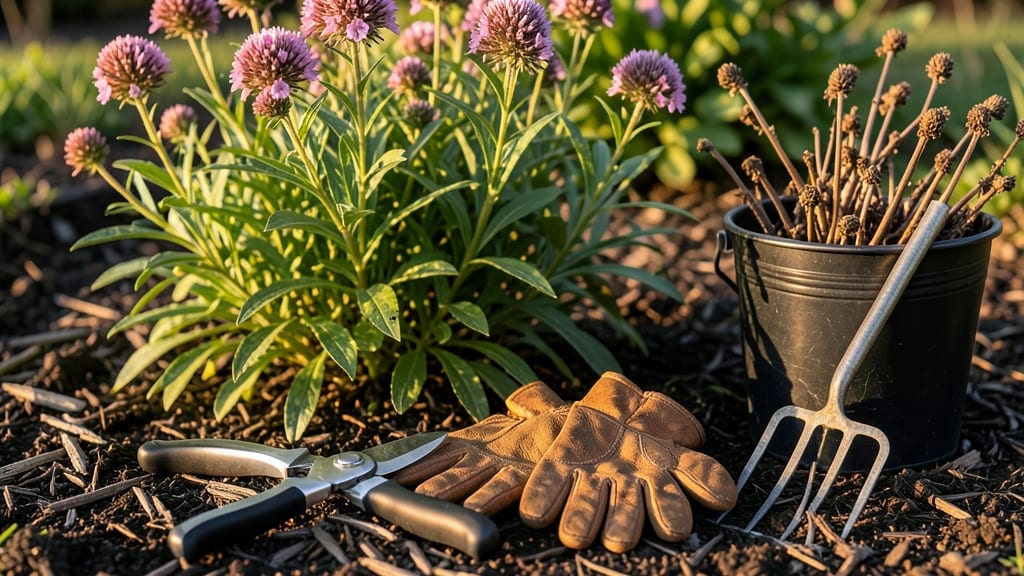
Cutting back garden phlox in late fall sets the stage for next year’s best blooms 🌸—but timing it wrong can leave your plants vulnerable to disease or weak regrowth.
If you’ve ever stared at your phlox wondering, “Should I trim now or wait?”, you’re not alone. The key is acting after the first frost, when the foliage has browned but before winter’s harshest freeze.
This 30-day window is your golden opportunity to clear out last year’s growth without shocking the roots.
Why does this matter? Pruning at the right moment encourages fresh, vigorous growth in spring, while also reducing hiding spots for pests. In warmer zones like 6a, you might start as early as October, but in colder areas, hold off until November.
The goal? A clean cut that keeps your phlox thriving.
Below, I’ll walk you through the exact steps—plus common mistakes to avoid—so you can prune with confidence and enjoy healthier, more abundant blooms next season.
The ideal late fall timeline for cutting back phlox (with exact months)
Timing is everything when it comes to pruning garden phlox. If you cut back too early, you risk exposing tender roots to late-season pests and winter frost. But if you wait too long, dead foliage can harbor disease pathogens and smother new growth.
The late fall window—after your region’s first hard frost—strikes the perfect balance for healthy regrowth next spring.
Your exact timing depends on your USDA hardiness zone and local climate. In colder zones (3-5), you’ll prune later than in warmer zones (7-9). The key is watching for dormancy signs: browned, crispy foliage and stems that snap easily when bent.
This tells you the plant has entered winter dormancy and can handle pruning.
Here’s your zone-specific pruning timeline to follow, with exact months and frost-based triggers:
| USDA Zone | First Frost Date | Pruning Window | Key Trigger | Avoid Pruning Before |
|---|---|---|---|---|
| Zones 3-5 | Mid-October to early November | Late November to early December | After 3+ weeks of sub-40°F temps | First hard frost (below 25°F) |
| Zones 6-7 | Late November to mid-December | December to early January | After foliage turns brown and crispy | Ground freezing (soil temp below 32°F) |
| Zones 8-9 | January to February | February to March | After nighttime lows drop below 45°F | New growth appears (spring green) |
⚠️ Pro Tip: In mild winters (zones 8-9), wait until February to prune—earlier cuts can stimulate unwanted spring growth that frost will kill.
For gardeners in transition zones (6-7), pay attention to soil temperature more than calendar dates. Use a soil thermometer to confirm temps are consistently below 40°F (4°C) for at least 2-3 weeks. This ensures roots are fully dormant and won’t regenerate after pruning.
One common mistake is pruning too aggressively in late fall. While you’ll remove all dead foliage, leave 1-2 inches of stem above the crown. This residual stem acts as insulation for the crown during winter freezes and helps protect against voles or rodents that might tunnel near the base.
If you’re in a warmer microclimate (like a sheltered garden bed or urban heat island), your phlox may stay green longer. In this case, delay pruning until you see yellowing leaves or moldy stems—clear signs the plant is stressed and ready for a clean cut.
After pruning, mulch heavily (3-4 inches) with straw or shredded leaves to insulate the crown. This prevents frost heave and keeps roots consistently cold through winter. In sandy soils, add a thin layer of compost to retain moisture for early spring regrowth.
Finally, mark your calendar for next year’s early spring cleanup (late February to early March in most zones). This second pruning removes any leftover debris and encourages fresh foliage before the growing season. But for now, patience is key—your phlox is resting, not dead.
With this late fall timeline, you’ll give your phlox the best possible start for next year’s showstopping blooms. Just remember: timing beats everything when it comes to pruning perennials like phlox. 🌸
Step-by-step late fall pruning guide: how to cut phlox without killing it
Late fall is the ideal time to prune garden phlox, but timing and technique matter more than you might think. If done correctly, you’ll encourage healthier blooms next spring while preventing disease.
The key is cutting back after the first frost when foliage naturally dies back—but before winter’s harshest freeze sets in.
Start by gathering your sharp pruning shears and gloves. Avoid dull tools that tear stems, as this invites infection. Focus on removing dead or diseased foliage first, then trim back the remaining stems to 2-3 inches above the ground.
This height protects the crown while allowing new growth to emerge early.
⚠️ WARNING: Common Mistake Alert! ⚠️
Use sterilized shears to make clean cuts at a 45-degree angle just above a leaf node or bud. This encourages new shoots to grow outward rather than inward. For large clumps, divide the plant now if it’s become overcrowded, but only if the ground isn’t frozen.
After pruning, mulch heavily around the base with 2-3 inches of organic mulch (like shredded leaves or straw). This insulates the roots and retains moisture. Avoid synthetic mulches, which can suffocate the plant.
Water lightly if the ground isn’t frozen, but don’t soak it—wet roots in winter can lead to rot.
In USDA Zones 3-5, prune as late as November (after the first hard frost). For Zones 6-9, aim for October to early November, since milder winters mean less protection is needed. Always check your local frost dates to avoid cutting too early or too late.
Finally, label your pruned areas to remember where phlox is planted—it’s easy to forget before spring! Next year, you’ll notice fuller, bushier growth and longer bloom times if you’ve pruned correctly. The secret? Patience and precision in late fall pay off in spectacular spring blooms. 🌸