
Blooming
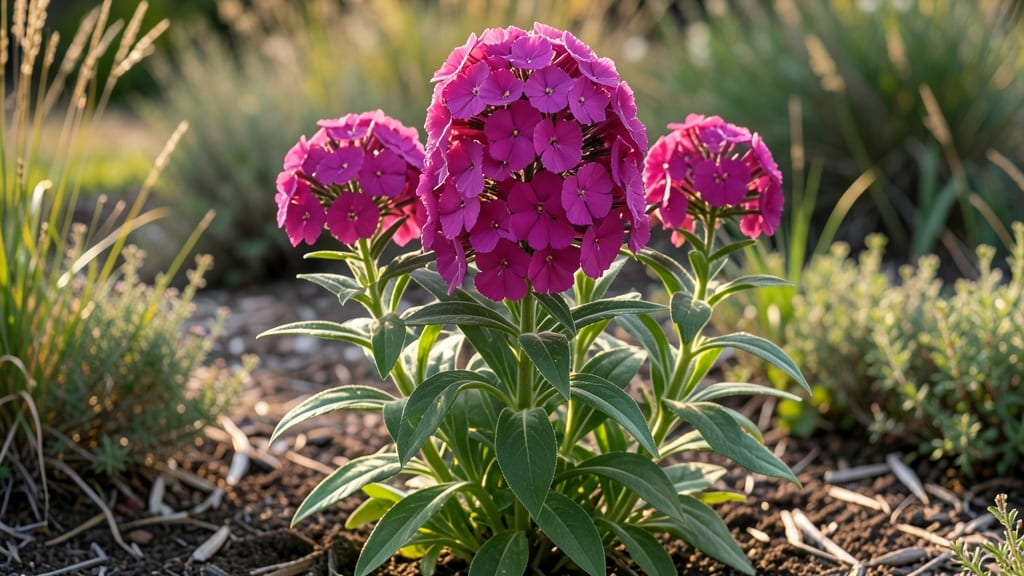
Garden phlox blooms in mid-to-late summer, turning your garden into a riot of color just when you need it most.
If you’ve ever wondered why your garden phlox seems to vanish in early summer only to explode in vibrant color later, you’re not alone—timing is everything when it comes to these beloved perennials. 🌸 The key lies in understanding how climate, variety, and even your planting zone shape their bloom schedule.
In USDA Zone 6, where many gardeners call home, expect phlox to burst into flower between July and September, with some late varieties stretching into early October. But heat and humidity can throw off the timing, so knowing how to adjust care makes all the difference.
Below, I’ll break down the exact months for your region, how to extend blooms with simple tricks, and which varieties stay vibrant even in the dog days of summer—so you can enjoy phlox’s showstopping display for as long as possible.
Garden phlox blooming seasons: exact months and climate dependencies
Garden phlox (Phlox paniculata) is one of summer’s most reliable bloomers, but its exact timing depends heavily on your USDA hardiness zone and the specific variety you’ve planted.
Unlike some flowers that bloom strictly in spring or fall, phlox thrives in mid-to-late summer, creating a stunning cascade of color when timed just right. Understanding these patterns helps you plan your garden layout and companion plants for maximum impact.
The blooming window for garden phlox typically spans from June through September, but cooler climates may see earlier starts, while hotter regions can extend flowering into early fall. Early-season varieties often kick off in late June, while late bloomers might linger until mid-October in frost-free zones.
Temperature plays a crucial role—phlox needs consistent warmth to trigger bud formation, but extreme heat can stress plants and shorten their bloom time.
In USDA zones 3–4, where summers are shorter and cooler, phlox typically begins blooming in mid-June and peaks in late July. These regions benefit from early-season varieties like ‘Early Callie’ or ‘Jeanie’, which thrive in the brief growing window.
If you’re in Zone 4, consider planting phlox near your south-facing fence to capture extra warmth and extend the bloom period.
Gardeners in zones 5–6 enjoy the sweet spot for phlox, with blooms starting in late June and lasting through August. This is where most mid-season varieties shine, including classics like ‘David’ and ‘Lipstick’.
The cooler nights in these zones help phlox retain moisture, reducing the risk of powdery mildew, a common issue in hotter climates. Aim for 6–8 hours of sunlight daily to keep your phlox robust.
For those in zones 7–9, phlox can become a late-summer staple, with blooms appearing as early as June and lasting into September or October. However, the intense heat in these zones can stress phlox, causing buds to drop prematurely.
To combat this, I recommend mulching with 2–3 inches of organic matter and providing afternoon shade during peak summer months. Varieties like ‘Blue Ridge’ or ‘White Delight’ are excellent choices for heat tolerance.
In Zone 9 and beyond, phlox can sometimes rebloom after a light pruning in early fall, especially if temperatures remain mild. This makes phlox a fantastic fall interest plant in regions like Southern California or Florida.
To encourage a second flush, deadhead spent blooms in September and provide consistent morning watering to keep roots hydrated without promoting fungal growth.
Temperature isn’t the only factor—humidity levels also influence phlox blooming. In high-humidity zones (like the Southeast), phlox may suffer from powdery mildew if air circulation is poor. To prevent this, space plants 18–24 inches apart and avoid overhead watering.
In dry climates, like those in the Southwest, phlox may need daily watering during heatwaves to prevent bud drop.
If you’re planting phlox for the first time, timing is key. For spring planting, aim to get seeds or transplants in the ground by late May in cooler zones or early April in warmer regions.
This gives roots time to establish before the heat of summer. For fall planting, late summer (around August) works well in zones 5–9, allowing roots to settle before winter.
Pro tip: To extend your phlox’s bloom time, deadhead spent flowers regularly and fertilize lightly with a balanced 10-10-10 formula every 4–6 weeks during the growing season. This encourages continuous flowering and keeps your phlox looking its best.
Pair phlox with companion plants like catmint or Russian sage to create a long-lasting summer border that attracts pollinators.
Understanding your local climate and choosing the right phlox variety ensures you’ll enjoy weeks of vibrant blooms from mid-summer through early fall. With the right care, your garden phlox can become the star of your seasonal displays, turning heads and filling the air with fragrance. 🌸
How heat and humidity impact phlox flowering: signs of stress and solutions
Phlox thrives in cooler temperatures but often struggles when summer heat arrives, causing drooping blooms or even premature wilting. When temperatures climb above 85°F (29°C), your phlox may signal distress through yellowing leaves or fewer flowers.
Humidity can also create a breeding ground for powdery mildew, which weakens stems and reduces flowering potential.
Understanding these stress signals is key to keeping your phlox vibrant. Unlike drought-tolerant plants, phlox needs consistent moisture but hates soggy roots. The challenge? Finding the balance between hydration and air circulation during peak summer months.
Let’s explore how to diagnose and fix these common issues before they ruin your garden’s summer display.
⚠️ WARNING: Ignoring heat stress in phlox can lead to permanent damage ⚠️
- Drooping foliage by midday (even with water)
- Brown leaf edges from excessive evaporation
- White powdery spots (mildew) on stems
- Bud drop before blooming
If you spot these symptoms, act fast—phlox can recover if you adjust care within 48 hours. The good news? With the right strategies, you can extend your phlox’s bloom time by 2–4 weeks even in hot climates.
Start with morning watering to reduce evaporation and fungal risks. Aim for 1–1.5 inches of water per week, delivered directly to the soil (not foliage).
Pair this with 2–3 inches of mulch to keep roots cool. Organic options like shredded bark work best—they also suppress weeds that compete for moisture.
For humidity control, improve air circulation by spacing plants 18–24 inches apart and pruning crowded stems. If your garden is prone to mildew, apply a neem oil spray every 2 weeks during peak heat. Avoid overhead watering, which traps moisture on leaves and encourages disease.
Strategic shade solutions can work wonders. Use lightweight shade cloth (30–50%) during the hottest hours (11 AM–3 PM) or plant phlox near taller perennials like coneflowers or black-eyed Susans for natural shade. Just ensure they still get at least 4–6 hours of morning sun—phlox needs light to fuel blooms.
Finally, deadhead spent blooms regularly to encourage new flowers. Heat-stressed phlox may produce fewer buds, but removing faded blooms redirects energy to stronger, healthier stems. Pair this with a balanced fertilizer (10-10-10) applied in early summer to support recovery without overstimulating growth.