
Planting
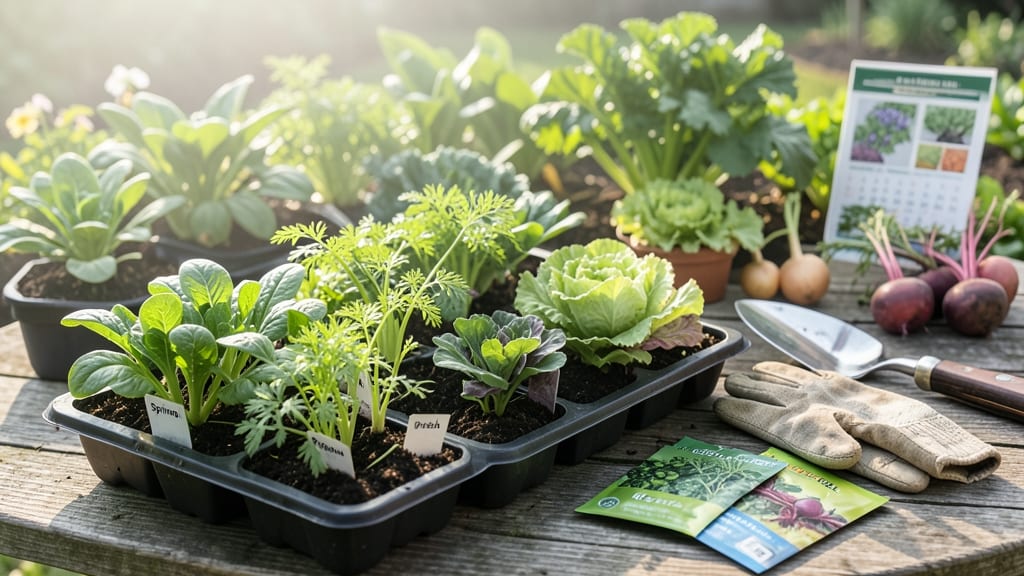
You should plant a garden in Michigan after your last average frost date—typically between late April and mid-May—but timing can make or break your harvest.
Michigan’s unpredictable spring weather can turn a gardener’s excitement into frustration if you plant too early—or too late. Knowing the exact last-frost dates for your county is the key to avoiding frozen seedlings and maximizing your harvest, whether you're growing tomatoes in Detroit or potatoes in Traverse City.
This guide breaks down county-specific frost dates, from the Upper Peninsula’s chillier Zone 4 to the warmer pockets of Zone 6, so you can align your planting with soil warmth and local microclimates.
Learn how to adjust for early or late frosts, choose the right crops for your region, and use simple tricks like row covers to extend your growing season—so you’re not left with wilted dreams by summer.
Michigan’s last-frost dates by county: 2024 planting timeline
Michigan’s last-frost dates vary dramatically from the southern border to the Upper Peninsula, making precise timing essential for your garden’s success. Warm-season crops like tomatoes and peppers need frost-free soil, while spinach and peas thrive in cooler conditions.
Understanding your county’s historical patterns helps you avoid frost damage while maximizing harvests.
Most of Michigan falls within USDA Zones 5-6, where average last-frost dates range from mid-April in southern counties to late May in the Upper Peninsula. However, early and late frost years can shift these dates by 2-3 weeks, so flexibility is key.
Below, I’ve broken down the average, early, and late frost dates for key counties to help you plan.
Pro Tip: Use a soil thermometer to confirm warmth (50°F+) before planting warm-season crops, even if frost dates suggest readiness. Cold soil can stunt growth regardless of air temperature.
| County | Avg. Last Frost | Early Year | Late Year | Warm-Season Ready | Cold-Hardy Ready |
|---|---|---|---|---|---|
| Wayne (Detroit) | April 20 | April 5 | May 5 | May 1 | March 15 |
| Oakland (Pontiac) | April 22 | April 7 | May 7 | May 3 | March 20 |
| Kalamazoo | April 25 | April 10 | May 10 | May 5 | March 25 |
| Grand Traverse (Traverse City) | May 5 | April 15 | May 20 | May 15 | April 5 |
| Marquette (Upper Peninsula) | May 15 | May 1 | June 1 | June 1 | April 15 |
| Washtenaw (Ann Arbor) | April 23 | April 8 | May 8 | May 3 | March 22 |
For southern Michigan counties like Wayne and Oakland, warm-season crops should wait until early May to avoid frost risk, while cold-hardy greens like spinach can be sown as early as mid-March.
In contrast, the Upper Peninsula often sees late frosts into mid-May, delaying planting until early June for heat-loving plants.
Historical data shows that late frost years (like 2014 and 2019) can push back planting dates by 2-3 weeks, especially in northern regions. To hedge your bets, use row covers or cold
How to adjust planting dates for Michigan’s microclimates
Michigan’s diverse geography creates microclimates that can shift planting windows by 2-3 weeks between Detroit and the Upper Peninsula. Urban areas like Grand Rapids often warm up faster than rural Northern Lower Peninsula farms, while the Upper Peninsula faces longer winters.
Understanding these variations helps you avoid late frosts that can devastate young seedlings.
For example, Detroit’s average last frost date is May 10-15, while Marquette in the UP may not reach safety until June 1-10. Even within cities, a south-facing garden might be 5°F warmer than a north-side plot.
These differences mean your neighbor’s planting schedule might not work for you—and that’s okay with the right adjustments.
⚠️ callout-warning ⚠️
Many Michigan gardeners wait until after Memorial Day to plant tomatoes or peppers, but by then, the 90-day growing window for varieties like 'Better Boy' tomatoes is already shrinking. Even with row covers, late starts rarely mature fully before fall frosts (Sept 15-Oct 15). Solution: Start seeds indoors 6-8 weeks before your last frost date and use cold frames to extend early/late seasons.
To adapt your schedule, begin by checking your local frost dates—not just the state average. The Michigan State University Extension provides county-specific data, and tools like the Old Farmer’s Almanac offer historical trends.
For urban gardeners, note that concrete and buildings absorb heat during the day, creating microclimates that can be 2-3 weeks earlier than rural areas.
Extend your growing season with row covers (like Reemay fabric) or cold frames, which can add 2-4 weeks to your planting window. For example, I use row covers to plant cabbage in early April in my Detroit garden, knowing it’ll survive light frosts.
A soil thermometer ($15 at garden centers) is another game-changer—warm-season crops like cucumbers need soil temps above 60°F, while cool-season spinach thrives at 40-50°F.
For the Upper Peninsula, focus on short-season varieties like 'Early Wonder' peas or 'Early Girl' tomatoes, which mature in 50-60 days. In Northern Lower Peninsula areas, succession planting every 2 weeks ensures a continuous harvest.
For instance, I plant lettuce in early May, again in late June, and once more in August to beat fall frosts.
Finally, keep a gardening journal to track your local patterns. Note when your first frost occurs in fall—this helps plan late-season crops like kale or radishes. Over time, you’ll refine your schedule to match your microclimate, turning Michigan’s challenges into a longer, more productive growing season. 🌱