Planting
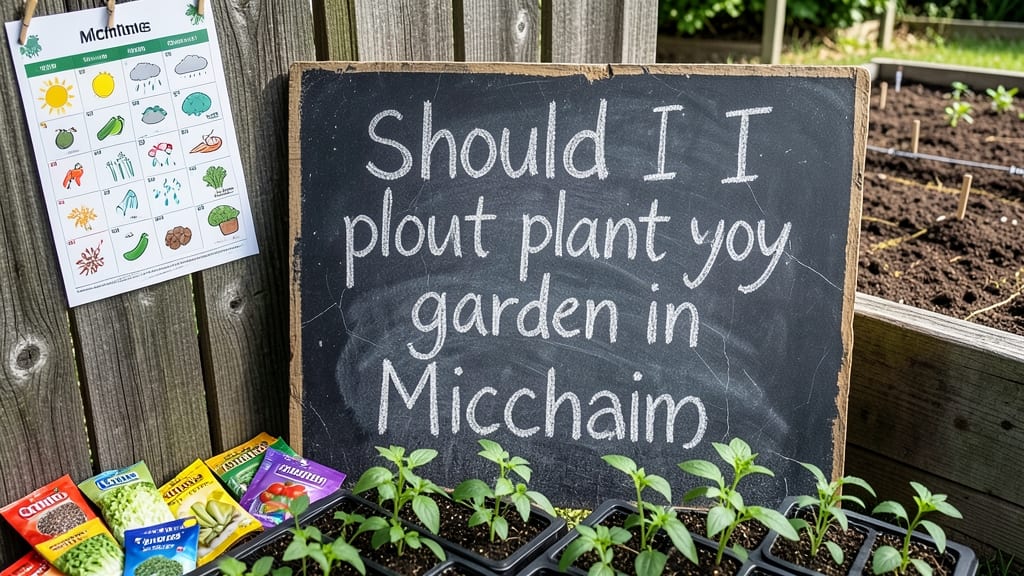
Planting your garden in Michigan at the right time means soil temperatures of at least 50°F for most vegetables and 60°F for warm-season crops like tomatoes.
Michigan’s unpredictable spring weather can turn gardening dreams into guesswork—but knowing the exact soil temperature triggers will help you plant at the perfect time for maximum yield and pest resistance.
Cool-season crops like spinach and peas thrive when planted as early as mid-April in southern Michigan, while northern regions should wait until late April or early May.
In this guide, I’ll break down the fastest way to test soil temperatures, adjust planting schedules for Michigan’s unique climate zones, and share the best early-season crops for a head start on the growing season.
Michigan planting zones & soil temperature guidelines by crop type
Michigan spans USDA Zones 4-6, meaning your planting schedule should shift dramatically from the Upper Peninsula to Detroit. The key to success? Soil temperature—not just air temperature—dictates when to plant.
For example, cool-season crops like peas thrive at 40°F soil, while warm-season crops like tomatoes need 60°F+. Northern Michigan (Zone 4) has a longer frost risk than southern regions (Zone 6), so timing adjustments are critical.
Most Michigan gardens experience their last spring frost between May 10-20, but this varies by 1-3 weeks depending on elevation and microclimates. For instance, Traverse City (Zone 5b) typically warms up faster than Marquette (Zone 4a).
Always use a soil thermometer—air temperature can be misleading. Planting too early risks frost damage, while waiting too long shortens the growing season.
Here’s how to match your crops to Michigan’s soil temperature triggers and USDA zones for optimal growth:
For Zone 4 gardens (e.g., Upper Peninsula), start cool-season crops indoors in March or use row covers to extend the season. In Zone 6 (e.g., Detroit, Ann Arbor), you can plant warm-season crops as early as April 20 if soil is warm enough.
Always check 7-day forecasts—a late frost can wipe out seedlings in 30 minutes.
One common mistake? Planting tomatoes or peppers too early. These heat-loving crops won’t germinate below 60°F, and even if they do, they’ll grow slowly. Instead, start them indoors in March and transplant after Memorial Day in most of Michigan.
For Zone 4, wait until June 1 to be safe.
Herbs like basil and dill also need warm soil. If you plant them too early, they’ll bolt (flower prematurely) or develop fungal diseases from cold, damp soil.
Test your soil temperature at 6 inches deep—this is where roots will be. A $10 soil thermometer is a game-changer for Michigan gardeners.
Don’t forget about succession planting! Even in Michigan’s short season, you can harvest bush beans every 3 weeks by planting new seeds in June, July, and August.
This works because beans thrive in 70-80°F soil, which is common in Michigan summers. Pair them with shade-tolerant greens like lettuce to maximize space.
For flowers, perennials like black-eyed Susans and daylilies can handle 40°F soil, but annuals like marigolds need 60°F+. Plant cool-season annuals (e.g., pansies) in early April, while warm-season annuals (e.g., petunias) go in after May 15.
Pro tip:
How to test soil temperature & adjust planting for Michigan’s unpredictable spring
Michigan’s spring weather can swing from 50°F to 80°F in a week, making it tricky to time your planting. But checking soil temperature—not air temperature—gives you the real signal to start.
Cool-season crops like peas and lettuce thrive at 40-50°F, while warm-season plants like tomatoes need 60°F+ to germinate properly.
False springs are a Michigan gardener’s nemesis. Just because the air feels warm doesn’t mean the soil is ready—especially in USDA Zones 4-6. A soil thermometer (just $10 at garden centers) is your best friend here.
It tells you when the ground is actually warm enough for seeds to sprout, not just when the sun is shining.
⚠️ False Springs Are Dangerous!
Michigan’s average last frost date ranges from April 15 (southern MI) to May 31 (Upper Peninsula). But a warm spell in March or April can fool you—soil stays cold until the ground warms naturally. Planting too early risks frost damage or stunted growth. Always wait until soil reaches 50°F+ for 5+ days before planting warm-season crops.
Here’s how to use a soil thermometer correctly: Stick it 2 inches deep (for most seeds) and check it in the morning. If the reading is below 50°F, wait a few more days—even if the forecast looks sunny.
Container gardens warm up faster than in-ground soil, so they’re safer for early planting, but still monitor temperatures.
Adjust your planting schedule based on crop type. Cool-season crops (spinach, radishes) can handle 40-50°F soil, while warm-season crops (peppers, cucumbers) need 65-75°F. If you’re in northern Michigan, aim for May 15+ for tomatoes and peppers, while southern Michigan gardeners can start 2-3 weeks earlier.
Pro tip: Use row covers or cold frames to extend your growing season. They trap heat in the soil, helping you plant earlier in spring or later in fall. Just remove them when nighttime temps stay above 50°F consistently.
Finally, keep a planting journal! Note the dates you test soil temperatures and when you actually plant. Over time, you’ll spot patterns in your microclimate—like why your backyard warms up faster than your neighbor’s. This helps you fine-tune your schedule year after year.