Planting
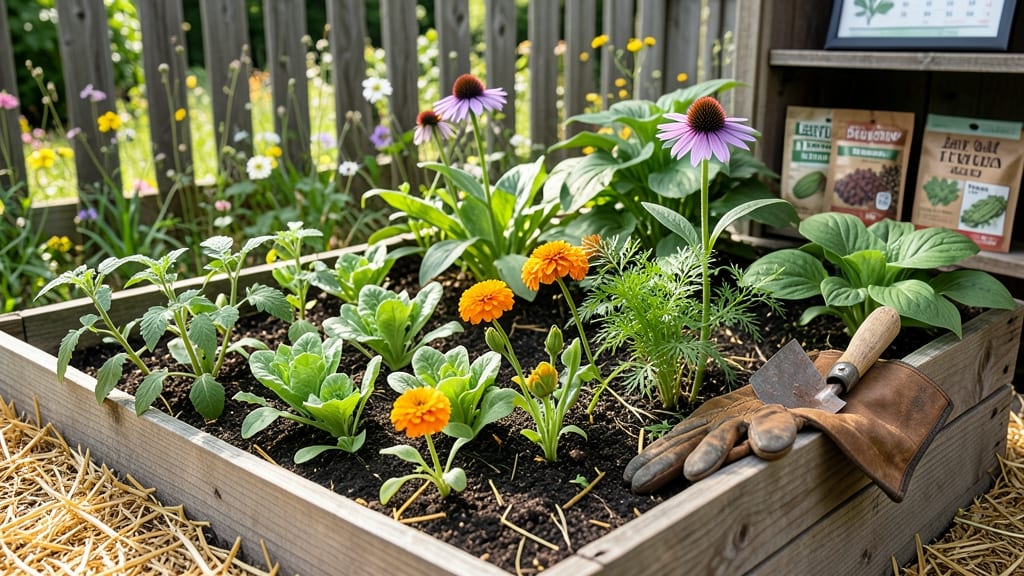
Planting a garden in Michigan at the right time means the difference between a bumper crop and a sad, frost-nipped disappointment.
If you’ve ever rushed to get seeds in the ground only to wake up to a surprise frost the next morning, you know how quickly things can go wrong.
Michigan’s 5b-6b growing zones and shifting frost dates make timing everything—but with the right strategy, you can turn that uncertainty into a predictable harvest.
Cool-season crops like lettuce and peas thrive when planted 3–4 weeks before your last frost, while tomatoes and peppers need to wait until two weeks after the danger has passed.
The Upper Peninsula’s shorter season demands even more precision, but with a few simple adjustments, you can stretch your growing window and maximize yields.
In this guide, I’ll break down the exact planting windows for Michigan’s most popular 🌱 garden vegetables, share region-specific frost date averages, and reveal the tricks to extend your season—so you can finally stop guessing and start growing.
Michigan’s frost dates by region: when to start planting cool-season vs warm-season crops
Michigan’s frost dates vary dramatically across its three main regions—Upper Peninsula, Northern Lower Peninsula, and Southern Lower Peninsula—which means your planting timeline should too. Understanding these regional differences helps you avoid frost damage while maximizing your garden’s potential.
For example, Southern Michigan enjoys 10–14 more frost-free days than the Upper Peninsula, giving gardeners a longer growing window.
Cool-season crops like lettuce and peas thrive in Michigan’s early spring and fall, while warm-season favorites such as tomatoes and peppers need to wait until after the last frost date.
Missing these windows can mean stunted growth or total crop failure. Let’s break down the average frost dates by region so you can plan your garden like a pro.
| Region | Last Spring Frost | First Fall Frost | Frost-Free Days | Cool-Season Planting | Warm-Season Planting |
|---|---|---|---|---|---|
| Upper Peninsula | May 10–20 | September 20–30 | 120–130 days | March 15–April 15 | May 25–June 5 |
| Northern Lower Peninsula | April 25–May 5 | September 25–October 5 | 140–150 days | March 1–April 1 | May 10–20 |
| Southern Lower Peninsula | April 10–20 | October 10–20 | 150–160 days | March 15–April 15 | April 25–May 10 |
In the Upper Peninsula, where frosts linger later into spring, cool-season crops like kale and spinach can be planted as early as mid-March. However, warm-season crops like tomatoes shouldn’t go in until late May to avoid frost damage.
This region’s shorter growing season means gardeners should prioritize fast-maturing varieties or use row covers to extend the season.
Gardeners in the Northern Lower Peninsula have a slightly longer window, with last frost dates typically landing in early May. This gives you flexibility to plant cool-season crops like peas and radishes in early March and warm-season crops like peppers after May 10.
If you’re eager to start early, consider cold frames to protect tender seedlings from unexpected frosts.
The Southern Lower Peninsula is the most forgiving, with last frost dates as early as mid-April in some areas. This means you can plant warm-season crops like cucumbers and squash by late April.
For fall planting, aim to get cool-season crops like broccoli and carrots in the ground by early September to ensure a harvest before the first frost in October.
For cool-season crops, I recommend starting seeds indoors 4–6 weeks before your region’s last frost date.
For example, in the Upper Peninsula, begin sowing lettuce indoors in early April, while Southern Michigan gardeners can direct-sow outdoors in late March. Warm-season crops like tomatoes and peppers need a head start too—plant them indoors 6–8 weeks before your last frost and transplant after the danger of frost has passed.
Pro tip: Use frost-sensitive varieties like ‘Early Girl’ tomatoes or ‘Sweet 100’ peppers in colder regions to ensure a harvest before the first frost. In warmer areas, you can even try successive plantings of bush beans every 2 weeks for a continuous harvest. Always check local frost date
Step-by-step planting timeline: when to sow seeds vs transplant starts in Michigan
Michigan gardeners know timing is everything—especially when balancing direct-sown seeds like carrots and beans with transplant starts such as tomatoes and peppers. The key lies in understanding your last frost date (typically May 10–20 in most regions) and adjusting for cold-hardy vs heat-loving crops.
I’ve broken this down into a clear timeline to help you maximize your harvest without frost damage.
Start with cool-season crops like spinach and peas as early as mid-March under row covers, while warm-season transplants (tomatoes, peppers) need to wait until 2 weeks after last frost.
Succession planting—sowing lettuce or radishes every 2 weeks—keeps your garden productive all season. Let’s dive into the exact steps to follow.
🌱 Michigan Planting Timeline
- 1 March–Early April: Start cool-season seeds indoors (broccoli, cabbage) or sow peas and spinach directly outdoors under row covers.
- 2 Late April: Direct-sow carrots, beets, and lettuce outdoors. Harden off transplant starts (tomatoes, peppers) if started indoors in February–March.
- 3 Mid-May (after last frost): Transplant tomatoes, peppers, and eggplants outdoors. Direct-sow beans, cucumbers, and squash once soil is 60°F+.
- 4 June–July: Begin succession planting for bush beans, lettuce, and radishes every 2 weeks to extend harvest. Sow fall crops (kale, Brussels sprouts) in late July.
- 5 August: Direct-sow cool-season crops (spinach, arugula) for fall harvest. Transplant broccoli and cabbage if soil is still warm.
For heat-loving crops like tomatoes and peppers, timing is critical—they won’t tolerate frost and need warm soil to thrive. If your spring is slow to warm, use black plastic mulch to raise soil temperatures faster.
I’ve also found that succession planting bush beans every 2 weeks in June and July ensures a steady supply all summer.
Don’t forget fall planting! Kale, spinach, and carrots thrive in cool September weather and can be sown as late as mid-August for a harvest before frost. Use row covers to extend the season even further.
With this timeline, you’ll avoid the common mistake of planting too early or too late—both of which can ruin your harvest.
Pro tip: Keep a gardening journal to track your local frost dates and adjust future years. Michigan’s climate varies 10–14 days between the Upper Peninsula and Southern Lower Peninsula, so note what works best in your zone. Happy planting!