
Tools
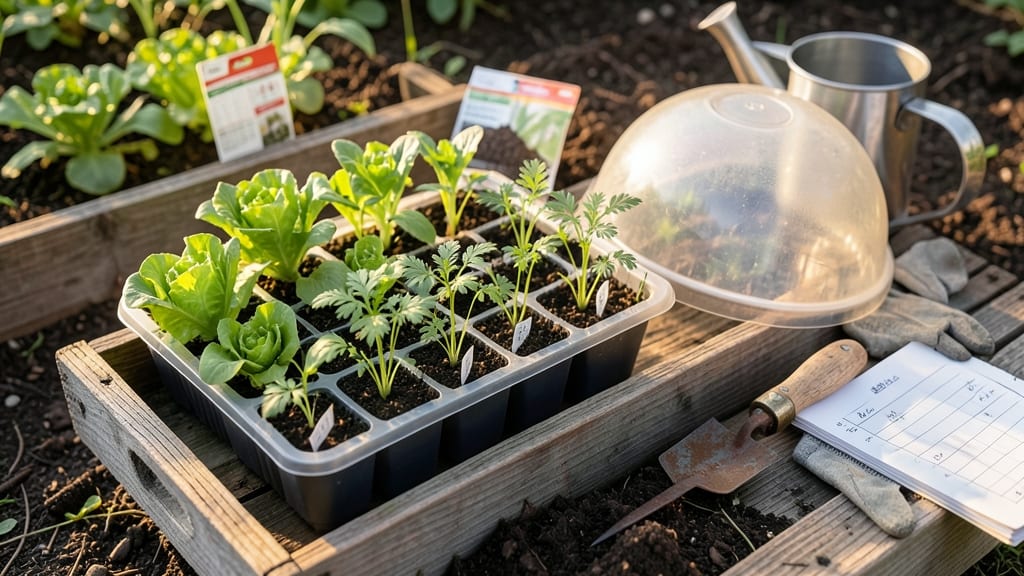
Starting a vegetable garden at the right time means the difference between a thriving 🥬 harvest and a season of disappointment, and the key depends on soil warmth, frost risks, and plant hardiness.
Picture this: you’ve cleared the plot, ordered seeds, and even marked the rows—only to watch your seedlings wilt under a surprise frost or bolt into flower because the days got too long.
That’s why timing isn’t just about the calendar; it’s about understanding when your soil is ready and when the last frost will pass.
In USDA Zone 6a, early spring (March–April) is your best bet for cool-season crops like lettuce and peas, while warm-season favorites like tomatoes need to wait until after April 15—or risk stunted growth.
But regional tweaks matter: coastal areas warm faster than inland spots, and high-altitude gardens face different rules entirely.
Below, I’ll break down the science of soil temperature, frost-free dates by zone, and 5 pro tips to extend your growing season—so you can finally get the harvest you’ve been dreaming of.
How soil temperature determines your planting window
Soil temperature isn't just a number—it's the secret handshake between your seeds and their successful germination. Cool-season crops like spinach and peas thrive when soil reaches 50°F (10°C), while warm-season powerhouses such as tomatoes and peppers demand 60°F (15.5°C) or warmer.
Planting too early in cold soil stalls growth, leaving seedlings vulnerable to rot or pests. Understanding these thresholds helps you align your planting schedule with nature's rhythm.
Regional variations make soil temperature even more critical. In Zone 5, you might wait until mid-May for warm-season crops, while Zone 9 gardeners can start as early as February.
High-altitude areas often have cooler soils, requiring adjustments of 1-2 weeks later than lowland neighbors. Even within your backyard, south-facing beds warm faster than north-facing ones—so plan accordingly.
Testing soil temperature is simpler than you think. Use a soil thermometer (just $10 at garden centers) and check it 1 inch deep in the morning. For direct-sown seeds, this is your golden metric.
If the thermometer reads below 50°F (10°C) for cool crops or 60°F (15.5°C) for warm ones, wait. Patience here prevents wasted effort and stunted seedlings that never recover.
Here’s a quick rule of thumb: Cool-season crops (like lettuce, kale, and carrots) can handle 40-50°F (4-10°C) soils, while warm-season crops (tomatoes, peppers, cucumbers) need 60-70°F (15.5-21°C). Root vegetables like beets and radishes are forgiving, but fruiting plants (tomatoes, peppers) will languish if soil stays too cool.
Use black plastic mulch or straw blankets to warm soil faster in spring.
| Crop Type | Ideal Soil Temp (°F) | Planting Window | Notes |
|---|---|---|---|
| Cool-Season Crops | 50-60°F (10-15.5°C) | Early spring (March-April) or fall (Aug-Sept) | Lettuce, spinach, peas, carrots |
| Warm-Season Crops | 60-70°F (15.5-21°C) | After last frost (May-June) | Tomatoes, peppers, cucumbers |
| Root Vegetables | 55-65°F (13-18°C) | Spring or fall (avoid summer heat) | Beets, radishes, potatoes |
| Herbs | 55-70°F (13-21°C) | Spring or late summer | Basil, cilantro, parsley |
Don’t let last frost dates fool you—soil temperature is the real deadline. In my Zone 6 garden, I’ve seen May 10 frost followed by 65°F soil by May 15. That’s when I plant tomatoes, even if the calendar says "spring."
Use a 3-day average of soil temps to confirm readiness. For example, if your soil hits 60°F (15.5°C) for three mornings in a row, it’s time to sow those pepper seeds.
If you’re in doubt, start seeds indoors 4-6 weeks before your target soil temp arrives. This gives seedlings a head start and lets you transplant hardened-off plants when conditions are perfect.
For direct sowing, wait until soil is consistently warm—even if it means delaying by a week. Rushing leads to leggy seedlings or worse, damping-off disease from cold, wet soil.
Pro tip: Black plastic mulch can raise soil temps by 5-10°F in just days. Lay it down 1-2 weeks before planting warm-season crops to jumpstart germination. In my garden, this sh
Frost-free dates by climate Zone: a state-by-state guide
Understanding your local frost-free dates is the key to unlocking a successful vegetable garden. These dates mark the last expected frost in spring and first frost in fall, dictating when to plant warm-season crops like tomatoes and peppers versus cool-season crops like lettuce and spinach.
High-altitude areas often face earlier frosts, so adjustments are crucial for accurate timing.
Most gardeners follow USDA hardiness zones, but even within the same zone, frost dates can vary by hundreds of miles. For example, Zone 5 in Minnesota may have a last frost date of May 15, while Zone 5 in Pennsylvania could see frost-free conditions by April 20.
Always check local weather records for the most precise data.
Below is a simplified state-by-state guide for common USDA zones, including spring planting windows and fall planting adjustments. For high-altitude areas (e.g., mountainous regions), subtract 1-2 weeks from these dates, as cooler temperatures delay soil warming.
For high-altitude gardens, such as those in Colorado or the Appalachians, frost dates can arrive 2-4 weeks earlier than coastal areas in the same zone.
For example, Denver (Zone 5) often sees its last frost around May 15, while nearby mountainous regions may not reach frost-free conditions until June 1. Always monitor local microclimates—valleys, urban heat islands, and bodies of water can create unique frost patterns.
When planning your fall garden, aim to sow cool-season crops like kale or carrots 6-8 weeks before your first frost date. This ensures they mature before cold sets in.
In Zone 7, for instance, planting by August 15 gives most greens time to harvest before October 15. For warm-season crops, like peppers, start seeds indoors 8-10 weeks before your last frost date to ensure they’re ready for transplanting.
Pro tip: Use frost-sensitive plants, like basil or cucumbers, as a frost indicator. If they