
Planting
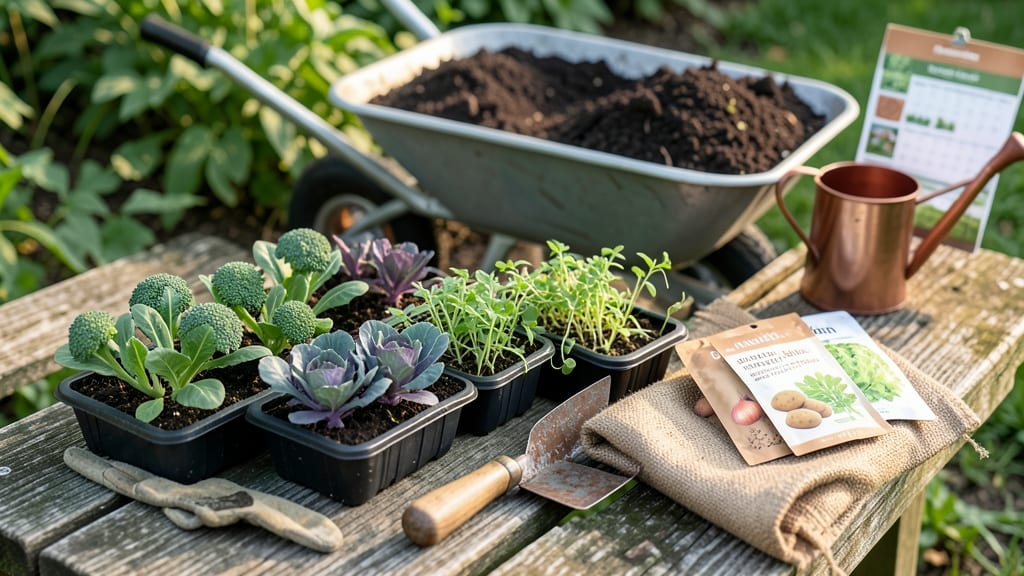
The best time to plant a garden in Ohio depends on your crop and region—spring brings frost risks, while fall offers a second chance for hearty greens.
Ohio’s unpredictable spring weather can turn a gardener’s excitement into frustration—planting too early risks frost damage, while waiting too long shortens your growing season. But timing your garden perfectly isn’t guesswork: it’s about understanding Ohio’s frost-free zones and matching them to your crops.
For cool-season plants like lettuce and peas, start seeds indoors by late February or sow directly in early March, when soil temperatures hit 40°F.
Warm-season favorites like tomatoes and peppers, however, need to wait until after your last frost date—typically mid-April to late May, depending on your USDA Zone 5-6 location.
Below, I break down Ohio’s frost-free windows by crop, share 5 proven techniques to extend your season, and link you to a month-by-month planting schedule tailored to Ohio’s climate. Ready to grow?
Ohio’s frost-free dates by region: when to plant cool vs warm season crops
Ohio’s frost-free dates vary dramatically by region, creating a challenge for gardeners who want to maximize their growing season.
In the northwest and northeast (like Cleveland and Toledo), the last frost typically arrives around April 15–20, while the southeast (Columbus, Cincinnati) and southwest (Dayton, Lexington) can see frost-free conditions as early as mid-April.
These differences mean your tomato seedlings might be ready to plant in May in northern Ohio but could go in by late April in the south.
Understanding these USDA Zone 5-6 variations is key to avoiding frost damage while ensuring your warm-season crops like peppers and cucumbers have enough time to mature.
For example, lettuce and spinach (cool-season crops) can often be planted 4–6 weeks before your region’s last frost, while tomatoes and beans need to wait until after the frost-free date—and ideally, until soil temperatures reach 60°F.
Here’s how Ohio’s four regions stack up in terms of last frost dates, along with the best planting windows for your favorite crops:
| Region | Last Frost Date | Cool-Season Crops (Plant Before) | Warm-Season Crops (Plant After) | Microclimate Tip |
|---|---|---|---|---|
| Northwest (Toledo, Lima) | April 20–May 5 | March 15–April 1 (spinach, peas, kale) | May 10–June 1 (tomatoes, peppers, cucumbers) | Use row covers to extend spring planting. |
| Northeast (Cleveland, Akron) | April 15–25 | March 1–March 30 (lettuce, carrots, onions) | May 1–May 15 (beans, squash, basil) | South-facing slopes warm up faster—ideal for early planting. |
| Southeast (Columbus, Cincinnati) | April 10–April 20 | February 20–March 15 (radishes, broccoli, cabbage) | April 20–May 10 (eggplant, melons, okra) | Urban areas may have heat islands—monitor soil temps. |
| Southwest (Dayton, Lexington) | April 5–April 15 | February 1–March 10 (peas, spinach, garlic) | April 15–April 30 (tomatoes, peppers, corn) | Low-lying areas may frost later—plant warm crops on hills. |
If you’re planting warm-season crops like tomatoes or peppers, wait until soil temperatures reach 60°F—even if the air feels warm. Use a soil thermometer to check, especially in northern Ohio, where cooler soils can delay planting.
For cool-season crops, start seeds indoors 4–6 weeks before your last frost date to get a head start.
Ohio’s first frost typically arrives between October 10–20, depending on the region, so plan your fall planting accordingly. Crops like kale, carrots, and radishes can often be sown in early September for a late-fall harvest.
Meanwhile, perennials and winter-hardy herbs (like thyme and rosemary) can be planted in early fall to establish roots before winter.
Don’t let Ohio’s unpredictable spring weather throw off your planting schedule. By aligning your crop selection with your region’s frost-free dates—and adjusting for microclimates—you’ll maximize your garden’s potential.
For example, if you live near a large body of water, your last frost might come 1–2 weeks later than inland areas. Always keep an eye on local weather forecasts and be ready to protect tender plants with frost cloth if needed
Best planting schedule for Ohio gardens: month-by-month crop timeline
Ohio’s frost-free window typically runs from mid-April to October, but your exact planting schedule depends on the crop. Cool-season vegetables like spinach and peas thrive when soil temperatures hover around 40-50°F, while warm-season crops like tomatoes and cucumbers need soil at 60°F+.
Here’s my month-by-month guide to maximize your Ohio harvest.
Use this frost-date rule: Wait until after the average last frost date (usually April 15 in most of Ohio) before planting warm-season crops. For cool-season crops, start seeds indoors in March or sow directly in early April for a head start.
My Ohio garden has seen success with staggered planting—just be ready to cover young plants if frost sneaks back.
| Month | Crop Type | Specific Plants | Planting Method | Notes |
|---|---|---|---|---|
| March | Cool-Season | Spinach, Peas, Onions, Lettuce | Direct Sow or Start Indoors | Use row covers for frost protection |
| April | Cool-Season + Hardy Warm-Season | Carrots, Radishes, Kale, Potatoes, Peppers (after last frost) | Direct Sow or Transplant | Wait until soil is 50°F+ for warm crops |
| May | Warm-Season | Tomatoes, Cucumbers, Beans, Corn, Basil | Transplant or Direct Sow | Mulch to retain moisture |
| June-July | Succession Planting | Beets, Lettuce, Bush Beans, Zucchini | Sow Every 2-3 Weeks | Extend harvest into fall |
| August | Fall Crops | Kale, Carrots, Radishes, Spinach, Garlic | Direct Sow or Transplant | Use black plastic mulch to warm soil |
For May-June, focus on warm-season crops like tomatoes and cucumbers, which need consistent warmth. I’ve found that staking tomatoes early prevents disease and improves air circulation. If Ohio’s heatwaves hit (common in July), provide afternoon shade for delicate plants like lettuce or spinach to avoid bolting.
Don’t overlook July-August for succession planting. Sow radishes every 2 weeks for continuous harvests, and plant kale in late summer to overwinter. My Ohio garden thrives with this strategy—even in drought years, deep watering 2-3 times per week keeps roots hydrated.
Mulch heavily to retain moisture and suppress weeds.
Pro tip: Use row covers in early spring or late fall to extend your growing season by 2-4 weeks. I’ve successfully grown spinach in October with lightweight fabric, and peas in March under protection.
Always check soil temperature with a thermometer—it’s the best predictor of planting success in Ohio’s variable climate.
Plan for fall harvests by sowing garlic in October for next year’s crop. Store extra produce in a cool, dark place (like a root cellar) to enjoy homegrown flavors through winter. With this schedule, my Ohio garden delivers fresh produce from April through November—no grocery store needed!