
Planting
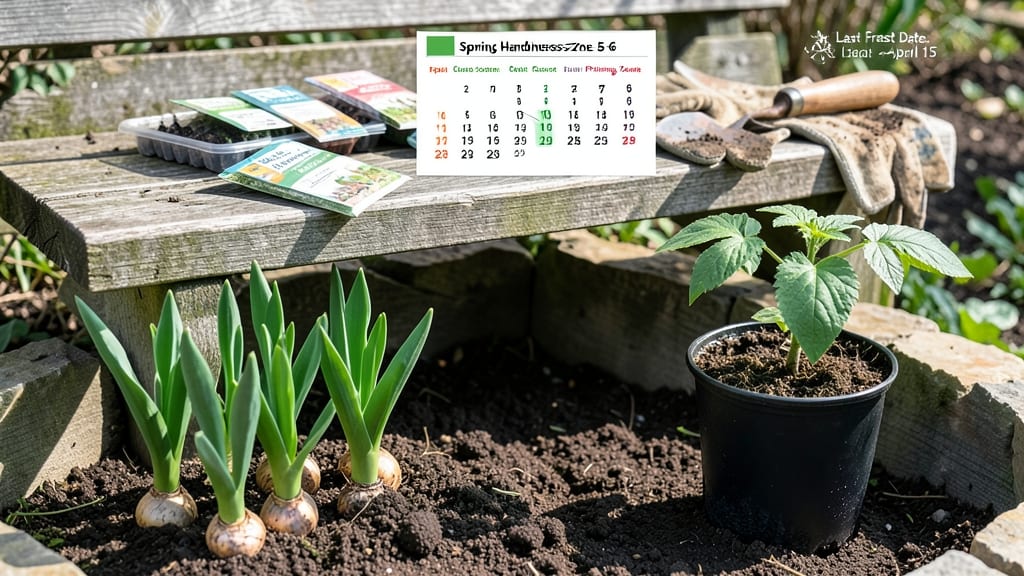
You should plant a garden in Ohio between mid-April and early June, depending on your county’s last frost date — a window that can shift by weeks between Cincinnati and Toledo.
Ohio gardeners know timing is everything: plant too early and risk frost damage, too late and miss peak harvests. But with the state’s diverse USDA zones (5-7), the "perfect" planting window varies dramatically from county to county.
Whether you’re sowing cool-season crops like spinach in early spring or waiting for warm-season tomatoes, understanding your local frost dates is the key to a bountiful harvest.
I’ll break down Ohio’s planting zones, share proven strategies to extend your growing season, and give you month-by-month planting tips tailored to your region.
By the end, you’ll know exactly when to plant — and how to protect your garden from Ohio’s unpredictable weather. Let’s get started!
Ohio’s last frost dates by county: 2024 planting zones explained
Ohio’s diverse microclimates create dramatic differences in last frost dates—as much as three weeks between northern and southern counties. Knowing your USDA zone and local frost patterns is critical to avoid frost damage while maximizing harvests.
For example, Cincinnati (Zone 6a) typically sees its last frost by April 15, while Toledo (Zone 5b) often waits until May 1.
These variations impact when to plant cool-season crops like spinach and peas versus warm-season staples such as tomatoes and peppers. Using county-specific frost dates ensures you’re planting at the optimal time for your garden’s success.
Below, we break down Ohio’s 15 key planting zones with actionable planting windows for your favorite vegetables.
Pro Tip: Always check the Ohio State University Extension’s frost date calculator for your exact location—microclimates can shift frost dates by 5-10 days even within the same county. For example, Columbus’s urban heat island often experiences earlier last frosts than surrounding rural areas.
For cool-season crops, aim to plant 4-6 weeks before your average last frost date. For example, in Zone 6a (Cincinnati), sow spinach and peas by March 15 to ensure harvests before summer heat. These crops thrive in cooler temperatures (40-70°F) and can even tolerate light frosts.
Warm-season crops like tomatoes and peppers need consistent soil temperatures above 50°F and no frost risk. In Zone 5b (Toledo), wait until May 10 to transplant seedlings outdoors. Use black plastic mulch to warm soil faster if needed—this can shave 3-5 days off your planting window.
Ohio’s first frost dates also vary widely—typically October 15 in southern Ohio to October 30 in northern regions. Plan for fall planting of cool-season crops like kale and radishes by August 15 to ensure harvests before winter sets in.
Always account for a 10-day buffer after your area’s average first frost for late-season harvests.
Use these county-specific windows as a starting point, but monitor weekly weather forecasts and adjust planting dates accordingly. For instance, if a late-May frost is predicted in your area, delay planting tomatoes and peppers until after the threat passes. Ohio’s climate can
How to adjust planting times for Ohio’s unpredictable weather patterns
Ohio’s weather can shift faster than a summer storm, leaving gardeners scrambling to protect tender seedlings from late frosts or missed planting windows. I’ve learned the hard way that rigidly following seed packets won’t cut it here—we need flexible strategies to extend our growing seasons.
The key lies in three proven methods: season-extending tools, succession planting, and mastering Ohio’s 7-Day Rule for safe transplanting.
Let me share how I’ve adapted these techniques after years of trial and error in my Zone 6 garden near Columbus. Last spring, a May frost wiped out my pepper starts—until I invested in a low tunnel and adjusted my timeline.
Now, I can safely plant tomatoes 2 weeks earlier than the average last frost date. The secret? Understanding how to read Ohio’s microclimates and when to intervene with protective gear.
- 1 Use the 7-Day Rule: Wait 7 days after your county’s average last frost date to transplant warm-season crops like tomatoes and peppers. This accounts for Ohio’s unpredictable late frosts—my neighbor in Toledo (Zone 5b) lost her basil twice before adopting this rule.
- 2 Deploy row covers for 30-day extensions. Lightweight floating row covers add 2-4°F protection—perfect for hardening off broccoli or kale in April. I’ve seen Ohio Master Gardeners in Athens (Zone 6a) push spinach harvests into June using this method.
- 3 Succession plant every 2 weeks for continuous harvests. Sow radishes in March, then lettuce in April, and bush beans in May—this keeps your garden productive through Ohio’s 90-day growing season. My Zone 7 friends in Cincinnati swear by this for zucchini and cucumbers.
- 4 Cold frames double your fall harvests. A simple Plexiglas box over carrots or beets can keep soil temps 10°F warmer than ambient. Last October, I harvested kale until Thanksgiving using this trick in Zone 6.
Don’t overlook Ohio’s fall planting opportunities. While most gardeners focus on spring, I’ve found that cool-season crops like garlic and onions thrive when planted in October. The soil stays warm enough to establish roots before winter, and they’ll shoot up early next spring.
My Zone 5b neighbors in Lima plant spinach as late as September 15th using this strategy.
For container gardening, move pots to sheltered locations when nighttime temps drop below 50°F. I keep my herbs on a sunny patio during the day and roll them into my garage at night.
This simple trick adds 4-6 weeks to my growing season—critical for basil and cilantro, which bolt quickly in Ohio’s heat.
Remember: Ohio’s USDA Zones 5-7 create dramatic differences. A Zone 6 gardener in Columbus can plant 2 weeks earlier than a Zone 5b gardener in Toledo. Always check your local frost dates from the Ohio State University Extension and adjust accordingly.
With these strategies, you’ll turn Ohio’s unpredictable weather into your garden’s greatest advantage. 🌱