
Fertilization
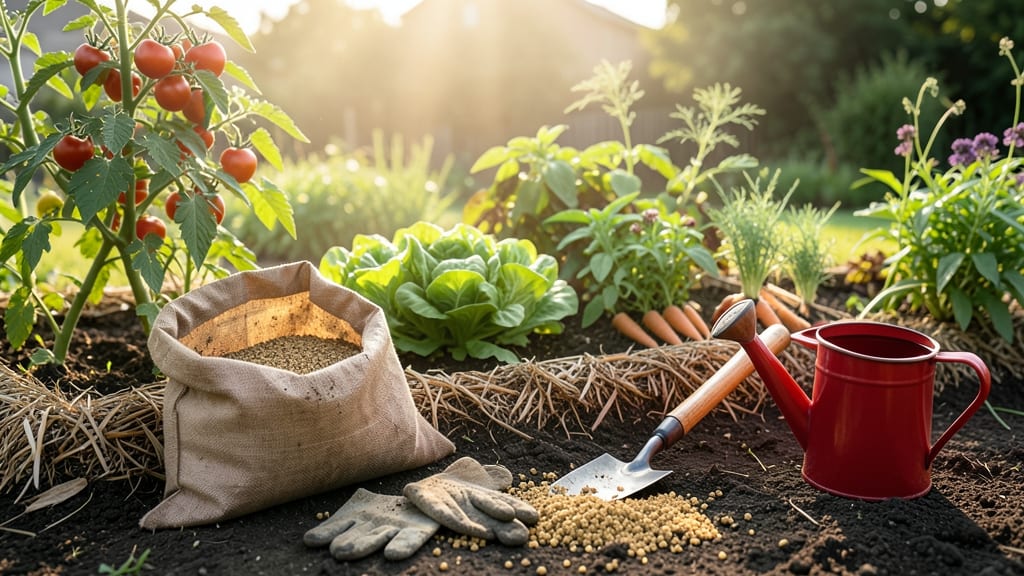
The best time to fertilize your garden isn’t just once a year—it’s a carefully timed rhythm that matches your plants’ growth cycles, from the first spring thaw to the crisp air of fall.
Picture this: You’ve just planted your spring seedlings, the soil is finally warm, and your 🌱 garden is bursting with new life. But if you fertilize too early, you risk burning tender roots; too late, and you miss the critical window for strong root development.
The secret? Aligning your feed with the three key moments when your garden craves nutrients most.
Most gardeners focus only on spring, but fall fertilization—often overlooked—can mean the difference between plants that struggle through winter and ones that bounce back with vigor. And let’s not forget the common myths that lead to over- or under-fertilizing, like the idea that “more is always better.”
In this guide, I’ll walk you through the exact seasonal timing for your garden, whether you’re growing veggies, flowers, or lawns, plus how to read your soil’s signals and choose the right fertilizer for each phase.

Spring fertilization timing: the critical 3-Week window after last frost
Spring is the most critical time to fertilize your garden because it jumpstarts root growth and bloom production after winter dormancy. The 3-week window after last frost is your golden opportunity—miss it, and plants may struggle to establish strong foundations.
This window aligns with soil warming and plant awakening, two key signals that your garden is ready for nutrients.
Timing isn't one-size-fits-all. Northern climates (USDA Zones 3-6) typically wait until soil temperatures reach 50°F—often mid-April to early May—while Southern regions (Zones 7-10) can fertilize as early as February or March when frost risks are minimal.
Understanding these regional differences ensures you don’t waste fertilizer on cold soil or stress tender plants with premature feeding.
| Stage | Action | Soil Temp | Region |
|---|---|---|---|
| After Last Frost | Test soil pH | 45-50°F | All |
| 2 Weeks Post-Frost | Apply organic matter (compost) | 50-55°F | Northern |
| 3 Weeks Post-Frost | Fertilize with balanced NPK | 55-60°F | Southern |
| 4 Weeks Post-Frost | Top-dress perennials | 60°F+ | All |
| Active Growth | Side-dress veggies | 65°F+ | Northern |
Organic fertilizers like compost or worm castings should be worked into the soil 2-4 weeks before planting to allow microbes to break them down. Synthetic fertilizers, however, can be applied right at planting for an immediate nutrient boost.
The key difference? Organic fertilizers improve soil structure over time, while synthetics deliver quick results—but neither works well in cold, compacted soil.
Watch for plant awakening signs like new leaf growth or sprouting bulbs to confirm your timing. In my Zone 6 garden, daffodils pushing through mulch signal it’s safe to fertilize—usually by late April.
If you’re unsure, use a soil thermometer to check depth (2-4 inches). 50°F is your magic number for root activity.
Northern gardeners should prioritize slow-release fertilizers in early spring to prevent nutrient runoff from spring rains. Southern gardeners can use quick-release options like fish emulsion for fast-growing annuals. Always water fertilizers in deeply after application to move nutrients into the root zone—never let them sit on the surface.
Regional adjustments matter. In Zone 7 and warmer, you might fertilize twice in spring—once after last frost and again in early summer. But in Zones 3-5, a single mid-spring feeding is often enough.
Always match your fertilizer type to your plants: high-nitrogen for leafy greens, balanced NPK for flowers, and phosphorus-heavy for root crops.
Overlooking soil temperature can backfire. Fertilizing too early when soil is still cold stresses plants, while waiting too long (beyond 4 weeks post-frost) means lost opportunities for early-season growth.
My tomato plants in containers always get a half-dose of fertilizer at planting and again when flowers appear—this two-step approach prevents blossom end rot while maximizing yield.
Don’t forget about lawns and perennials, which have different needs. Apply slow-release lawn fertilizer in early spring (March-April) and top-dress perennials with compost in May. Mulch after fertilizing to lock in moisture and regulate soil temps—this simple step can double your fertilization effectiveness.
Finally, test your soil every 2-3 years to avoid over-fertilizing. High phosphorus levels (common in older gardens) can harm beneficial microbes. If your soil is already rich, reduce fertilizer by 50% and focus on organic amendments like leaf mold or aged manure instead.
Fall fertilization secrets: why late-season feeding boosts winter hardiness
Most gardeners focus fertilization efforts on spring, but fall is the perfect time to prepare plants for winter dormancy. A well-timed fall feeding helps perennials, lawns, and bulbs store essential nutrients in their roots, ensuring stronger regrowth next spring.
The key is using slow-release fertilizers that won't encourage late-season growth but instead support root development.
In USDA Zone 6a, where first frost typically arrives by late October, I recommend fertilizing between mid-September and early October. This timing allows plants to absorb nutrients before soil temperatures drop below 50°F (10°C), which slows microbial activity and nutrient uptake.
For milder climates (Zones 7-9), extend the window until November.
Here’s the pros-cons breakdown of fall fertilization timing to help you decide what works best for your garden:
⏰ Fall Fertilization Timing Guide
✅ Pros of Fall Fertilizing
- Stronger roots for next year’s growth
- Reduced winter stress in perennials
- Greener lawns after dormancy
- Better bulb blooms in spring
❌ Cons of Fall Fertilizing
- Late growth if fertilized too late
- Wasted nutrients in cold soil
- Risk of burn if over-applied
- Limited benefit for annuals (they die anyway)
Pro Tip: Use a low-nitrogen fertilizer (e.g., 5-10-10) to avoid encouraging tender new growth before winter.
For perennials like hostas and daylilies, I apply a slow-release granular fertilizer in early fall, followed by a 2-inch layer of mulch to insulate roots. Lawns benefit from a fall lawn fertilizer rich in potassium to strengthen grass blades against winter dieback.
Even spring-blooming bulbs (like daffodils) need a light feeding in fall to build energy reserves for their spring show.
If you live in a mild-winter region (Zones 8-10), you can fertilize as late as December, but avoid it entirely if frost is imminent. In colder zones (Zones 3-5), stick to September fertilization and avoid late-season applications that could damage tender new growth before hard frost sets in.
One of my favorite fall fertilization hacks is mixing composted manure or worm castings into the soil before the first frost. These organic amendments improve soil structure and provide a steady release of nutrients as microbes break them down over winter.
Just be sure to water thoroughly after applying to help nutrients penetrate the soil.
Remember, fall fertilization isn’t about encouraging rapid growth—it’s about preparing your plants for survival. A little late-season care now means healthier, more resilient gardens when spring rolls around. Start small, observe your plants’ responses, and adjust your timing each year based on your local climate. 🌿